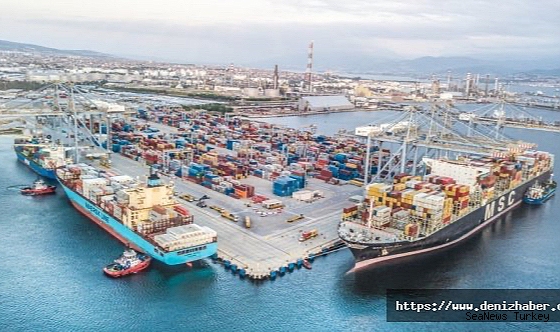
In 2025, rising transatlantic shipping capacity keeps rates stable despite fluctuating demand, reports New York's Journal of Commerce.
In 2025, container lines expanded their fleets on the transatlantic route, leading to capacity that exceeds market demand and limiting carriers' ability to raise rates, according to New York's Journal of Commerce.
US importers frontloaded cargo in anticipation of potential 30 percent tariffs on EU goods, resulting in a surge in March, with imports from Northern Europe peaking at 219,560 TEU—a 14.3 percent year-on-year increase. However, volumes slowed after a July trade deal capped tariffs at 15 percent, leading to a growth rate of only 2.5 percent through November.
Carriers have increased capacity by deploying larger vessels. Mediterranean Shipping Co (MSC) extended its Asia-Mediterranean Dragon service to the transatlantic route, utilizing ships averaging 13,000 TEU, compared to the previous maximum of 9,600 TEU. The average ship size on the route rose to 6,200 TEU in the third quarter, up from 5,500 TEU at the beginning of the year.
Spot rates from Northern Europe to the US East Coast have remained stagnant at $1,400 per FEU since November, down from $2,000 in March. Carriers are planning record deployments of 435,000 TEU in January and 390,000 TEU in February, according to data from Copenhagen's eeSea.
EU member states have been slow to approve the new trade agreement, citing concerns that it favors the US. Analysts warn that congestion from resumed Suez Canal transits could spill over into European ports, disrupting transatlantic flows. Importers are advised to build inventories to mitigate potential risks.