
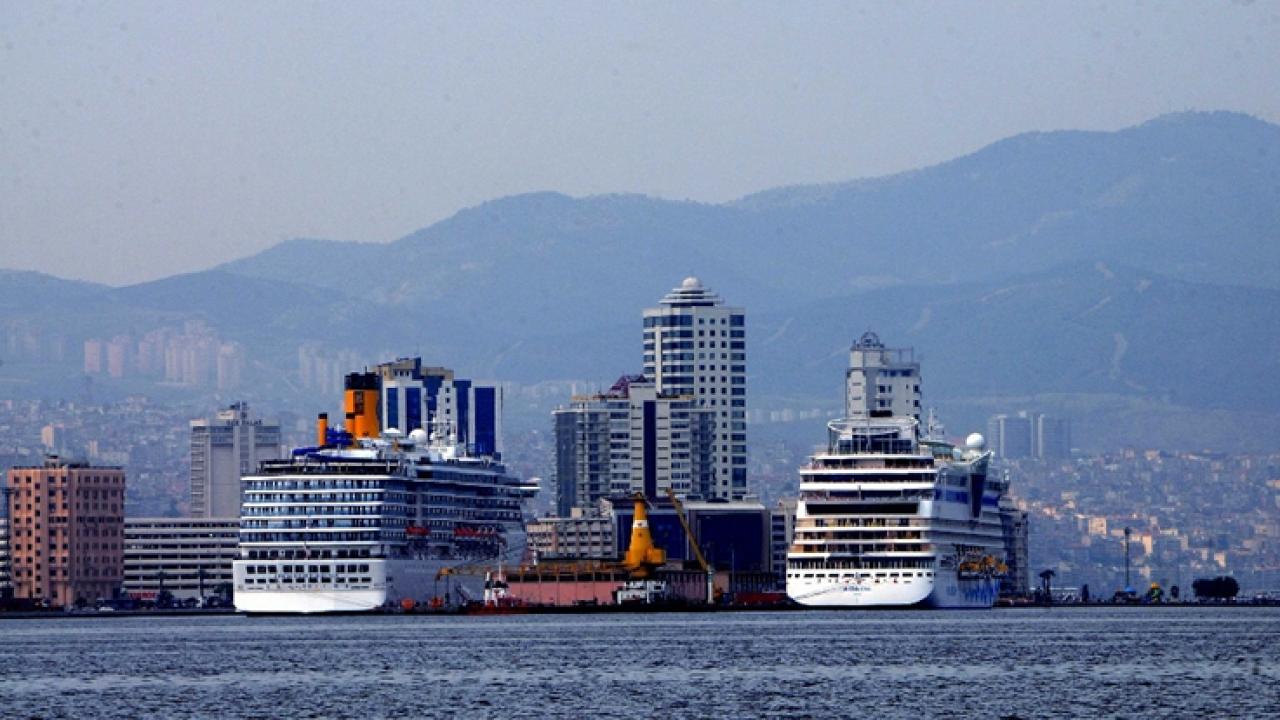
Tourism leaders in Izmir advocate for Alsancak Port to prioritize cruise and passenger transport to alleviate traffic and environmental issues.
Izmir tourism representatives have raised concerns about the traffic and environmental issues stemming from heavy cargo transportation in the city center. They are advocating for Alsancak Port to focus exclusively on cruise and passenger transportation, a sentiment that has garnered support from local government officials.
Discussions regarding the future of Izmir's Alsancak Port have resurfaced, with tourism sector representatives arguing that heavy cargo operations contribute to traffic congestion, environmental pollution, and a decline in the quality of life in the city center. They propose relocating cargo operations to ports in Aliağa and its surroundings, allowing Alsancak Port to be designated solely for cruise and passenger services.
Mehmet İşler, President of the Aegean Union of Tourist Enterprises and Accommodations (ETİK), emphasized that the current structure of Alsancak Port does not align with Izmir's tourism vision. He stated, “Alsancak Port is in an extremely valuable position for cruise tourism. Relieving it of cargo pressure will enhance Izmir's brand value and tourism revenues.”
Tourism professionals highlighted that increasing the number of tourists arriving in the city via cruise ships would directly benefit the local economy, particularly supporting local businesses and the service sector. They noted that focusing the port on passenger transportation would also significantly improve the city's aesthetics and promote environmental sustainability.
Meanwhile, Izmir Metropolitan Mayor Cemil Tugay expressed his support for transforming Alsancak Port from a cargo port to a passenger port. He stated that reducing heavy transport traffic in the city center would elevate the quality of life in Izmir.
However, some voices in the discussion caution against the complete removal of cargo operations, citing the commercial and strategic importance of Alsancak Port. They argue that the economic impacts of such a shift should be carefully assessed. The debate is expected to gain clarity through upcoming discussions among central authorities, local governments, and sector representatives.
Source: www.denizhaber.com


