The 2026 return to Red Sea routes may alter maritime ton-mile demand and freight rates, driven by security and geopolitical factors.
In 2026, the anticipated return to Red Sea and Suez Canal routes is expected to significantly impact the supply-demand balance in the maritime transport market, particularly concerning ton-miles. Industry assessments indicate that if these routes normalize, especially in container and tanker shipping, notable changes in market dynamics could occur.
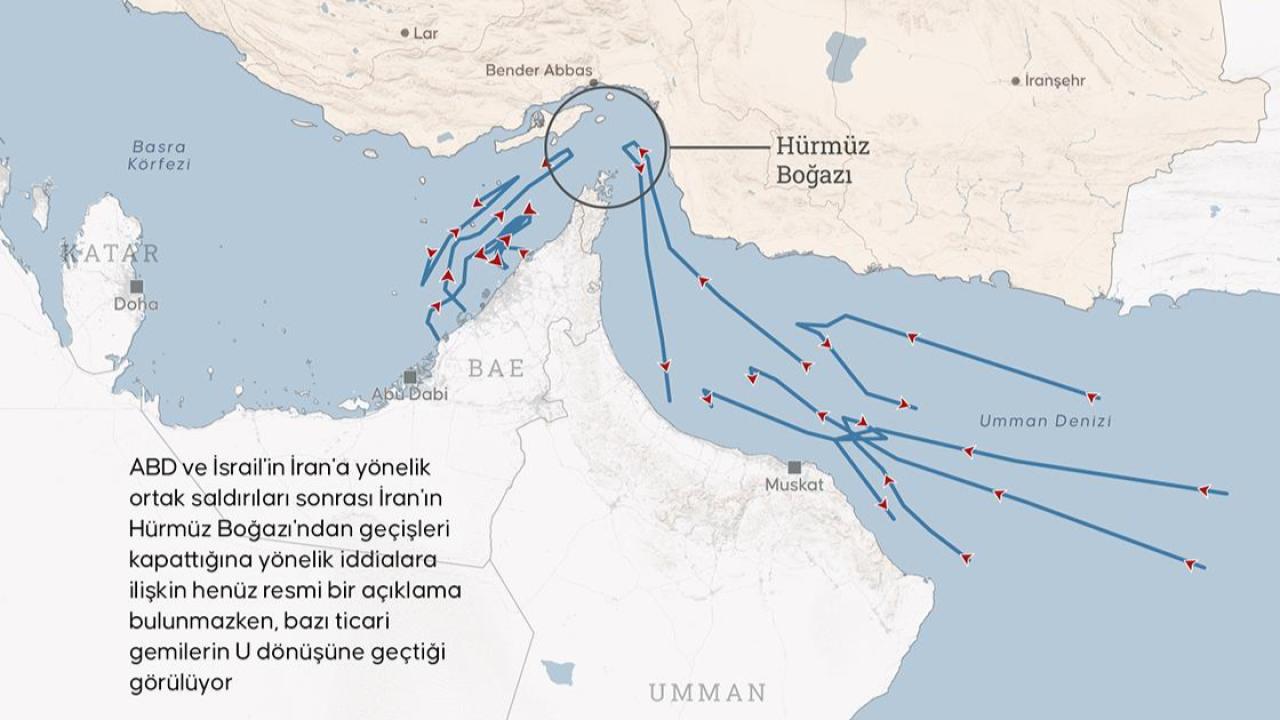
Currently, long routes from southern Africa, necessitated by security concerns, have increased the distance traveled per vessel, thereby raising ton-mile demand and supporting freight rates. However, a return to the Red Sea route could lead to a decline in global ton-mile demand due to reduced transportation distances.
Experts suggest that this development may effectively increase fleet supply. The ability for vessels to make more trips in a shorter timeframe could exert downward pressure on freight rates, particularly in the container shipping sector.
Additionally, the normalization of routes is expected to reshape market balances in the tanker and bulk cargo segments. Nonetheless, the speed and extent of these potential returns will largely depend on the prevailing security conditions and geopolitical developments in the region.
Industry representatives emphasize that 2026 will be a critical year for monitoring the relationship between route risks and the supply-demand balance in maritime markets.
Source: www.denizhaber.com