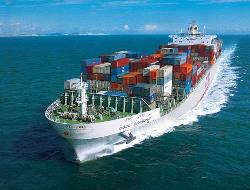
Maersk may return to the Red Sea route if safety improves, as CEO emphasizes cautious approach amid ongoing US-Iran negotiations.
Maersk is considering a potential return to the Red Sea and Suez Canal route if the Middle East war ends, but its chief executive stressed that safety concerns remain paramount, reports New York's Journal of Commerce.
Red Sea transits were halted in late February when US and Israeli forces attacked Iran, just as carriers were resuming limited voyages after Houthi attacks had eased under a fragile ceasefire. Tehran is now reviewing a US peace plan, raising hopes for renewed safe passage.
Maersk CEO Vincent Clerc told analysts during the company's first-quarter earnings call that the carrier is assessing conditions but will take a cautious approach. He stated that seafarer safety is the 'first priority' and acknowledged that Maersk applies a stricter threshold than some competitors.
Clerc appeared to reference CMA CGM, which has continued Red Sea transits. Its 23,876-TEU Grand Palais sailed safely through Bab el-Mandeb and the Suez Canal last week, but another CMA CGM vessel, the San Antonio, was struck by a projectile off Oman, injuring crew members.
Mr. Clerc indicated that any Maersk return would be gradual due to limited naval escort capacity. 'For it to be a full return, we would need to feel comfortable with the safety and security assessment that we could sail without any monitoring,' he said.
Sailing via the Red Sea is far shorter than detours around southern Africa. Sea-Intelligence Maritime Analysis reported that the longer route adds 31 percent to Asia-North Europe transit times and more than 60 percent to east Mediterranean destinations, increasing fuel use by up to 40 percent.
Bunker prices remain elevated. Ship & Bunker assessed Singapore fuel at US$816 per tonne on May 7, down from March highs but still 60 percent above prewar levels. Mr. Clerc noted that a Red Sea reopening would save fuel and release capacity, allowing carriers to slow ship speeds and ease rate pressures.