
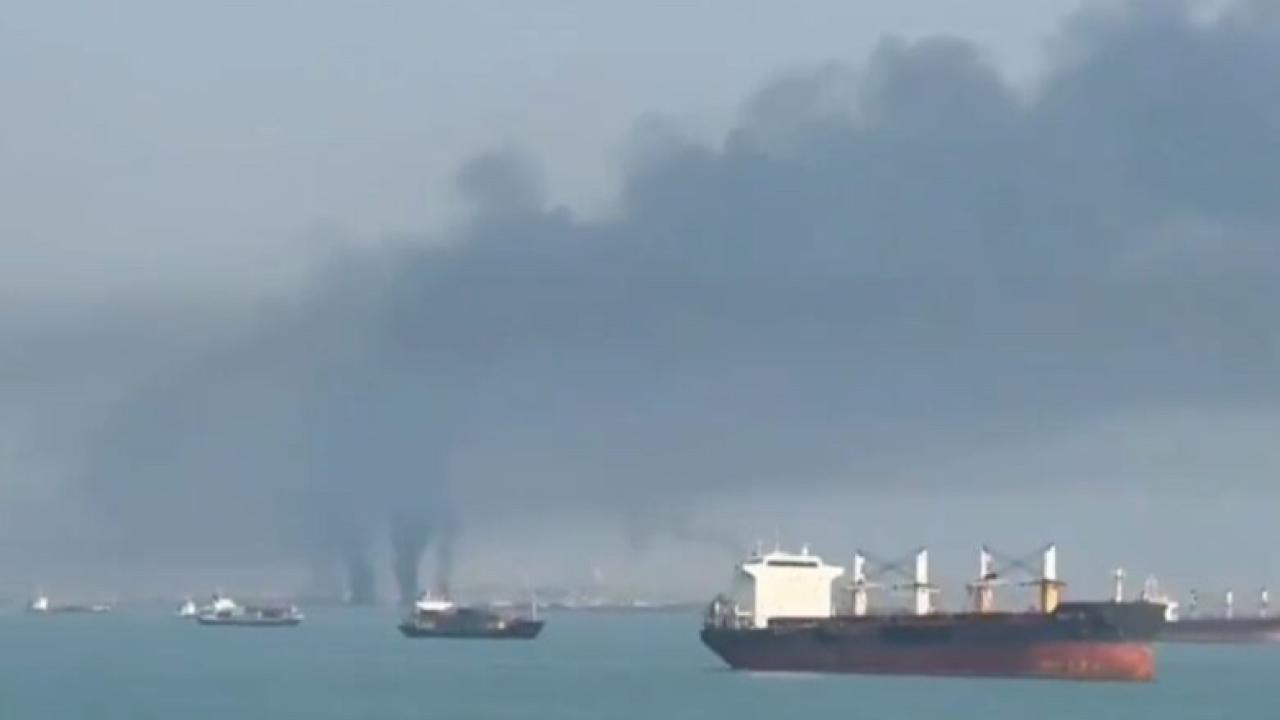
The Iran-US-Israel conflict has driven oil prices above $115, reshaping maritime markets and causing historic freight rate spikes.
The conflict between Iran and the US-Israel coalition, now entering its 10th day, has led to sharp fluctuations in global energy and maritime markets. Oil prices recorded one of the largest daily increases since 1988 in early trading, while spot tanker freight rates reached historic highs.
The Clarksea Index, which covers all commercial shipping sectors according to Clarksons Research, rose to an all-time high of $53,319 per day on Friday. This marked only the third time in the index's history that it surpassed the $50,000 mark. The previous two records were observed during the peak of the 2007-2008 global shipping boom. This level is significantly above the recorded average of $26,836 throughout 2025.
In its weekly report, Clarksons stated, 'Despite the significant operational risk and stress environment, the shipping markets are currently seeing positive effects from the disruption.'
Oil prices rose above $115 per barrel on Monday for the first time since 2022. Major energy facilities in the Middle East declared force majeure due to increasing risks. Among these facilities are Bahrain's oil company BABCO, Kuwaiti ports, and Qatar's Ras Laffan Port.
Extraordinary figures were also observed in the tanker market. The 16-year-old Kalamos VLCC tanker, part of the Embiricos fleet, was chartered by Indian energy giant Bharat Petroleum for a record-breaking daily rate of $770,000.
However, analysts indicate that these high freight rates may not be sustainable if the Strait of Hormuz remains closed for an extended period. According to Clarksons data, a decline in transaction volumes could create pressure on the market, and VLCC spot prices on the Baltic Exchange began to show signs of decline towards the end of last week.
Tanker broker Poten & Partners emphasized that the current situation around Hormuz cannot continue for long.
The report stated, 'Eventually, tankers waiting in the region will leave to seek work in other markets. Middle Eastern producers may have to cut production, and the decline in global oil flows will reduce ton-mile demand, pulling freight rates down.'
Maritime analysts from Scandinavian bank SEB also predict that if the Gulf remains effectively closed, a significant number of open vessels may head to the Atlantic market, creating an oversupply that could lower freight rates.
The conflicts in the region have also led to casualties in the maritime sector. A tugboat assisting the attacked Safeen Prestige container ship was targeted on Friday, resulting in the deaths of at least four crew members.
International Maritime Organization (IMO) Secretary-General Arsenio Dominguez reiterated the call for seafarers and commercial vessels not to be targeted.
Dominguez stated, 'This is unacceptable and unsustainable. All parties must protect the safety of seafarers and the freedom of navigation in accordance with international law.'
One of the main reasons for the slowdown in trade in the region is the excessive rise in the cost of war risk insurance. The US government has taken action to alleviate this issue.
The US International Development Finance Corporation (DFC) has launched a $20 billion reinsurance program covering war and political risks. Under the program announced by DFC President Ben Black and US Treasury Secretary Scott Bessent, loss insurance of up to $20 billion will be available for eligible vessels.
The implementation of the program will be conducted in coordination with the US Central Command (CENTCOM). US President Donald Trump also stated that military escorts could be provided to commercial vessels if necessary.
Source: SeaNews Türkiye


