The Iran war's impact on the Strait of Hormuz disrupts bunker fuel supplies, raising costs and threatening global shipping and supply chains.
The closure of the Strait of Hormuz during the US-Iran war has disrupted supplies of bunker fuel, raising costs and threatening supply chains, reports the Associated Press.
Bunker fuel shortages are hitting Asia first, with Singapore, the world's largest refueling hub, seeing reserves dwindle and prices surge. Analysts have stated that shortages will drive higher shipping costs, increase consumer prices, and squeeze business margins worldwide.
Shipping firms are slowing vessels and revising schedules to cut costs while exploring alternative fuels. Henning Gloystein of Eurasia Group warned that the crisis will spread beyond Asia through global supply chains.
Singapore prices rose from about US$500 per tonne before the war to more than $800 in early May. Natalia Katona of OilPrice indicated that prolonged disruption from Iraq and Kuwait supplies will deepen shortages.
The European Federation for Transport and Environment estimated that the war is costing the global shipping industry nearly $400 million daily. Analysts have noted that these costs will soon be passed on to customers, with impacts rippling across consumer prices.
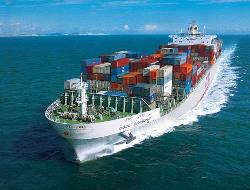
Ship operators face limited options: pay more for fuel, slow speeds, or suspend voyages. Clarksons Research reported that bulk carriers and container ships have slowed by around two percent since the war began on February 28.
Rising fossil fuel prices are narrowing the gap with green alternatives. Wartsila's Hakan Agnevall stated that the crisis could accelerate the adoption of lower-emission fuels. Caravel Group CEO Angad Banga mentioned that about a third of ships under construction are dual-fuel capable, though LNG infrastructure remains limited.
Analysts have indicated that the industry is catching up, with limits on bunker fuel driving more interest in LNG-capable ships. 'That progress is real,' said Mr. Banga.