
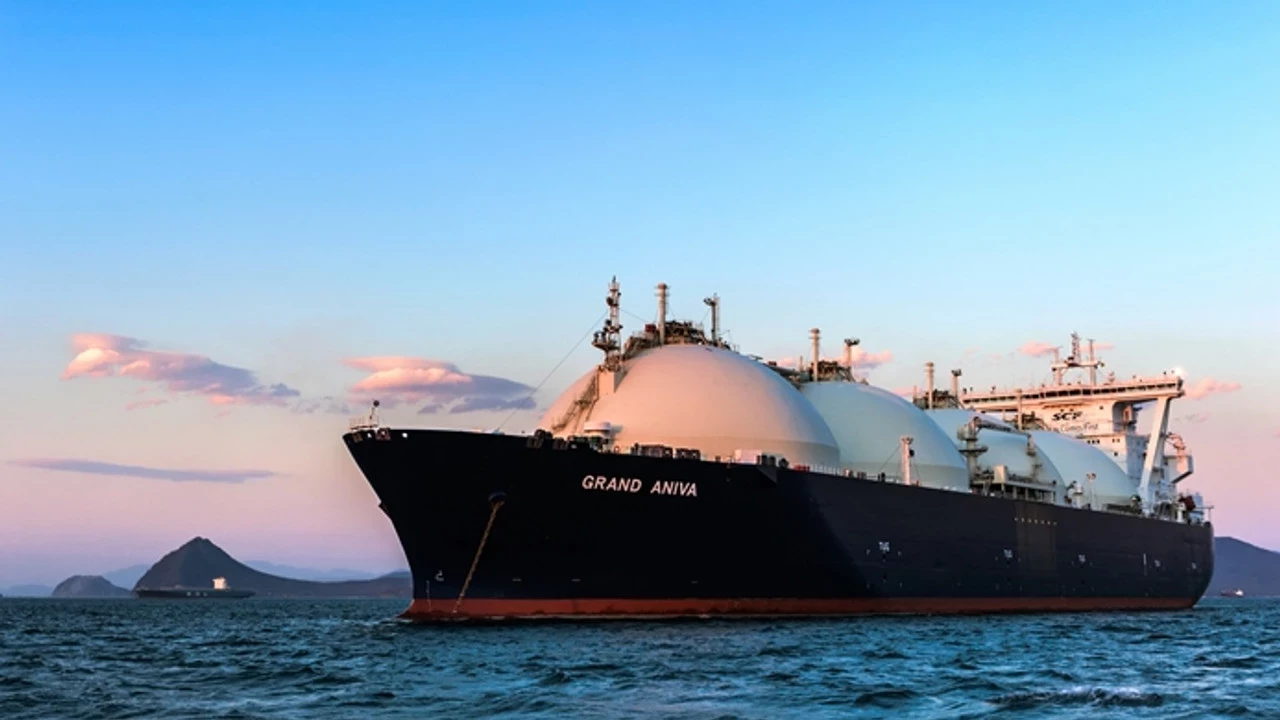
March saw a significant drop in global LNG shipments to 1.1 million tons, driven by Qatar's supply issues and regional tensions.
In the global LNG market, shipments sharply declined in March, reaching the lowest level in the last six months. According to Kpler data, the 10-day average shipments fell by 20% to 1.1 million tons. The majority of the decline originated from Qatar, while risks in the Strait of Hormuz and conflicts in Iran disrupted LNG flows.
The damage at the Ras Laffan facility is expected to affect production for an extended period, raising concerns in energy markets as approximately one-fifth of global supply is put at risk.
A notable contraction occurred in the global liquefied natural gas (LNG) market in March. As shipments fell to the lowest level in six months, developments in the Middle East played a decisive role in this decline.
According to an analysis based on Bloomberg's Kpler vessel tracking data, the 10-day average of LNG shipments decreased by 20% compared to the beginning of the month, dropping to 1.1 million tons. This figure stands out as the lowest recorded since September.
Qatar at the center of the decline
It was noted that the majority of the decline in shipments originated from Qatar, while the United Arab Emirates had a more limited impact. The necessity for both countries to use the Strait of Hormuz for LNG shipments to Asia and Europe increases the risks in the region. The war in Iran turning into a regional conflict directly affected LNG transportation, leading to significant disruptions in the flow.
Damage at the Ras Laffan facility
It was reported that Ras Laffan, the world's largest LNG export facility, was shut down at the beginning of the month due to attacks from Iran. It is stated that a new attack on the facility last week caused serious damage to two production lines, and the repairs for these lines could take years.
Global LNG production, which had been on an upward trend due to new projects in the United States and Canada over the past year, is now under serious pressure due to losses in Qatar and the effective closure of the Strait of Hormuz. These developments are considered to put approximately one-fifth of global supply at risk.
Source: SeaNews Türkiye


