
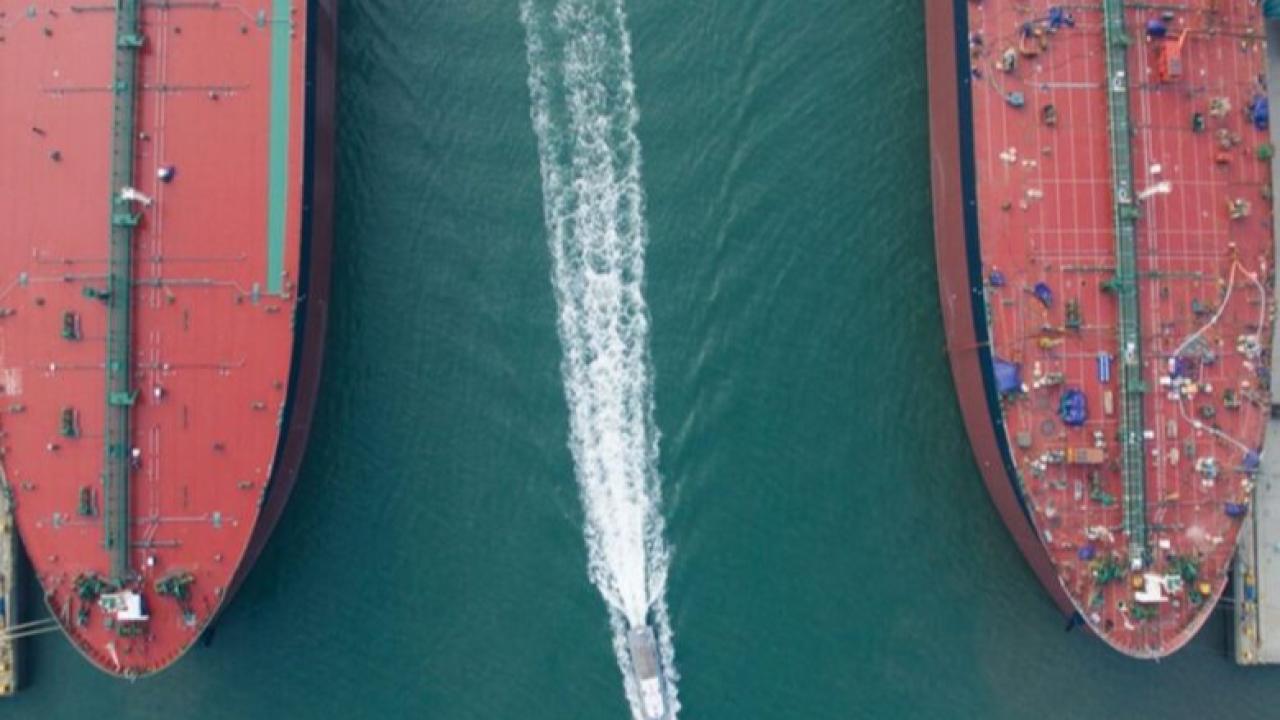
Ballast ships surge in crude oil tanker market, signaling a deeper demand crisis amid geopolitical tensions and declining exports.
The extraordinary accumulation of ballast ships across all major segments in the crude oil tanker market indicates that geopolitical disruptions have transformed into a deeper demand crisis.
According to data from Sentosa Shipbrokers, approximately 55% of the VLCC fleet is sailing in ballast condition, while this rate has reached 51% for Suezmax and Aframax tankers. The simultaneous exceeding of the 50% threshold for ballast rates in all three main segments is considered an unusual development from a market perspective.
Freight Rate Increase Was Short-Lived
Following the closure of the Strait of Hormuz for 60 days, an initial rise in freight rates occurred due to risk premiums and inefficiencies in trade routes. However, due to insufficient cargo availability, this increase quickly gave way to a decline.
Sentosa reported that global seaborne crude oil exports have decreased by 19% since the onset of the conflict, while refined product exports have declined by 11%.
Alternative Routes Prove Insufficient
In recent weeks, Saudi Arabia's shipments through Yanbu have been realized at a daily level of 3.6 million barrels to maintain crude oil flow. Exports from the United Arab Emirates via Fujairah have also increased by approximately 400,000 barrels per day over the past two months.
However, alternative routes are also under pressure. Iran's attack on a pump station two weeks ago raised questions about Yanbu's capacity, while shipments from Iraq's Ceyhan line remained around 250,000 barrels despite a capacity of 600,000 barrels per day.
Warning of Contraction in Refined Products
A report published by BRS indicated that approximately 4 million barrels of refined products, previously exported through Hormuz, have still not been brought to market.
It was noted that pressure in the jet fuel market has increased, particularly due to the Middle East's 30% share in global kerosene exports. Experts warned that the fuel shortages concentrated in Asia could quickly spread to Western importing countries, potentially leading to a chain reaction that could result in flight cancellations.
Bunker Market Also Under Pressure
The supply tightness continues in the marine fuel markets. In Singapore, tanker waiting times have increased by approximately 1.5 days on a yearly basis, while the price difference between low-sulfur and high-sulfur fuel has narrowed sharply over the past month.
Volatility Will Continue
In the Atlantic Basin, VLCC freight rates are declining under the pressure of ballast tankers repositioning from the Gulf, while clean product tankers are performing relatively stronger thanks to exemptions under the Jones Act in the U.S.
BRS noted that a return to normalcy in the tanker market will take time, emphasizing that transportation markets will continue to exhibit high volatility in the upcoming period.
Source: SeaNews Türkiye


