
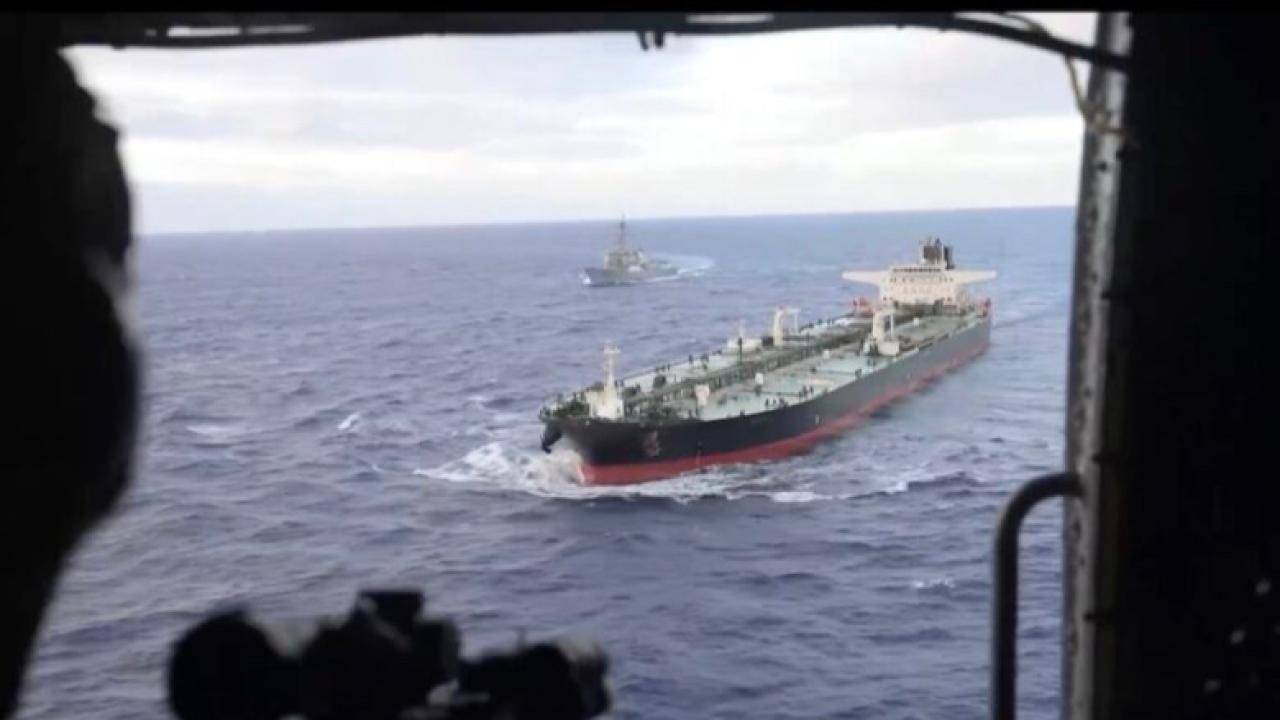
Western sanctions are reshaping Russia's oil export logistics, with over 120 tankers expected to re-register under the Russian flag.
Maritime analysis company Windward has announced that interventions by Western countries targeting stateless and flagged tankers have accelerated a significant transformation in Russia's oil export logistics. According to the company, at least 120 sanctioned tankers are expected to be re-registered under the Russian registry in the coming months.
Transition from False Flag to Russian Flag
According to Windward's assessment, following management pressure and the recent detention of nine stateless tankers, numerous vessels have begun to switch to the Russian flag. Approximately 70 'shadow fleet' tankers, tracked since May 2025, have chosen Russia as their new flag; of these, 40 were identified after the attempts by the U.S., U.K., and France to seize and detain vessels under false flags in December.
Data from Clarksons Research also confirms this trend. The usage rate of the Russian flag has increased by over 25% in the last 12 months. Last week, three tankers named Akkord, Saga, and Topaz also transitioned from false registries to the Russian flag.
Stateless Vessels and the Search for Legal Protection
Throughout 2025, more than 300 tankers involved in oil trade with Iran, Venezuela, and Russia frequently changed flags. As a result of Western pressures, some vessels were removed from registries that allowed them and effectively became 'stateless.'
This situation leaves vessels legally vulnerable at sea, while re-registering under the Russian flag provides minimum legal protection under international maritime law. It is reported that approximately half of the tankers that have switched back to the Russian flag are linked to the state-controlled Sovcomflot.
According to Windward data, around 120 tankers trading with Russia, each over 180 meters in length, carry 19 different false registry flags, including those from Botswana, Guyana, Guinea, and Madagascar. These vessels are part of a larger fleet of over 650 tankers that are being monitored for attempting to evade sanctions.
New Signals of Sanctions from Europe
In a joint statement released on January 26, European governments emphasized that measures against vessels without valid documentation or nationality would be increased and that the risk of sanctions against stateless vessels is growing.
If the 20th sanctions package prepared by the European Commission is adopted, further pressure is expected. The plan includes the removal of the price cap imposed on Russian crude oil and the introduction of a complete ban on maritime services associated with Russian oil exports.
Tanker broker Poten & Partners experts state that this step will create additional economic pressure on the Kremlin and that Russia may become heavily reliant on 'dark/shadow fleet' for its oil transportation.
Source: SeaNews Türkiye


