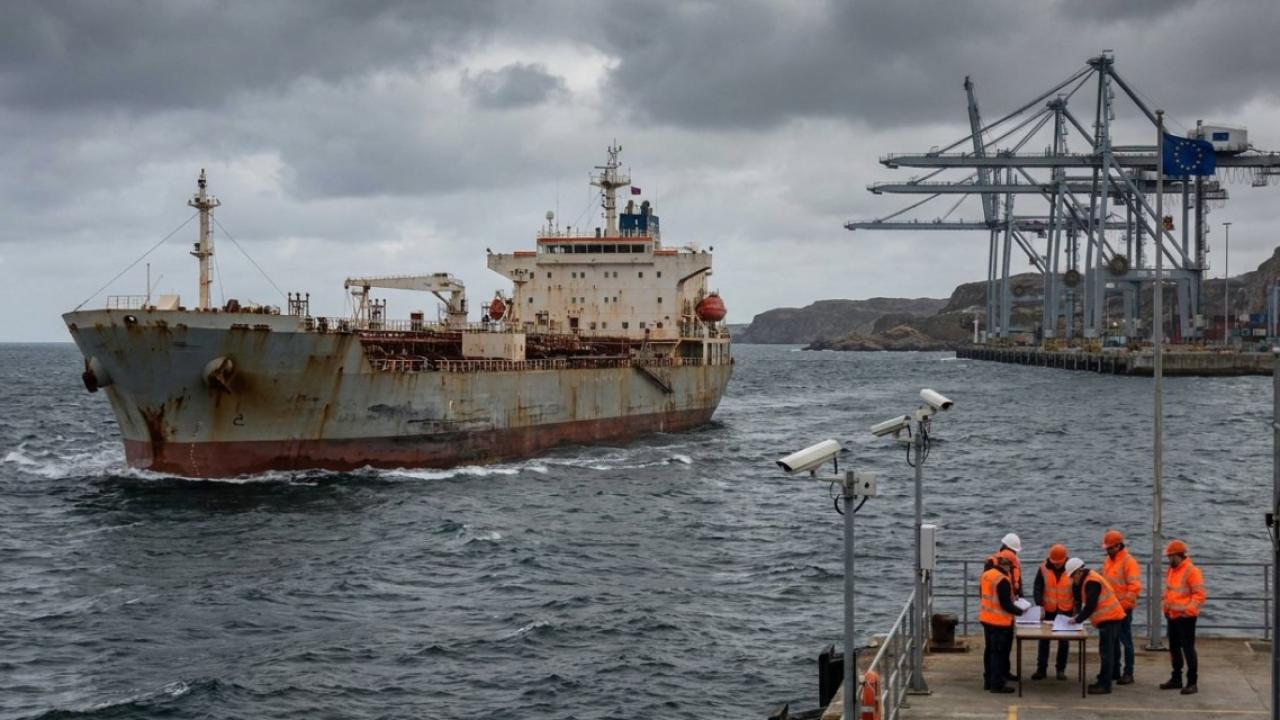

Venezuela's oil exports jumped to 800,000 barrels/day after US sanctions were lifted and Maduro was captured, up from 500,000 barrels/day in December.
Venezuela's Oil Exports Accelerate After Lifting of U.S. Embargo
Following the end of the U.S. embargo and the capture of former President Nicolas Maduro, oil exports from Venezuela have shown a rapid increase. During the American administration, oil shipments rose to approximately 800,000 barrels per day in January. This figure was around 500,000 barrels per day in December when under the blockade of the U.S. Navy.
It has been reported that leading global commodity trading companies Vitol and Trafigura have reached agreements for the first shipment of oil stored at loading terminals and ports in Venezuela, and preparations for the shipment are ongoing. According to Bloomberg, Mercuria and AD Commodities have also applied for licenses from the U.S. Department of the Treasury to participate in this trade.
U.S.: Agreements Are Temporary, Goal Is Normalization
U.S. Secretary of State Marco Rubio stated that the agreements made with commodity traders are of a temporary nature, emphasizing that Washington aims to normalize Venezuela's oil export sector in the long term. The Office of Foreign Assets Control (OFAC) issued a general license last week allowing U.S.-based companies to trade oil with Venezuela, conditional upon payments being transferred to accounts designated by the U.S. Department of the Treasury.
However, transactions with counterparties in Russia, Iran, North Korea, Cuba, and China were excluded from this provision, and trade with these countries remains prohibited.
China's Role Remains Uncertain
Questions continue regarding China's access to Venezuelan oil. U.S. officials have indicated that one of the reasons for Maduro's ousting was to limit China's influence in South America and that excluding China will be a priority moving forward. According to Bloomberg, no licenses have yet been granted by the U.S. Department of the Treasury for entities connected to China to purchase oil from Venezuela's state oil company PDVSA. Additionally, U.S. companies are also prohibited from purchasing oil from the China-Venezuela joint venture PetroSinovensa.
Shipments and Tanker Movements Signal Normalization
The unloading of sanctioned tankers and redirecting oil to a broader buyer base is seen as an important step in resolving the tight crude oil supply. On Monday, the tanker Folegandros set sail from Venezuela to an undisclosed European port, while an LPG tanker also departed from Venezuela to the U.S. East Coast. These developments are regarded as signs of normalization in international oil trade.
Oil Revenues Transferred to Qatari Account
It has been reported that revenues from the initial sales have been transferred to a bank account in Qatar through an unusual arrangement. Secretary Rubio described this method as a short-term solution to avoid legal risks. The Venezuelan government owes approximately $150 billion to U.S. and foreign creditors. If the revenues were transferred to bank accounts in the U.S., there would be a risk of seizure by the courts due to unpaid debts.
Rubio emphasized that Venezuela urgently needs these revenues to pay the salaries of public officials. Presidential Decree No. 14373, which regulates Venezuela's oil sales plan, defines the possibility of 'seizure or enforcement of legal proceedings' within the U.S. judicial system as a foreign policy issue and foresees a mechanism for accounts to be managed by the U.S. Department of the Treasury for Venezuelan oil revenues. It is stated that until this mechanism is completed, the bank account in Qatar is being used as a temporary solution to expedite transactions.
Legal Risks Persist Due to Terrorism Cases
According to an analysis by Lawfare, another significant risk involves court decisions related to terrorism cases. Venezuela has been noted to have connections with FARC, Tren de Aragua, and other organizations in the past. There are judgments for compensation amounting to hundreds of millions of dollars in lawsuits related to these groups. It is warned that if Venezuelan oil revenues fall under U.S. jurisdiction, funds could be seized by plaintiffs in these cases.
All these developments indicate that the process of reintegrating Venezuela's oil sector into global markets is progressing on a sensitive balance of both economic and legal fronts.
Source: SeaNews Türkiye