
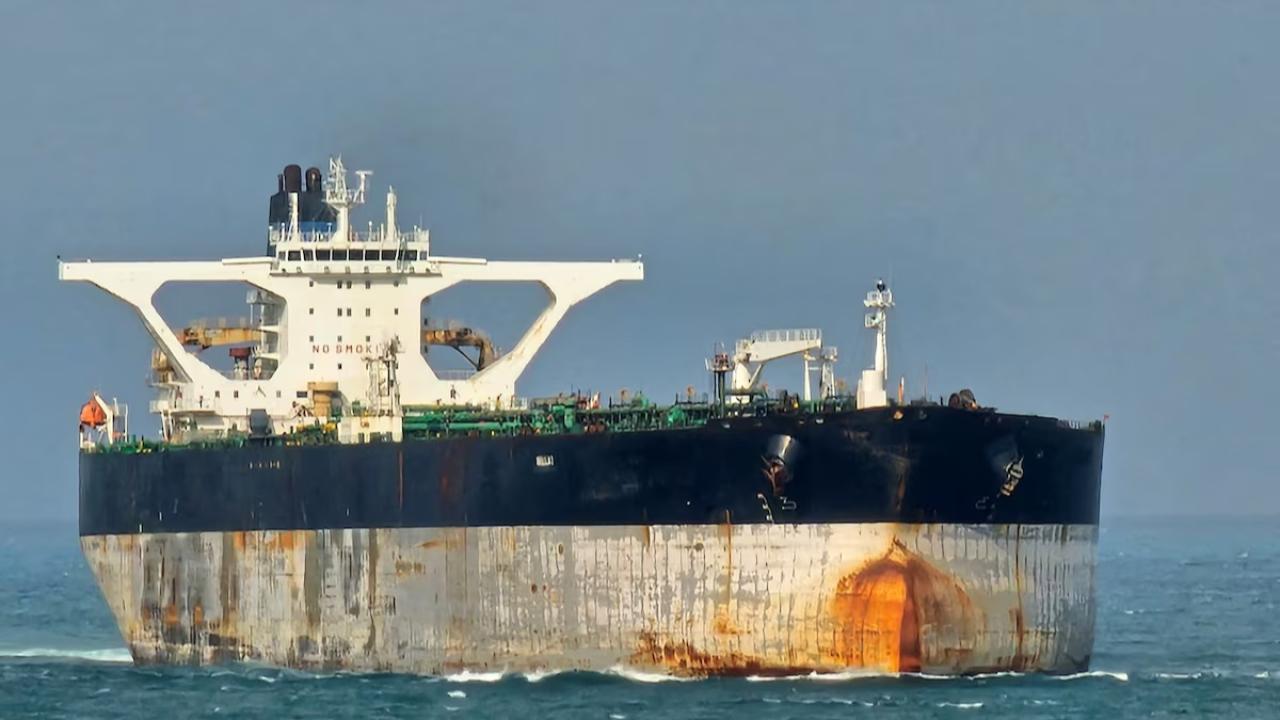
The U.S. Navy's seizure of a Venezuelan oil tanker escalates tensions with Russia, defying warnings amid rising geopolitical stakes.
The Atlantic Ocean is experiencing unprecedented warmth since the Cold War. On January 7, 2026, the U.S. Navy seized a tanker from the 'dark fleet' transporting Venezuelan oil, despite clear warnings from Moscow and weeks of diplomatic tension.
According to breaking news from Reuters and international agencies, the 'ghost ship' crisis that brought the U.S. and Russia face to face in the ocean concluded with Washington's bold action. Naval forces, acting on orders from the U.S. Department of Justice, boarded the tanker, which is claimed to belong to Venezuela but is alleged to be under the protection of a Russian logistics network.
The tanker frequently turned off its AIS signals, changed flags, and conducted ship-to-ship (STS) cargo transfers at sea to evade American satellites. U.S. intelligence had been monitoring the vessel for months.
What sensationalized the operation were the details behind the scenes. Allegedly, the Kremlin conveyed a diplomatic message to Washington through various channels, stating, 'Cease the tracking; this is our red line,' to prevent harassment of the ship in international waters. Russia views this vessel as an inviolable part of its energy alliance with Venezuela.
The U.S. ignoring this warning and seizing the tanker to tow it to Houston has led to comments in maritime circles that 'Washington is playing with fire.' This move is characterized not merely as a sanction but as an open attack on Moscow's maritime protective shield.
Experts believe that the U.S.'s audacious move will not go unanswered. It is speculated that Russia may attempt similar harassment or seizure of Western tankers in the Black Sea or North Sea routes as retaliation.
Energy markets are closely watching this development, which has turned the oceans into a powder keg. A maritime official summarized the situation: 'We used to be curious only about the cargo; now we are discussing missiles. By taking a ship under Russian protection, the U.S. has changed the rules of the game. There will be a price for this.'


