
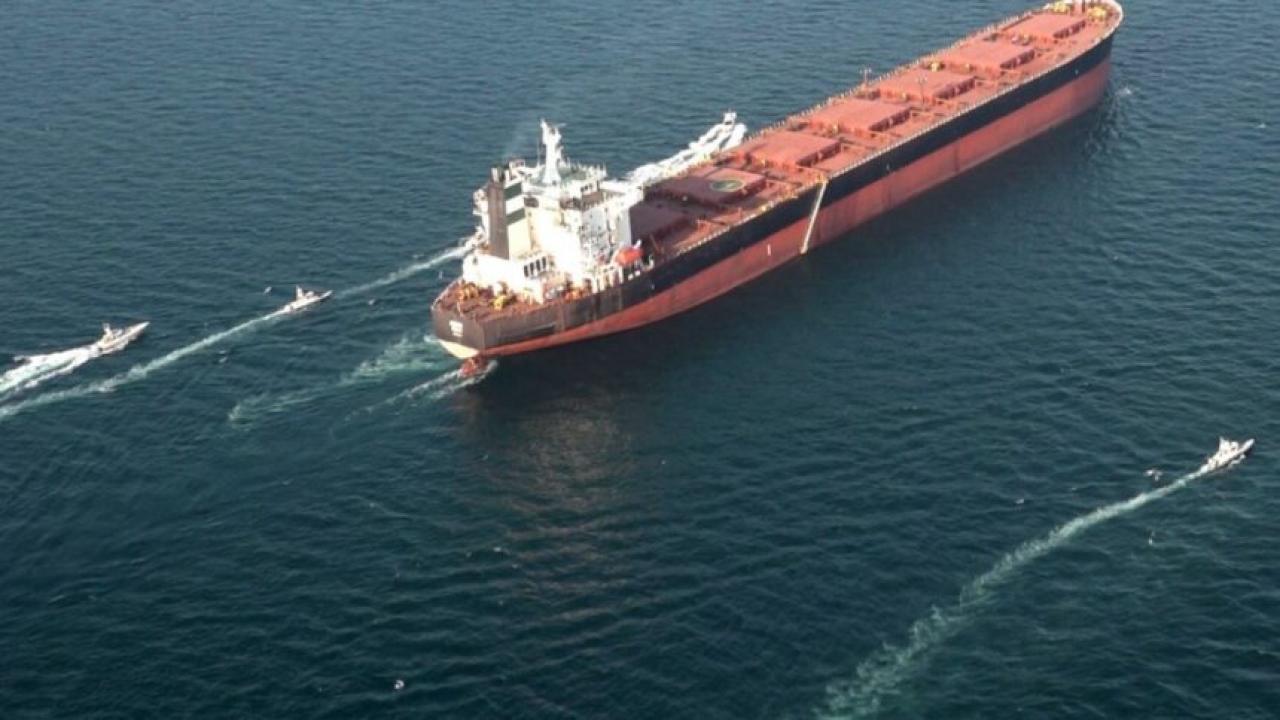
Iran's closure of the Strait of Hormuz amid U.S.-Israel tensions ignites a significant energy crisis, affecting global oil and LNG markets.
The Middle East is facing one of the largest energy crises in its history following the 'Epic Fury' operation initiated by the United States and Israel targeting strategic objectives in Iran. In retaliation for the attacks, Iran has implemented its decision to close the Strait of Hormuz, considered the heart of global oil shipments.
Critical Warning from Radios
Commercial vessels in the region and international observers have reported that the naval elements of the Iranian Revolutionary Guard Corps (IRGC) issued a clear ultimatum to all ships over radio frequencies:
'The Strait of Hormuz is closed to all traffic for security reasons. No vessel will be allowed to enter or exit. Ships that do not comply with the instructions will be directly targeted.'
Chaos of 'De Facto Blockade' on the Ground
Although there has been no official declaration of a 'closure' from the Iranian government in accordance with international law, the situation on the ground is being described as a de facto blockade.
Tankers Making U-Turns: Dozens of oil tankers and large container ships attempting to enter Basra from the Gulf of Oman have changed their routes to open sea following the warnings.
Maritime Traffic Stopped: Satellite data shows that there is a backlog of ships at both entrances of the strait, and traffic has decreased by 90% compared to its normal flow.
Insurance Risks: International maritime insurance companies have declared the region a 'high-risk war zone,' doubling policy prices within hours.
Global Energy Market on Alert
The closure of this route, through which approximately 20% of the world's oil supply passes, has created a shockwave in the global economy.
Oil Prices: Brent crude oil began to rise rapidly in Asian markets with the spread of the news, approaching the $100 threshold. Analysts warn that if the blockade lasts more than a few days, the price per barrel could rise to the $200-250 range.
LNG Shipments: The strait is also the sole exit route for Qatar's liquefied natural gas (LNG) exports. This situation is said to particularly jeopardize energy supply security in Europe and Asia.
Response from the U.S. and Allies Expected
The U.S. Central Command (CENTCOM) announced that additional naval assets have been deployed to the region to maintain freedom of navigation. However, the advanced missile batteries and kamikaze drones that Iran has positioned along its coastline significantly increase the cost of any military intervention.
Source: SeaNews Türkiye


