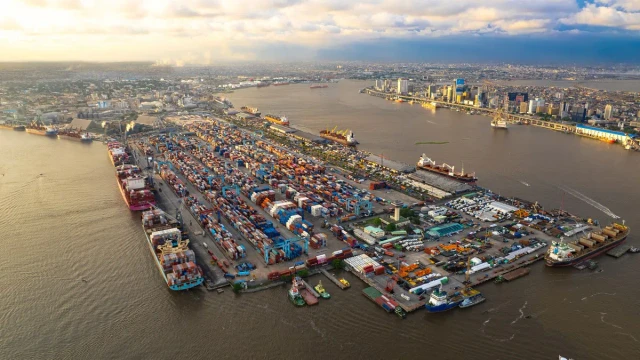
In September 2026, the Port of Los Angeles set a record with 1.04 million TEUs processed, marking the highest monthly throughput in the Western Hemisphere.
In September 2026, the Port of Los Angeles processed 1.04 million TEUs, establishing a new all-time record and marking the highest single-month container throughput ever recorded at any port in the Western Hemisphere. Through the first nine months of the year, the port has accumulated a cumulative volume of 8.1 million TEUs.
Port of Los Angeles Executive Director Gene Seroka noted that September's exceptional performance is emblematic of a sustained period of elevated throughput. Consumer demand has remained resilient, importers are actively replenishing inventories, and shippers are increasingly redirecting cargo to Los Angeles as other global trade lanes continue to face operational headwinds. The third quarter of 2026 stands as the strongest quarter in the port's history, with single-quarter volume approaching 3 million TEUs. When June is included in the calculation, the port processed nearly 4 million TEUs across a four-month span - a figure that underscores the scale and consistency of its recent performance.
Import volumes have served as the primary engine behind these results. In September, the Port of Los Angeles recorded 546,000 TEUs in inbound cargo - a 19 percent increase year-over-year and 26 percent above the five-year average for the same period. Export performance, by contrast, remains comparatively subdued.
Seroka attributed much of the import surge to shippers front-loading cargo to capitalize on a lower-tariff window, with the pace of shipments further accelerated by market concerns surrounding a U.S.-China trade agreement that was originally set to expire in the autumn of 2026 - and has since been extended. Sustained growth in the U.S. economy and continued strength in consumer purchasing power have further reinforced demand across import channels.
Broader global disruptions have also contributed to the port's competitive positioning. Ongoing instability in the Middle East and drought-related draft restrictions at the Panama Canal have constrained alternative shipping routes, prompting shippers to redirect an increasing share of their cargo flows through Los Angeles. These structural shifts in global supply chain routing are not incidental to the port's record-breaking performance - they reflect a strategic realignment toward one of the world's most capable and well-positioned gateways.