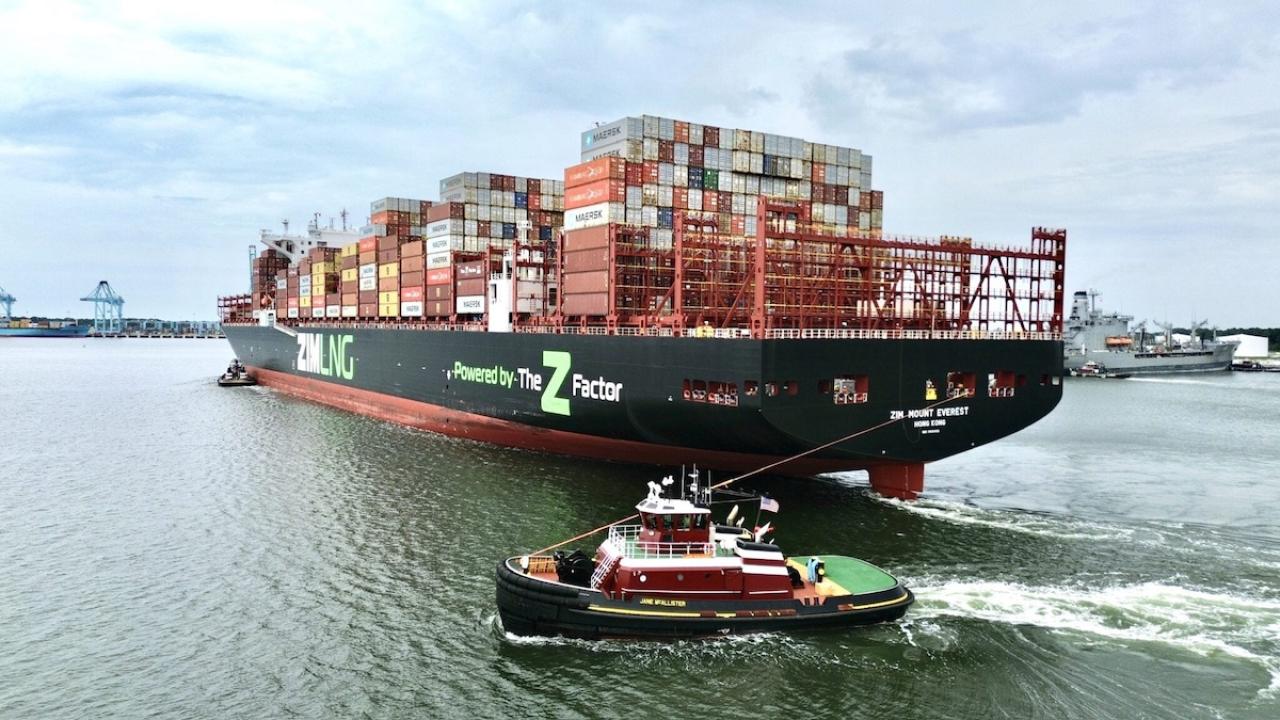
The Port of Hamburg handled 84.5 million tonnes in 2026's first nine months, signaling stabilization despite a 2.6% year-on-year decline.
The Port of Hamburg, Germany's largest seaport, handled 84.5 million tonnes of cargo in the first nine months of 2026. That total is 2.6 percent lower than in the same period last year. A stronger third quarter helped offset weaker first-half results and suggests the port's cargo performance is beginning to stabilize.
The port attributed the decline to four factors: weather-related disruption early in the year, volatility in global oil markets following the war in Iran, industrial action, and extensive modernization work across its container terminals. The terminal upgrades have reduced capacity in the short term, but the port expects them to strengthen its long-term competitiveness and provide capacity for future growth.
Container throughput reached 6.1 million TEUs in the first three quarters, down 2.8 percent year on year. Performance improved significantly in the third quarter compared with the end of June, narrowing the gap that opened in the first half.
Several key trade lanes recorded growth over the period: Finland: up 15.7 percent, Singapore: up 9.3 percent, India: up 7.8 percent, Sri Lanka: up 3.7 percent.
These gains show the strength of Hamburg's connections across Northern Europe, Southeast Asia, and South Asia. For logistics providers balancing routing options and capacity, these lanes continue to deliver volume through the port.
Other markets moved in different directions. Container throughput linked to the United States fell 9.8 percent, as persistent trade barriers continued to weigh on volumes. China, Hamburg's largest trading partner, returned almost to its previous-year level with a marginal decline of 0.6 percent. The third-quarter recovery also helped offset declines recorded across several trading partners in the first half.
Total bulk cargo throughput reached 23.9 million tonnes, down 2.6 percent year on year. The two main segments performed very differently: Dry bulk: up 1.7 percent, supported by a continued recovery in grain exports and ore imports; Liquid bulk: down 13.3 percent.
The port linked the weaker liquid bulk volumes to pressure on global energy markets following the outbreak of war in Iran, which has reduced mineral oil imports since April. Growth in dry bulk partially offset this decline.
The nine-month results show that the port continues to face external pressures, including geopolitical tension, energy market volatility, and trade barriers. Market volatility and operational disruptions continue to affect throughput.
However, the third-quarter improvement suggests that Hamburg's cargo performance has begun to stabilize. Container volumes with China are close to last year's level, and several Asian and Nordic trade lanes recorded growth. Forwarders, shippers, and importers routing cargo through Northern Europe will be watching whether this recovery continues into the fourth quarter. Their main concerns are reliable schedules and predictable costs.
The modernization work across Hamburg's container terminals has been one of the causes of this year's softer volumes. It is also intended to build capacity and competitiveness for the years ahead. Taken together, stabilizing trade flows and terminal upgrades show that Hamburg is investing during the current disruption to strengthen its position in global trade.