Oil prices have dipped to $70 a barrel, yet analysts warn of ongoing risks in the Strait of Hormuz affecting shipping and insurance costs.
Oil prices have fallen back toward pre-war levels near US$70 a barrel, though analysts warn that markets may be underestimating persistent risks in the Strait of Hormuz, reports CNBC News.
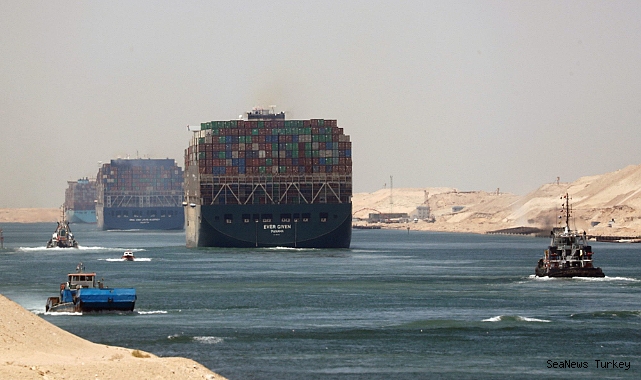
Brent crude was trading at US$72.45 on Monday, down from a wartime high of more than US$188 in April. Analysts indicated that shipping traffic through Hormuz is unlikely to return quickly to normal, with companies facing unclear ceasefire terms, mine threats, and high war-risk insurance costs.
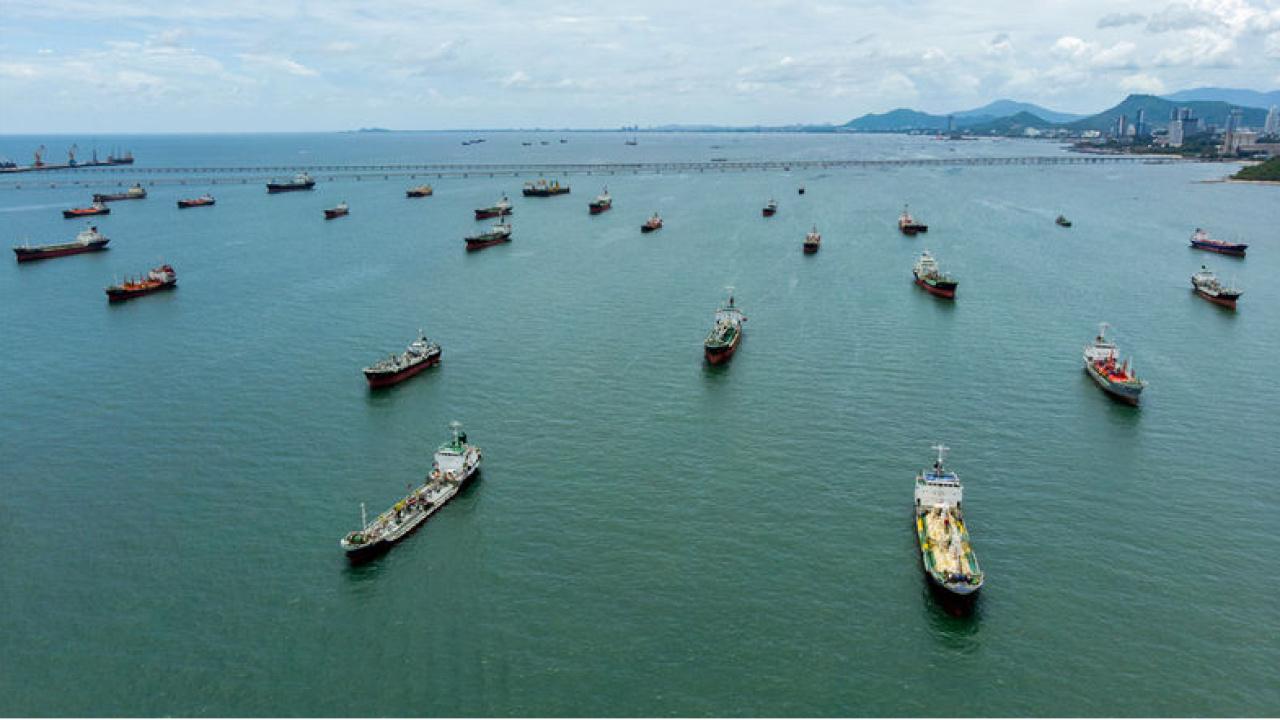
Nikos Petrakakos of Tufton Investment Management stated that many shippers remain reluctant to re-enter the strait, noting, 'we're nowhere near being back to where it was.' Amrita Sen of Energy Aspects added that shipping costs remain elevated and few operators are willing to risk sending vessels back.
Strategists noted that Iran is using its leverage over the chokepoint to push for greater control of vessel traffic. While a formal toll system is unlikely, Mr. Petrakakos warned that coordination with Tehran is a 'slippery slope' for companies facing sanctions risk. Ms. Sen mentioned that Gulf states and Western firms would reject any toll mechanism.
Analysts cautioned that insurers will take months before lowering premiums, needing proof that the ceasefire is durable. Petrakakos explained that insurers want to see implementation before offering cover, citing parallels with Houthi attacks in the Red Sea.
Aldo Spanjer of BNP Paribas stated that the focus has shifted to rebuilding depleted inventories. He forecasted oil prices rebounding toward US$80 by year-end as importers rebuild stocks, with prices likely to trade in a US$75 to US$85 range in 2027. He noted that upside risks will be limited once inventories are restored.