
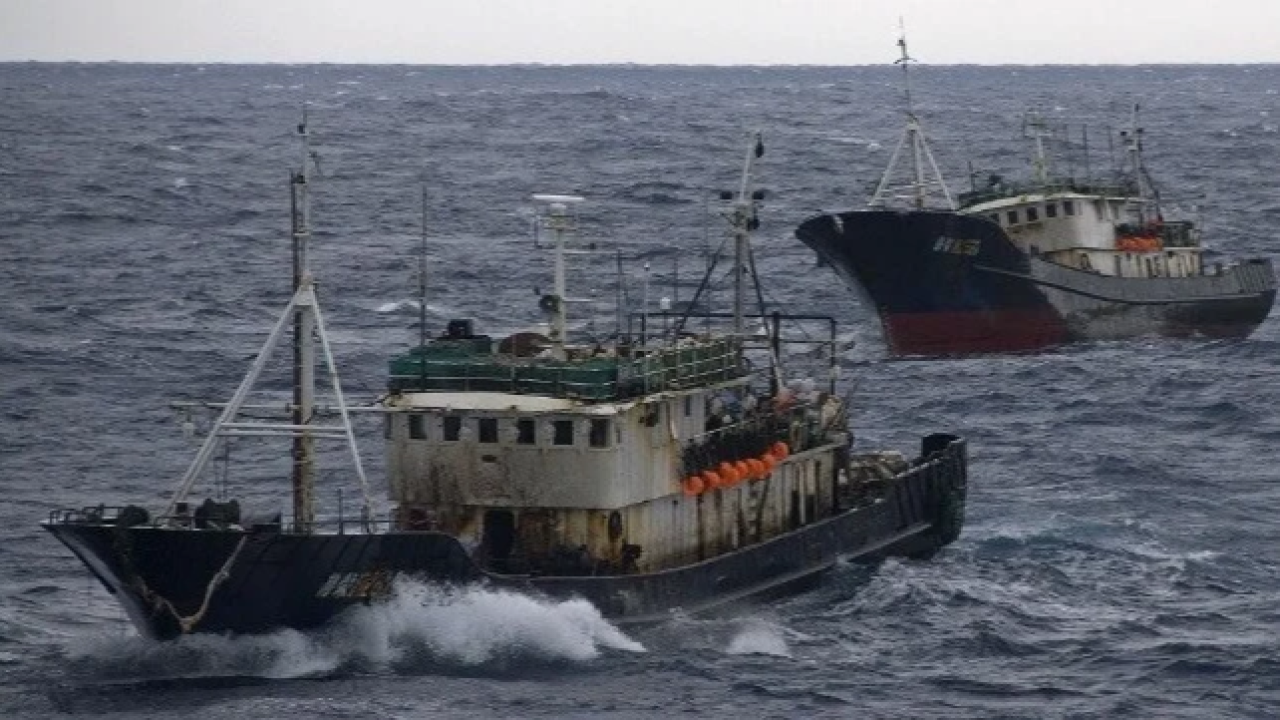
A study reveals ocean warming drastically reduces fish biomass, threatening global fisheries and marine ecosystems.
A new meta-analysis published in the journal Nature Ecology & Evolution has revealed that ocean warming has a significant impact on the total fish biomass in the water, which could have serious implications for global fisheries.
The study, conducted by researchers at the Museo Nacional de Ciencias Naturales (National Museum of Natural Sciences) in Spain, analyzed hundreds of thousands of data points regarding fish populations in the Northern Hemisphere between 1993 and 2021. The research covers more than 1,500 species and approximately 34,000 different populations, primarily in the Mediterranean, North Atlantic, and Northeast Pacific.
Long-Term Decline of Up to 20%
The team, focusing on species critical to fisheries in the U.S. and Europe, found that long-term warming trends have led to declines in annual biomass of up to 20%. However, this overall decrease can be obscured from year to year by short-term increases and decreases caused by marine heatwaves.
According to the study, the positioning of species within their 'thermal comfort zones' plays a crucial role. During marine heatwaves:
Biomass can decrease by up to 43% in the hottest areas of species' distribution.
Conversely, biomass can increase by up to 176% in the coldest extremes of species' distribution.
This indicates that individuals living in previously cold areas can temporarily gain an advantage with warming, while those already in warm regions are negatively affected by excessive heat.
“Don’t Be Deceived by Temporary Increases”
MNCN researcher Shahar Chaikin warned that sudden increases in cold waters could be misleading:
“While these increases may seem like good news for fisheries, they are temporary. If quotas are raised based on these short-term increases caused by heatwaves, there is a risk of population collapse when temperatures return to normal or when the long-term warming effect becomes dominant.”
Chronic Warming Creates “Continuous Negative Pressure”
Juan David González Trujillo, a co-author of the study from Universidad Nacional de Colombia, highlighted the long-term threat:
“Chronic warming is creating a continuous negative pressure on fish populations in the Mediterranean, North Atlantic, and Northeast Pacific.”
The researchers emphasize that even if fish populations appear healthy, managers must consider long-term warming trends when setting quotas. Due to global warming, fish are migrating to cooler waters; this movement across national borders increases the need for joint management.
The words of co-author Miguel B. Araújo summarize the situation:
“The only valid strategy while ocean warming continues is to prioritize long-term resilience. Management policies must account for the expected decrease in biomass in warming oceans.”
Waves on the ocean surface may appear as usual. However, the picture changes beneath the water. And this change affects not only the fish but the entire system that brings them to our tables.
Source: SeaNews Türkiye