
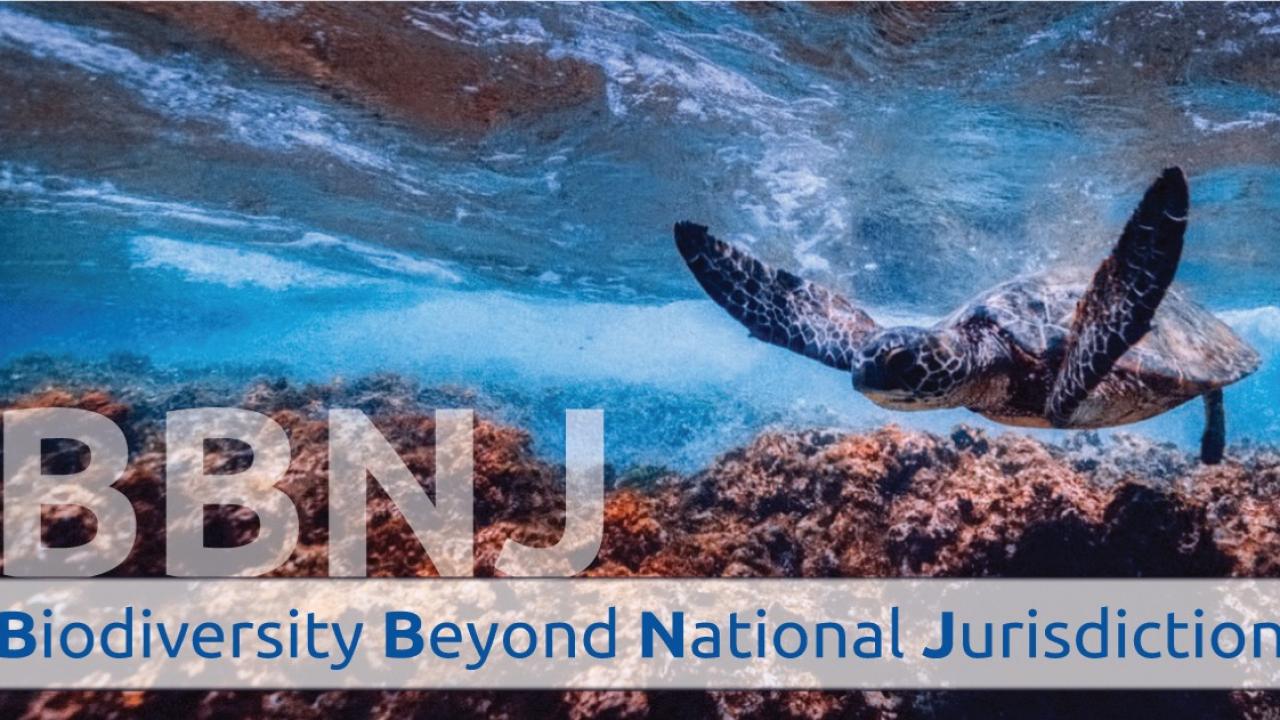
The BBNJ Agreement has officially entered into force, safeguarding 64% of the world's oceans under international law.
BBNJ Agreement Enters into Force: The High Seas Now Protected by International Law
The BBNJ Agreement (Agreement on the Conservation of Marine Biological Diversity of Areas Beyond National Jurisdiction), which has been negotiated for nearly 20 years at the United Nations and aims to protect the high seas, has entered into force today, gaining international legal status.
This historic agreement paves the way for environmental protection in areas beyond national territorial waters, which constitute a significant portion of the world's oceans.
64% of the World's Oceans Covered
With the BBNJ Agreement, biological conservation areas can be declared in 'unowned' marine areas that make up approximately 64% of the world's oceans and are not under the sovereignty of any state.
New international rules will be implemented in these areas to ensure the protection of marine ecosystems, monitoring of biodiversity, and sustainability of sensitive species.
New Obligations for Maritime and High Seas Activities
With the entry into force of the agreement, maritime transportation, deep-sea mining, energy projects, and submarine cable laying activities will be subject to stricter environmental oversight.
In this context, the scope of Environmental Impact Assessment reports prepared for these activities will be expanded, and international monitoring mechanisms will be activated.
Environmental Impact Assessment Processes Tightened
The new regulations foresee the evaluation of economic activities conducted in the high seas not only according to national criteria but also according to multilateral international standards. Reducing environmental risks, preventing ecosystem damage, and ensuring transparent reporting processes are among the key elements of the agreement.
A New Era in Global Ocean Governance
According to experts, the BBNJ Agreement fills a long-standing legal gap in the governance of the high seas, opening the door to a new era in global ocean governance.
The agreement is considered one of the most comprehensive international regulations aimed at protecting the seas as a common heritage against global issues such as climate change, biodiversity loss, and overexploitation of the oceans.
Source: SeaNews Türkiye


