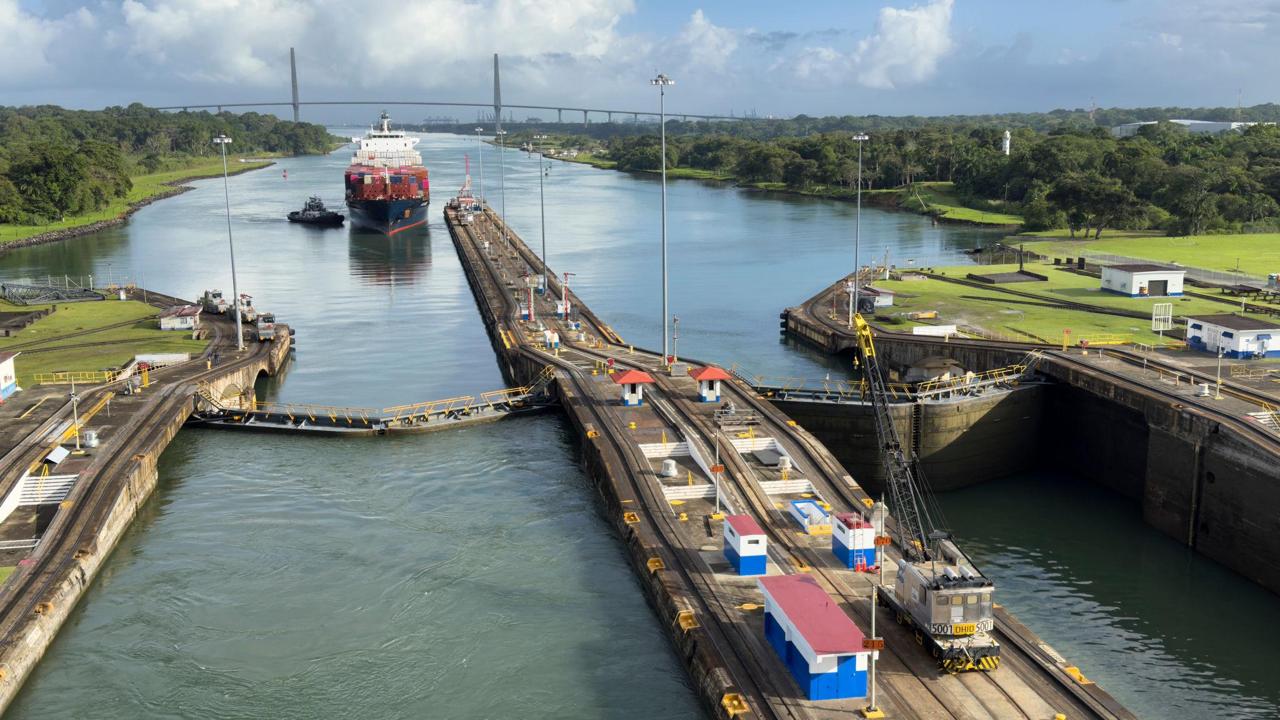
Container shipping lines are effectively managing capacity to maintain vessel utilization despite fluctuating demand, reports S&P Global.
Container shipping lines are maintaining vessel utilization levels despite sharp swings in demand through proactive capacity management, reports London's S&P Global.
Maersk's Johan Sigsgaard told TPM26 that stable utilization amid volatile volumes reflects weekly deployment adjustments, including ship size changes and blank sailings. He stated that carriers have mastered tactics such as redeployments and slow steaming to offset overcapacity.
Industry executives noted that this discipline marks a shift from pre-Covid practices. Serkan Kavas of MTS Logistics pointed out that carriers now rely heavily on blank sailings and vessel deployment to sustain rate levels, even with excess supply.
Analyst Lars Jensen explained that carriers first adopted large-scale capacity management during the 2008-09 financial crisis, laying up about 10 percent of global tonnage and introducing slow steaming. Blank sailings became regular practice around 2013 and have expanded through various shocks, including Covid-19, Red Sea attacks, the Panama Canal drought, and the war with Iran.
Despite a record order book equal to 35 percent of the fleet, analysts believe that downside risks are less severe than before Covid due to the growing importance of capacity management. Flexport's Trine Nielsen described the current downturn as an 'illusion of a normal down cycle,' citing macro volatility and frequent micro disruptions such as cargo rollings and equipment shortages.