Middle East airspace closures have led to an 18% drop in global air cargo capacity, forcing carriers to reroute and raising costs.
Global air cargo capacity fell 18 per cent week-on-week as Middle East airspace closures forced carriers to reroute, reported Cyprus-based GetTransport.
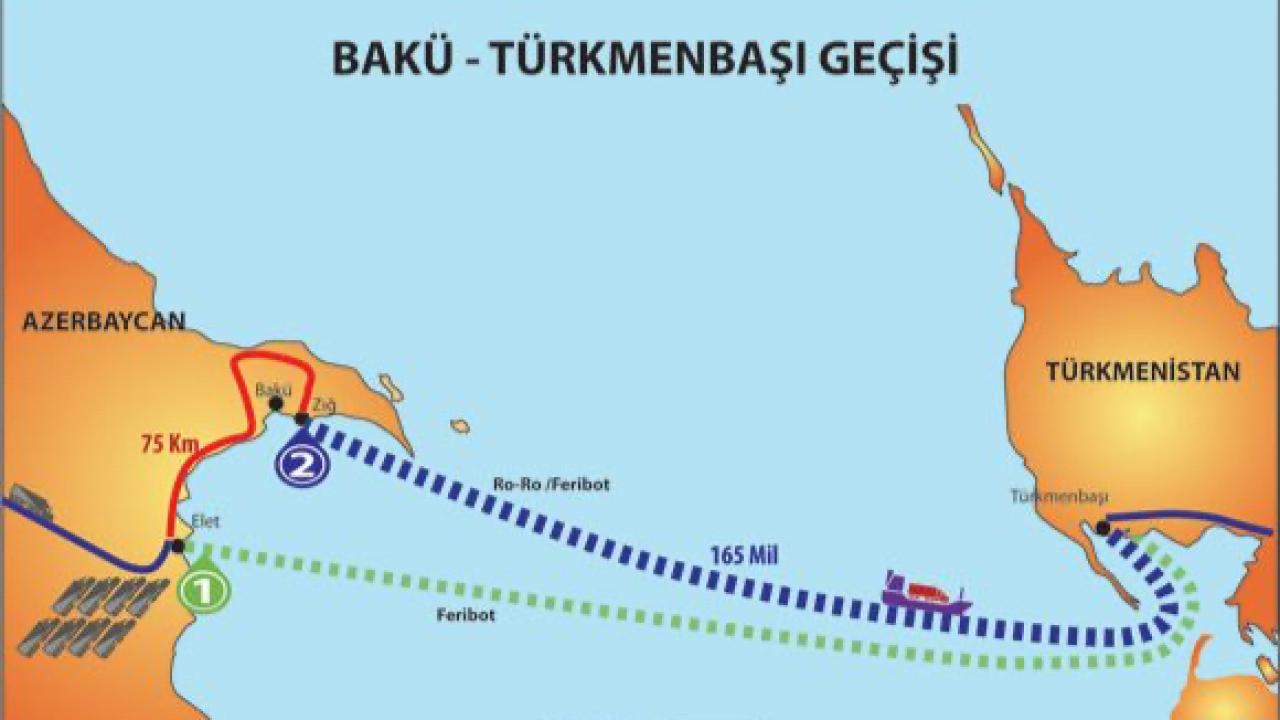
Emirates, Qatar Airways, and Etihad halted routine flights, cutting Asia-Middle East-Europe capacity by nearly 40 per cent. Detours via the Caucasus or south around Oman and Egypt are adding fuel burn, reducing payloads, and raising per-kilogram costs.
Freight forwarders are chartering aircraft and using truck-air and sea-air combinations to clear backlogs. Priority is given to pharmaceuticals, humanitarian goods, and premium contracts, while general cargo faces delays.
Rates have risen 6-15 per cent on key lanes, with carriers considering war risk surcharges. Longer routings and refueling stops are tightening supply and pushing up costs.
About 80 per cent of India–Europe cargo typically transits the Middle East, putting vaccines and critical supplies at risk. Forwarders such as Kuehne + Nagel, DHL, and Crane are relying on road freight to connect consumer markets.
If disruptions persist, ripple effects could tighten global air freight supply chains and shift some trade back to ocean or multimodal solutions. Shippers must weigh costlier expedited options against delays.