A new report from DNV reveals that 61% of maritime professionals believe the industry should accept higher cyber risks if it enables innovation and new technologies. T
Maritime Industry Shows High Willingness to Accept Cyber Risk Amid Digital Transformation
A new report from DNV reveals that 61% of maritime professionals believe the industry should accept higher cyber risks if it enables innovation and new technologies. This willingness to take on cyber risk is notably higher compared to other critical industries like energy, manufacturing, and healthcare.
Growing Cyber Threats
The report, based on a survey of nearly 500 maritime professionals, highlights the growing vulnerabilities in the sector:
71% of respondents say their industrial assets are more vulnerable to cyber-attacks than ever before. The same percentage believe cybersecurity is the greatest risk facing their organizations.
Knut Ørbeck-Nilssen, CEO Maritime at DNV, stressed the importance of balancing innovation with security. “We must secure our people, vessels, and systems as we embrace digital transformation and decarbonization,” he said.
Opportunities and Risks of Digital Transformation
The maritime sector is increasingly relying on technologies like:
Advanced data analytics Internet of things (IoT) AI and machine learning High-bandwidth satellite communications Autonomous operations
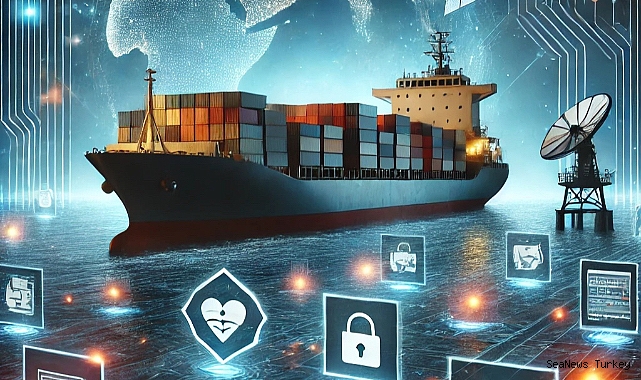
While these innovations promise a greener, safer, and more efficient industry, they also make maritime businesses more vulnerable to cyber threats.
Confidence in Cyber Readiness
Maritime professionals are optimistic about managing these risks:
83% believe their organization has a strong cybersecurity system. 71% are confident they could recover quickly from a cyber-attack.
This confidence is supported by increased investment, with 73% of respondents reporting higher cybersecurity spending this year.
However, challenges remain:
Only 53% feel their organization has full visibility of vulnerabilities in their supply chain. 68% say their IT security is stronger than their operational technology (OT) security, which includes critical systems like navigation and automation. 76% believe their organization’s cybersecurity training is not advanced enough to handle sophisticated threats.
Rising Cybercrime and Geopolitical Tensions
Concerns about cyber-attacks are growing due to rising geopolitical tensions and increasing criminal activity. The report notes a significant rise in fear of ransomware attacks by criminal gangs, with 79% of professionals worried about this threat compared to 56% in 2023.
Key Challenges for the Industry
DNV’s report, Maritime Cyber Priority 2024/25: Managing Cyber Risk to Enable Innovation, outlines four main challenges for the maritime sector:
Access to expertise to design and implement resilient cybersecurity systems. Enhanced detection and response capabilities to reduce the impact of attacks on operational technology (OT). Clear roles and responsibilities for handling OT cybersecurity onshore and onboard. Securing supply chain components and interdependencies.
Call for Greater Collaboration
A significant 95% of maritime professionals are calling for more collaboration between organizations to tackle cybersecurity challenges. “We need to openly share experiences—both good and bad—to create better security practices across the industry,” said Svante Einarsson, Head of Maritime Cybersecurity at DNV Cyber.
As the maritime industry pushes forward with digital transformation, managing cyber risks will be key to ensuring a secure and innovative future.