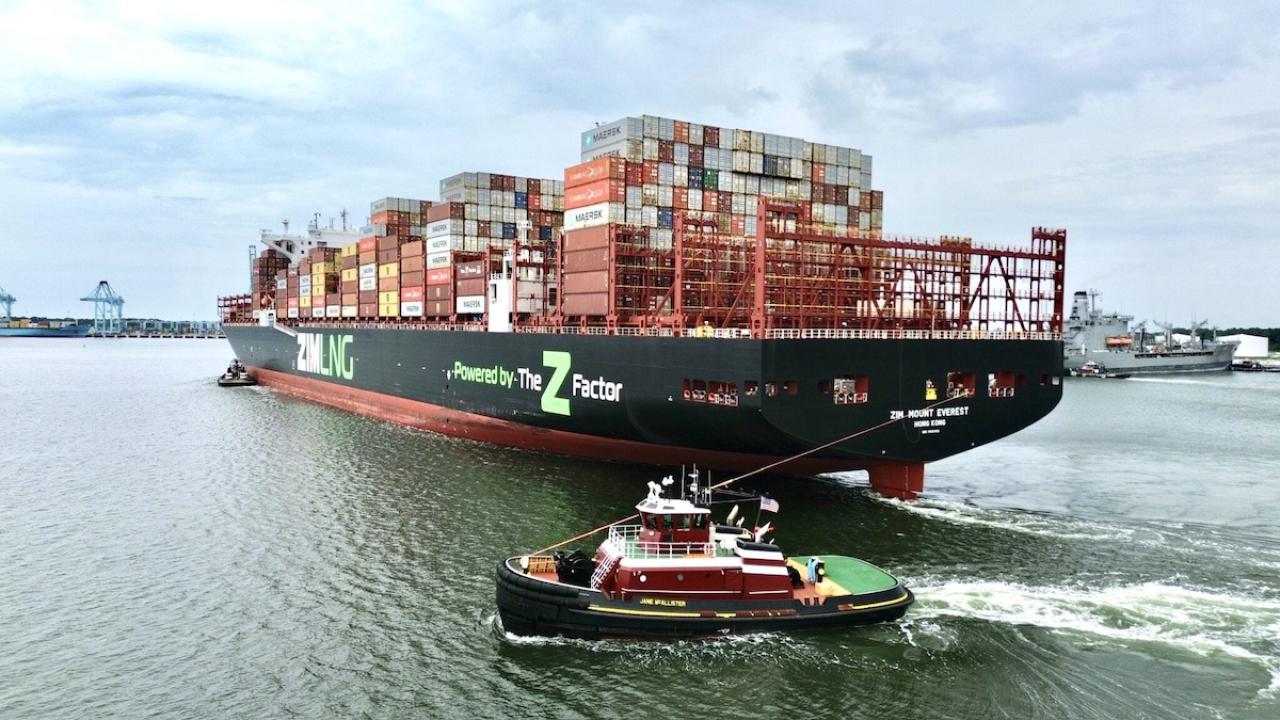
Hapag-Lloyd is in advanced talks to acquire ZIM, a strategic move set for 2026 that could reshape the global shipping landscape.
The announcement by the German shipping giant Hapag-Lloyd that it has begun advanced negotiations to acquire its Israeli competitor ZIM Integrated Shipping Services Ltd. has been recorded as one of the most strategic moves in the global logistics market for 2026. This process, confirmed by the company's official statement to the stock exchange on Sunday, indicates that the negotiations have reached a final stage after months of secret bargaining. The discussions encompass not only a commercial acquisition but also the transfer of the strategic rights of the State of Israel over the company and obligations with financial investor FIMI Opportunity Funds. Although no binding signature has yet been affixed, industry sources predict that the parties could shake hands within this week.
This acquisition attempt carries significant operational meaning in light of the cyclical and geopolitical challenges facing the shipping market. If Hapag-Lloyd, currently the fifth-largest container operator in the world, acquires ZIM's capacity of approximately 600,000 TEUs, it will increase its global market share to around 8%, narrowing the gap with its competitors. Particularly, this move aims to enhance the operational efficiency of the 'Gemini Cooperation' alliance initiated with Maersk, centralizing capacity management on strategic routes where container traffic is dense.
According to industry analysts, the acquisition of ZIM stands out not only as an increase in capacity but also as a geopolitical risk management maneuver. Due to being an Israeli company, ZIM has become a direct target in recent years amid conflicts in the Red Sea and surrounding areas, leading to operational costs that have surged due to insurance premiums and route changes. By coming under German flag and capital, ZIM aims to alleviate this pressure. This situation enhances the navigational safety of vessels while also mitigating the risk of 'Israeli-origin assets' in the global supply chain within an international framework.
From the perspective of the Turkish and Eastern Mediterranean market, ZIM's dominant role in ports such as Mersin, Ambarlı, and Izmir will transition to Hapag-Lloyd with this merger. This could lead to a reduction in competition in the freight market originating from Turkey and result in a more consolidated pricing policy. However, Hapag-Lloyd's extensive global logistics network and digital infrastructure may also provide Turkish exporters with the opportunity to reach more destinations with more regular services. This first major maritime merger of 2026 has the potential to trigger a domino effect that could lead other players in the sector to take similar consolidation steps.
Source: SeaNews Türkiye