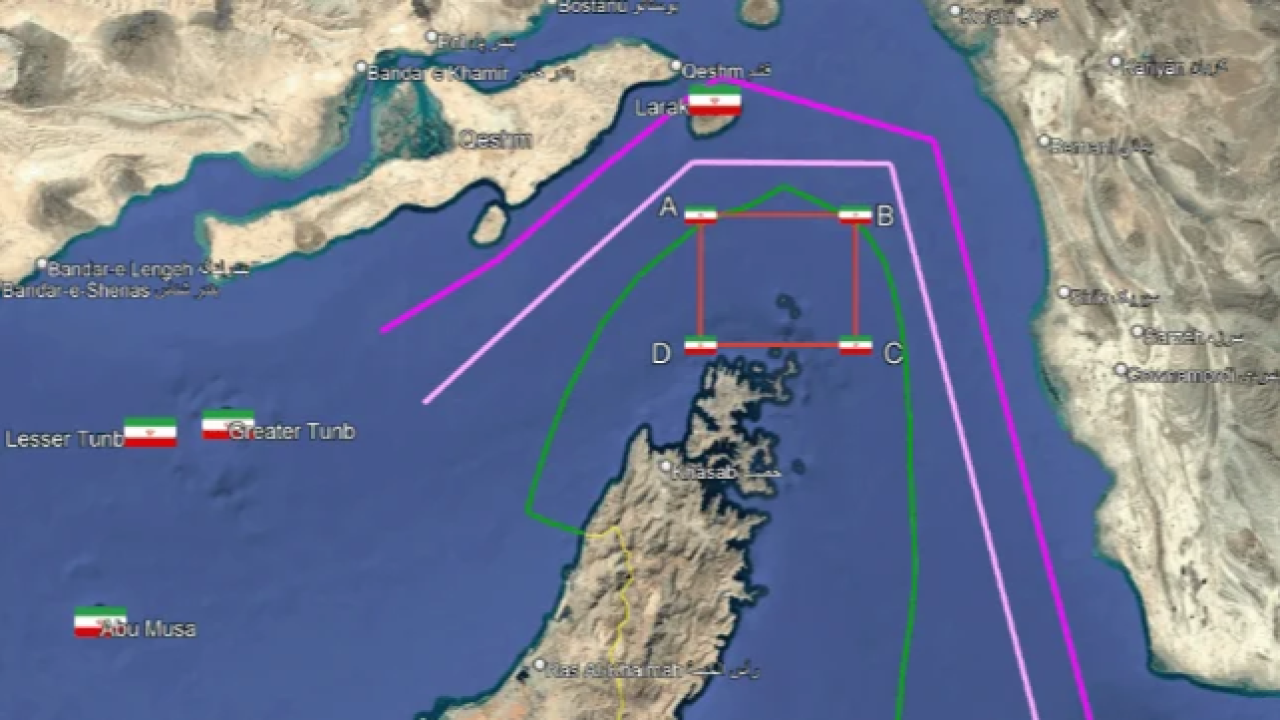
Middle East producers continue LNG and crude shipments despite vessel attacks in the Strait of Hormuz and renewed air strikes, reports Reuters.
Middle East producers pressed ahead with crude and liquefied natural gas shipments despite fresh attacks on vessels in the Strait of Hormuz and renewed air strikes, reports Reuters.
Shipping data showed a fourth Very Large Crude Carrier loading at Saudi Arabia's Ras Tanura terminal on Monday, even after a Saudi Aramco helicopter crash killed 14 people the previous day. Three other VLCCs loaded oil and went dark over the weekend, with one later reappearing en route to Japan.
Two VLCCs docked at a United Arab Emirates terminal to load crude, while smaller tankers also passed through Hormuz. Traffic remains below pre-conflict levels of 125 daily sailings, though 29 tankers crossed on June 24, the highest since hostilities began in February.
Iran accelerated oil loadings after Washington waived sanctions for 60 days, with simultaneous exports from Kharg Island for the first time in nearly a week. Maritime data showed Iranian-flagged VLCCs Dan and Hawk entering the strait, while about 8 million barrels of Emirati and Qatari crude moved out over the weekend.
Rising Gulf exports, which account for one-third of global oil supplies, pushed Brent prices down 10.6 percent last week, though weekend strikes lifted prices on Monday. Analysts said crude remains under downward pressure unless flare-ups reignite wider conflict.
On LNG, QatarEnergy's Al Kharaitiyat is heading to Kuwait after loading at Ras Laffan, while Al Kharsaah waits offshore. ADNOC's Mraweh is due to deliver to India's Dahej terminal on July 5, and QatarEnergy's Al Hamla is scheduled to reach China on July 3.