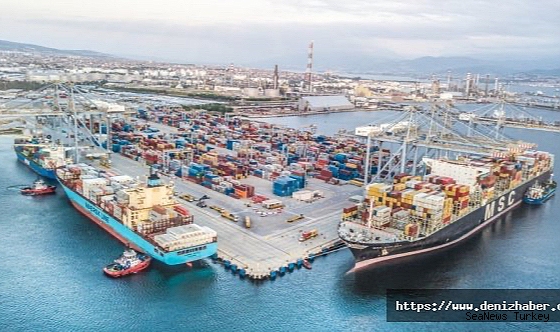
December's inventory reductions lower ocean demand but may increase trucking rates and tender rejections, according to American Shipper.
Shippers' aggressive drawdown of inventories in December has reduced ocean demand but is expected to drive higher trucking tender rejections and rates, reports American Shipper.
US Commerce Department data showed declines in business inventories, with restocking delayed and stocks cleared aggressively. Analysts said this lean approach is shifting freight toward higher velocity networks and raising pressure on carriers to accept tenders.
Eastbound transpacific container rates fell earlier than usual ahead of Chinese New Year on February 17. Carriers offered discounts and blanked sailings to balance supply and demand. Freightos analyst Judah Levine said the early slide reflected cautious retailers facing trade uncertainty.
Leaner inventories mean faster replenishment cycles, compressing lead times and increasing reliance on predictable trucking capacity. The National Retail Federation forecast January volumes six percent higher than December, though still five percent below last year.
Container lines are adapting. Maersk and Hapag-Lloyd's Gemini Alliance posted a 90 percent on-time record in 2025, far ahead of rivals, and proposed premium charges for reliable service.
On land, tighter replenishment cycles are expected to raise truckload spot and contract rates, with shippers favoring capacity that can meet strict deadlines. Analysts said importers may shift from intermodal to truckload for speed, though intermodal retains cost and carbon advantages if service holds.
Intermodal flows have changed since 2023, with peak volumes now occurring in December rather than earlier in the year. Analyst Larry Gross attributed the shift to more online consumer purchases compared with traditional retail.