US container imports rose 2% in December, while freight rates increased despite ongoing tariff discussions affecting trade dynamics.
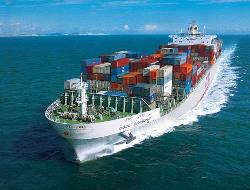
US containerised imports rose two per cent in December to 2.23 million TEU, though year-on-year volumes slipped 0.4 per cent as frontloading earlier in 2025 showed in the data, reported Singapore's Splash 247.
Imports from China were 706,000 TEU, down one per cent month-on-month and 31 per cent below the July 2024 peak of 1.02 million TEU. Planned US tariffs on furniture were delayed, providing relief for a category that accounts for 16 per cent of imports from China.
Despite erratic threats of tariffs on EU countries and Canada, transpacific trade has held up. Freight rates rose by about US$500 per FEU in early January, reaching $2,675 to the US west coast and $3,928 to the east coast, levels last seen in July 2025.
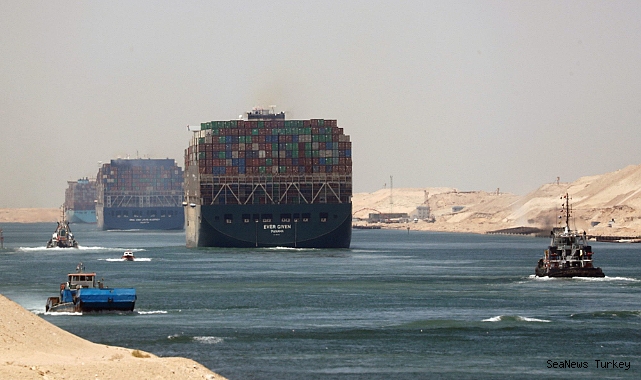
Spot rates on Far East-Europe routes began 2026 at $3,000 per FEU, the highest since August, before easing to $2,925 by January 21. Analysts expect a return to Suez Canal transits this year, which could lower long-term rates.
Asia-North Europe freight fell one per cent in January to $457 per FEU, while shortages of charter ships have prompted negotiations for vessels not due until 2027. There are now 203 megamax ships of over 18,000 TEU in service, with 175 more on order.
Transatlantic rates have remained stable, with US-Europe freight at $457 per FEU on January 21, little changed from the start of the month. Rates from Europe to South America also held steady.
The Freightos global average was $2,406 per FEU on January 21, up 13 per cent from December 19. January's monthly average of $2,443 is the strongest since July 2025, though below the $3,945 recorded in January last year.
The global fleet of 6,800 ships totalling 33 million TEU remains fully employed despite seven per cent capacity growth in 2025. Orderbooks stand at nearly 1,100 ships of 10.7 million TEU, with demand strong for panamax and feeder sizes.
Analysts expect liner companies to post higher-than-forecast profits for 2025, with funds available for newbuildings to meet Europe's FuelEU maritime regulations requiring low-emission capable ships.