Japanese dockers adapt to automation while facing wage declines and reduced cargo volumes due to offshore manufacturing shifts.
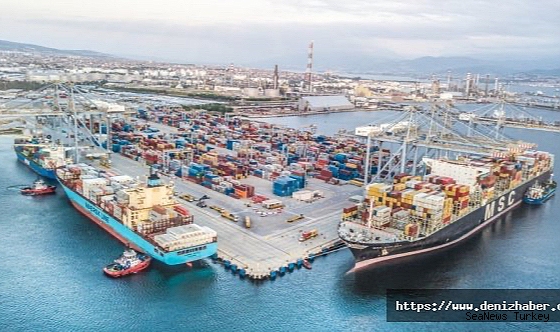
Dockers at Japanese ports have adjusted to greater electrification and automation, though wages and cargo volumes have declined as manufacturing shifted offshore, reports the American Journal of Transportation.
Union leaders stated that automation has introduced remote-controlled vehicles and electrified equipment since 2018, but workforce numbers remain stable. These changes are part of a Carbon Neutral Port Policy aimed at reducing emissions and replacing internal combustion engines with electric and hybrid-powered vehicles.
Shore power for ships, already mandated at California ports, has begun in Japan under a pilot project, according to union president Hajime Takeuchi.
Seiichi Suzuki noted that pay and benefits have eroded over four decades, with deflation and the relocation of manufacturing to Korea, Southeast Asia, and China reducing Japanese port volumes. Competing hubs such as Busan, Singapore, and Shanghai have gained ground.
Recruiting younger workers has proved difficult, Mr. Takeuchi said, because dock work is physically demanding and requires overtime to earn a living wage. Full-time dockers in Japan earn about one-quarter of their US West Coast counterparts, though living costs are lower.
Union leaders also voiced opposition to the military use of commercial ports and criticized Prime Minister Sanae Takaichi's remarks against China over Taiwan. They stated that diplomacy, not provocation, is more likely to preserve peace.