
Italy's cabinet empowers the navy to enforce a maritime blockade to curb irregular migration from North Africa, targeting NGO rescue operations.
The cabinet of Italian Prime Minister Giorgia Meloni has approved a new bill granting the navy the authority to implement a maritime blockade in order to stop irregular migration. If the bill comes into effect, the Roman administration will be able to use military force to deter migrant boats.
The bill, which constitutes the latest link in the Meloni government's long-standing policies aimed at reducing sea migration to Italy, particularly from the shores of Libya, is considered one of the most stringent measures to date.
Blockade authority for up to 30 days
The bill allows for the deployment of the Italian navy for up to 30 days in cases of 'extraordinary migration pressure' or 'serious threats to public order.' The government will also be able to exercise this authority due to risks of epidemics, threats of terrorism, or security reasons related to large events.
While the new regulation strengthens border surveillance, it also grants broader powers to the executive regarding the deportation of foreign nationals who commit crimes. However, the most notable element of the regulation is the provision for maritime blockade.
NGO rescue ships also targeted
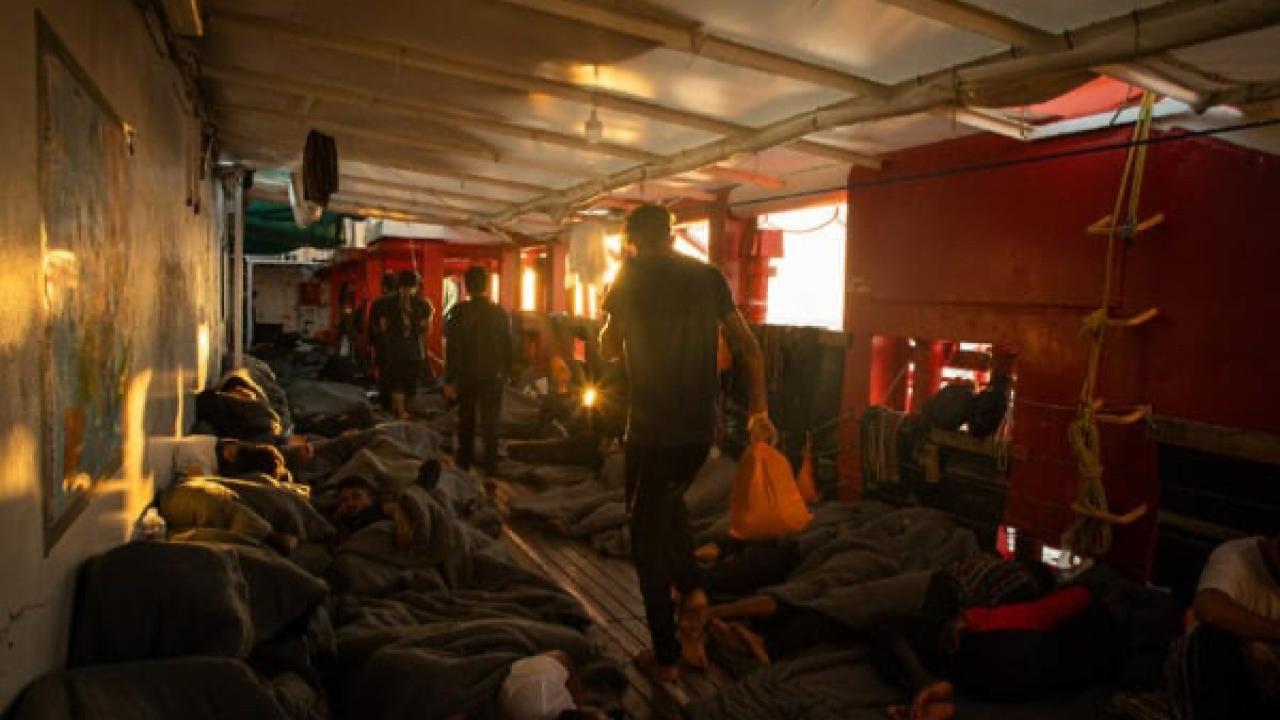
The bill effectively encompasses non-governmental organization (NGO) vessels that conduct search and rescue operations in international waters and bring migrants to Italian ports. The Meloni government had previously initiated various measures to limit the activities of these ships.
These measures included:
Limiting the number of migrants rescued per trip,
Redirecting ships to remote ports in northern Italy for disembarkation,
Seizing ships that do not comply with the rules and imposing fines.
If the new law comes into effect, ships that violate the blockade could face fines of up to approximately $60,000. Repeated violations would pave the way for the state to seize the vessels.
Migrants may be sent to third countries
The bill also allows for migrants intercepted at sea to be sent to third countries instead of their countries of origin.
The European Parliament has also approved a parallel regulation that permits the return of migrants to 'safe third countries' on the condition that an official agreement is made with an EU member state. This step is seen as the first phase in establishing EU-linked 'offshore return centers' where migrants will be processed in other countries.
Turkey, Georgia, Kosovo, Egypt, Tunisia, Morocco, India, and Bangladesh are included in the EU's list of safe countries. However, 39 human rights and rescue organizations have objected to Tunisia's inclusion on the list, citing evidence of mistreatment of migrants in the country.
Parliamentary approval is needed for it to come into effect
The maritime blockade regulation requires the approval of the Italian Parliament to come into effect.
Source: SeaNews Türkiye


