
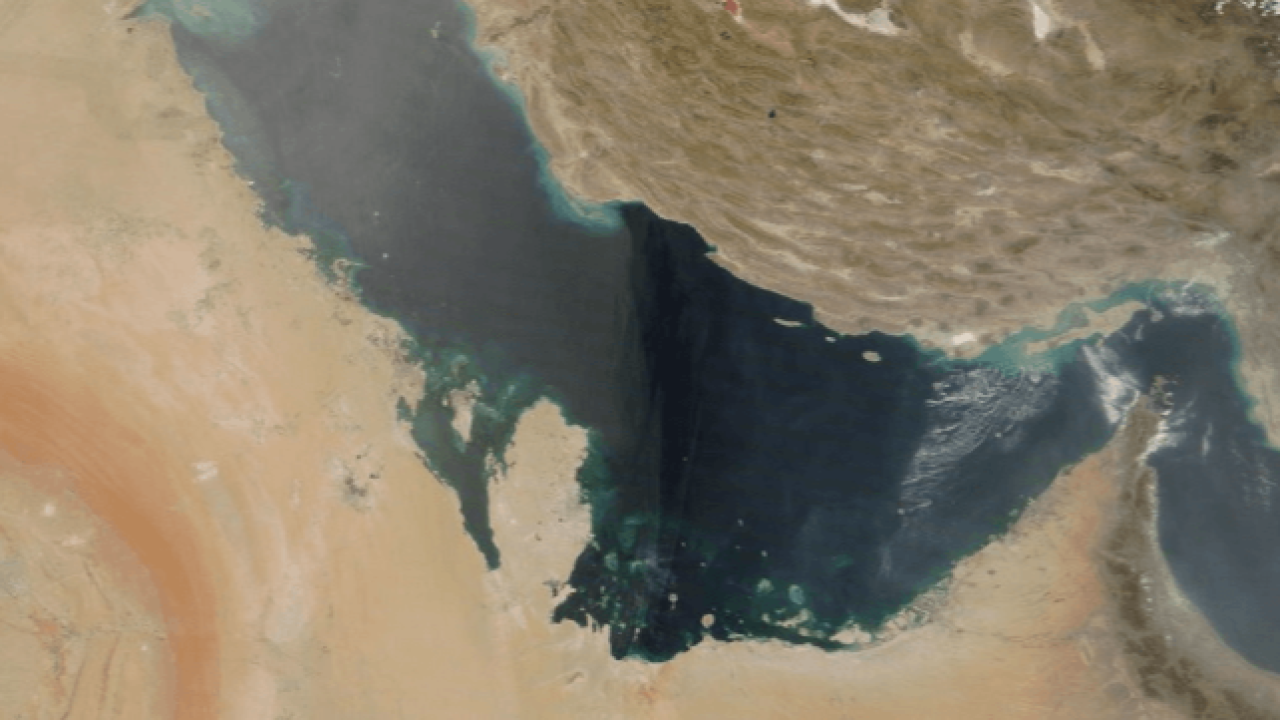
Iran will permit maritime traffic in the Strait of Hormuz during a two-week ceasefire, subject to specific conditions.
Iran has confirmed that, as part of the ongoing contacts with the administration of U.S. President Donald Trump, it will allow maritime traffic in the Strait of Hormuz under certain conditions during a two-week ceasefire period.
Ceasefire mediated by Pakistan
Following last-minute negotiations facilitated by the Pakistani government, Trump agreed to continue negotiations for two weeks within the framework of Iran's ten-point plan and to refrain from new attacks. Iran announced that it would halt its attacks and allow safe passage through the Strait of Hormuz, 'in coordination with the Iranian armed forces and taking into account technical limitations.'
The statement came from Araghchi
The statement made by Iranian Foreign Minister Seyed Abbas Araghchi was notable as it marked the first confirmation from Tehran regarding the White House's assessment of diplomatic progress.
Revolutionary Guards to remain on the ground
The statement indicated that the Islamic Revolutionary Guard Corps would continue to manage maritime traffic in the strait during and after the ceasefire process. It has been reported for weeks that the Revolutionary Guards have been implementing a toll system for passage between Qeshm and Larak islands, north of Hormuz. According to sector sources, at least 35 foreign commercial vessels have passed through the strait by paying these fees.
It was also noted that during the conflicts, Iran conducted attacks on vessels outside this corridor.
Ten-point plan and critical demands
The second item in the ten-point plan presented by Iran to the U.S. delegation calls for permanent control over the Strait of Hormuz. At the top of the list is the complete cessation of U.S. attacks.
Tehran also demands the lifting of all sanctions and the formal recognition of its nuclear enrichment activities. The Iranian Supreme National Security Council regarded the U.S. acceptance of the plan in principle as 'a great victory.'
Strait of Hormuz: The most critical condition of the ceasefire was Iran's reopening of the Strait of Hormuz, which is vital for global energy transit, to maritime traffic.
Duration: The agreement will last for two weeks (14 days) for now. During this period, the parties are expected to sit down in Islamabad, Pakistan, for a more permanent solution.
Lebanon Exception: Israeli Prime Minister Benjamin Netanyahu clearly stated that this ceasefire pertains to direct conflict with Iran but that operations against Hezbollah in Lebanon would not cease.
Reactions and situation on the ground
Despite the ceasefire news, brief mutual attacks continued between Iran and Israel. Israeli officials announced that the ceasefire would not cover operations against Hezbollah in Lebanon.
Markets reacted positively
The expectation of a ceasefire also reflected in energy markets. Brent crude oil prices fell below $100 per barrel from a level of $110, while WTI crude oil prices decreased by 15% to $95.
In U.S. stock markets, futures rose. Dow Jones and S&P 500 futures increased by approximately 2%, while Nasdaq futures recorded a 3% rise.
Source: SeaNews Türkiye


