Geopolitical tensions elevate Australia as Asia-Pacific's top LNG supplier, with rising prices and strategic investments despite domestic policy risks.
Geopolitical tensions in the Middle East are boosting Australia's position as Asia-Pacific's leading liquefied natural gas supplier, reports Moody's Ratings.
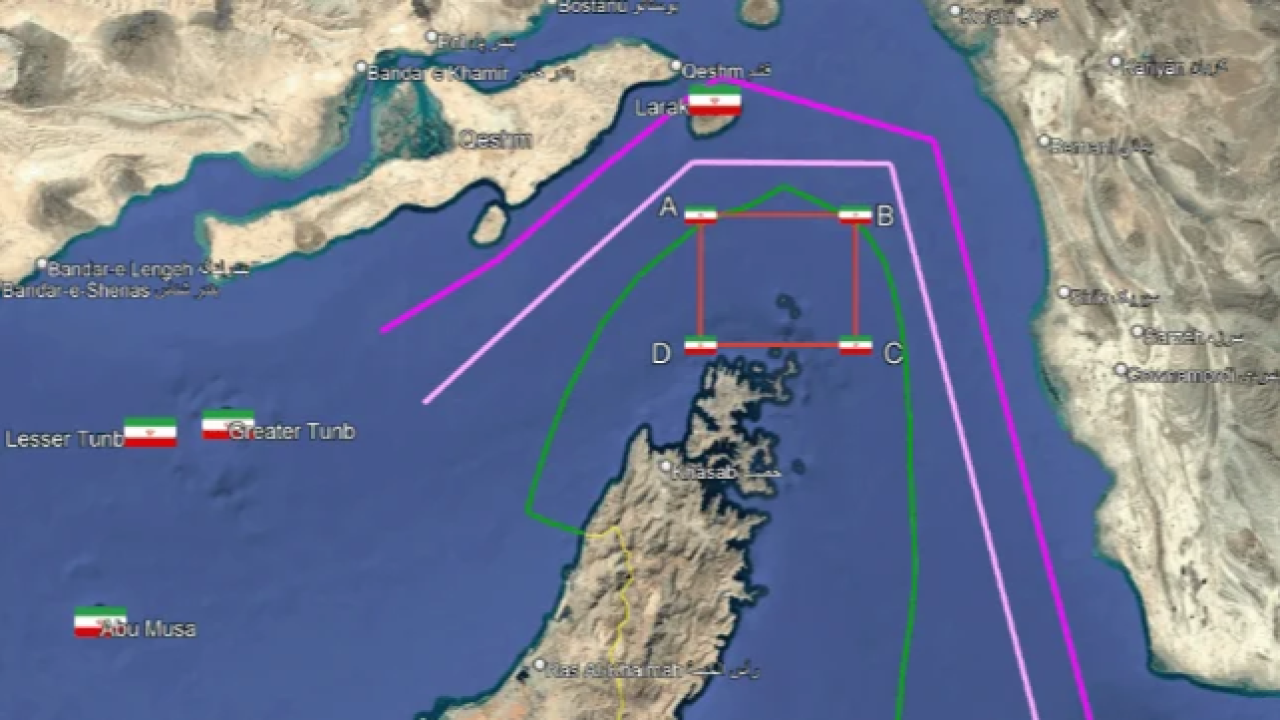
Disruptions in the Strait of Hormuz, through which around 20 percent of global LNG trade passes, have sharply repriced supply security across Asia. Spot prices have surged as buyers seek alternatives to conflict-exposed sources. Australia, the world's second-largest LNG exporter, is well placed to benefit given its proximity to China, Japan, and Korea, as well as its diversified export routes.
Moody's stated that Australia's LNG producers stand to gain from stronger realized prices; however, domestic policy risks will limit credit strength. A mandatory 20 percent gas reservation requirement from July 2027 will divert export volumes to the domestic market, constraining long-term growth. Even so, LNG's strategic role in the energy transition will continue to attract foreign investment.
The Iran conflict has already cut regional imports. Pakistan saw inflows fall 67 percent year-on-year in March 2026, while India recorded a 16 percent decline and imposed emergency rationing. China's imports dropped 30 percent, while Japan and Korea were partly shielded by nuclear and coal restarts. Missile strikes on Qatar's Ras Laffan complex reduced 17 percent of its export capacity, with repairs expected to take up to five years, delaying global supply expansion.