A Kuwait-flagged tanker was attacked near Dubai, escalating the Iran conflict and threatening global energy security, reports Modern Diplomacy.
A Kuwait-flagged crude tanker carrying about two million barrels of oil was struck and set ablaze near Dubai, marking a major escalation in the Iran conflict and exposing the vulnerability of Gulf energy infrastructure, reports Paris-based Modern Diplomacy.
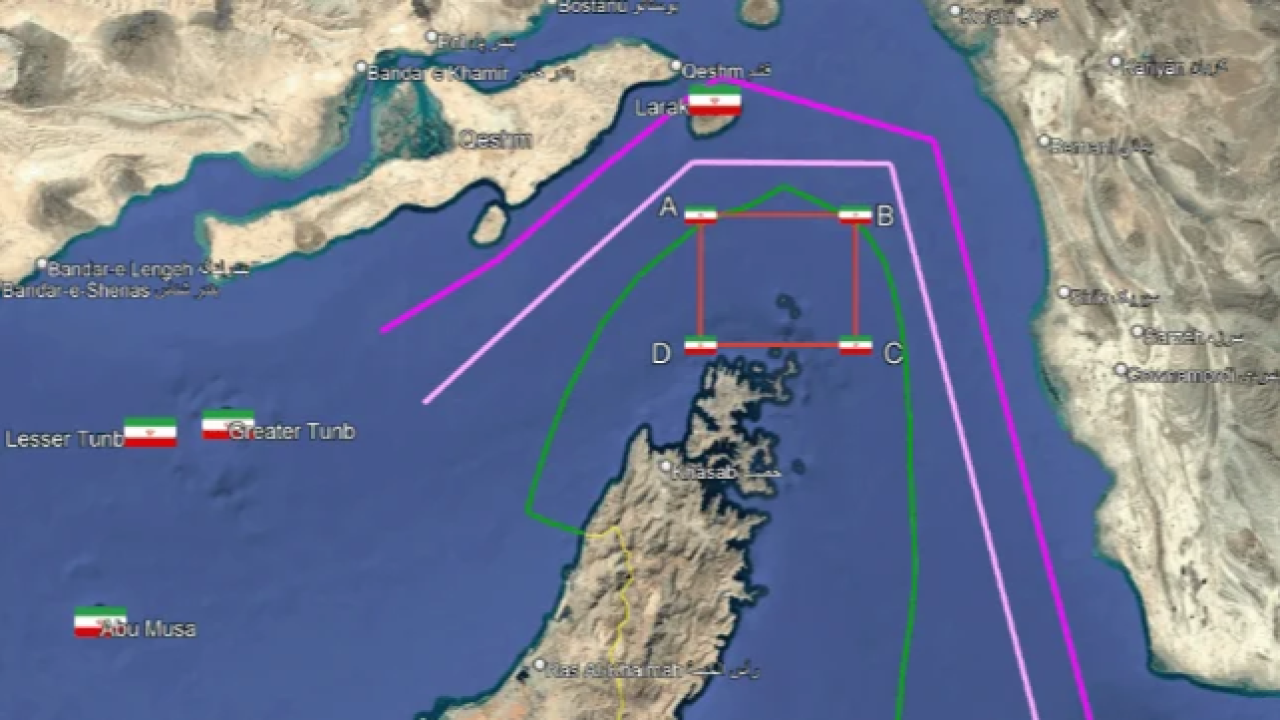
The attack comes as US President Donald Trump warned that Washington could target Iran's energy facilities if Tehran does not reopen the Strait of Hormuz, which handles nearly one-fifth of global oil and gas flows.
Analysts said the strike signals a shift from symbolic confrontation to direct targeting of global energy lifelines. Even a single attack can trigger oil price volatility, higher shipping and insurance costs, and wider market disruption.
The conflict has expanded geographically, with Iran intensifying missile and drone strikes, Israel hitting infrastructure in Tehran and Lebanon, and Houthis launching attacks from Yemen. US forces, including the 82nd Airborne Division, are deploying to the region.
Oil prices spiked after the tanker strike, with US gasoline costs crossing US$4 per gallon. Any sustained disruption in the Strait of Hormuz could severely constrain global supply and trigger inflationary shocks worldwide.
Diplomatic efforts continue, with Iran receiving proposals via intermediaries and Washington signaling openness to talks while issuing threats. Trump's approach mixes negotiation with coercion, adding uncertainty to markets and diplomacy.
The strike underscores how energy infrastructure has become a primary battlefield. Targeted disruptions of shipping routes and oil facilities amplify the global impact, turning the conflict into a systemic risk for trade, energy security, and economic stability far beyond the Middle East.