Iran's capture of MSC vessels in Hormuz underscores trade weaponization amid rising tensions, warns Xeneta and maritime experts.
Iran's seizure of two MSC containerships in the Strait of Hormuz highlights the 'weaponisation of trade' amid escalating tensions, reports Ventura, California's gCaptain.
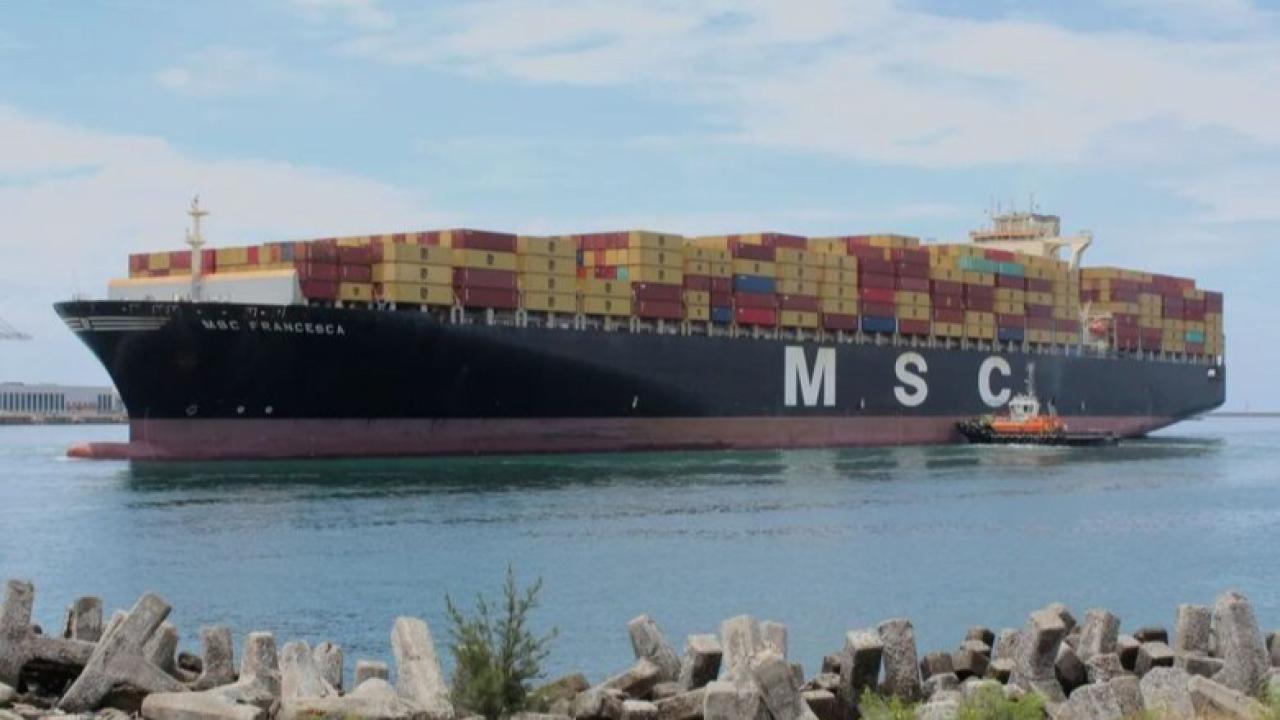
Hours after US President Donald Trump extended a ceasefire but maintained a naval blockade, Iran's Islamic Revolutionary Guard Corps (IRGC) was reported to have seized the 11,660 TEU MSC Francesca and the 6,690 TEU MSC Epaminondas. Analysts stated that this move underscored Tehran's willingness to retaliate against commercial shipping.
Peter Sand of Xeneta remarked that the Strait remains unsafe despite the ceasefire. 'Both sides recognise the pain they can inflict with a bottleneck in Hormuz,' he said. The two MSC vessels were among six that transited Hormuz over the weekend with AIS signals switched off until they were clear of the Gulf.
The seizures revived memories of the 2024 capture of MSC Aries, when Iranian commandos boarded the Israeli-linked ship in a helicopter raid. The latest incidents occurred as shipping data revealed 43 merchant transits on Saturday, including 10 containerships, marking the highest daily tally since late February but still far below normal levels.
The UN's International Maritime Organisation (IMO) chief Arsenio Dominguez condemned the attacks as unacceptable and urged the immediate release of the ships and crews. He warned that merchant seafarers face intolerable conditions, including missile threats, rationing of supplies, and poor communication with families. The IMO estimates that 20,000 seafarers remain stranded aboard 3,200 vessels in the Gulf.
Xeneta noted that container spot rates from China to Jeddah fell 11 percent in April to US$4,969 per FEU, though this figure remains 63 percent above pre-conflict levels. Analysts indicated that land bridge routes are easing some pressure but cannot replace open maritime access through Hormuz.