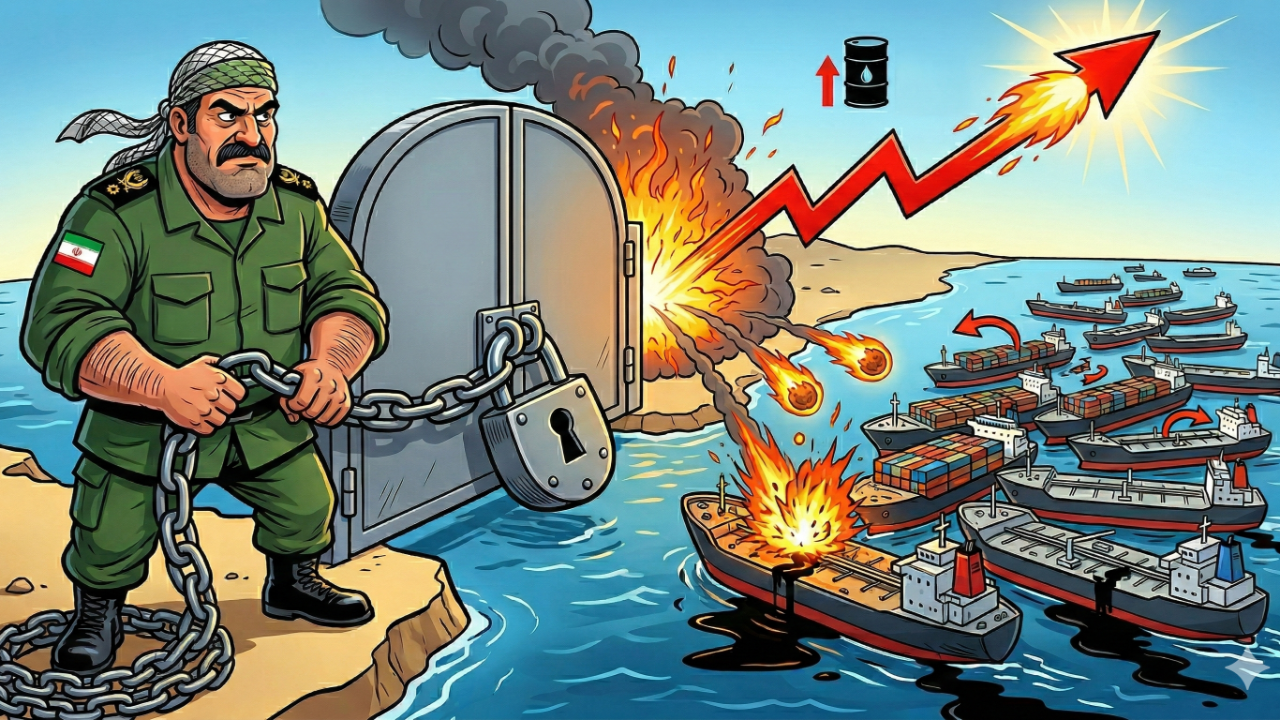
Indian sailors trapped in Iran during the Strait of Hormuz blockade faced missile strikes, food shortages, and fears of never returning home.
Indian sailors trapped in Iran during the Strait of Hormuz blockade described nightly missile strikes, food shortages, and fear of never returning home, reported Reuters.
Tithi Chiranjeevi, 28, said 10 to 20 missiles struck nightly near Khorramshahr port, leaving crews unable to sleep. He returned last week after a 15-day journey through Iraq, Armenia, and Dubai, following six months aboard the Iranian vessel Ilda.
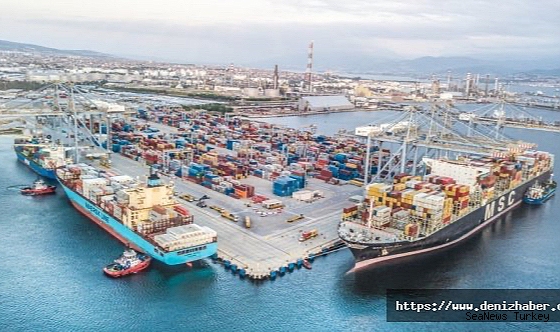
The ship was among 2,000 stranded in the 104-mile waterway that carries one-fifth of global oil and LNG supplies. Violence has killed at least three Indian seafarers since February, when the conflict began. Before the war, about 138 ships passed through Hormuz daily, according to the Joint Maritime Information Centre.
Chiranjeevi said food ran out and communications collapsed, leaving him unable to contact his widowed mother in Visakhapatnam. Fellow sailor Anant Singh Chauhan feared he would not see his parents in Uttar Pradesh again. 'Sometimes, we used to feel we wouldn't be able to make it back home,' he said.
India is among the world's top three suppliers of seafarers, with a workforce of 300,000 as of September last year. The government said it has repatriated about 3,000 sailors from the Gulf, including 23 this week.
Both men said they borrowed heavily to secure jobs, paying fees of INR450,000 (US$4,800) each. Despite debts and lost savings, Chauhan said returning felt like 'a rebirth,' speaking in Mumbai as he looked out at the Gateway of India and the Taj Mahal hotel.