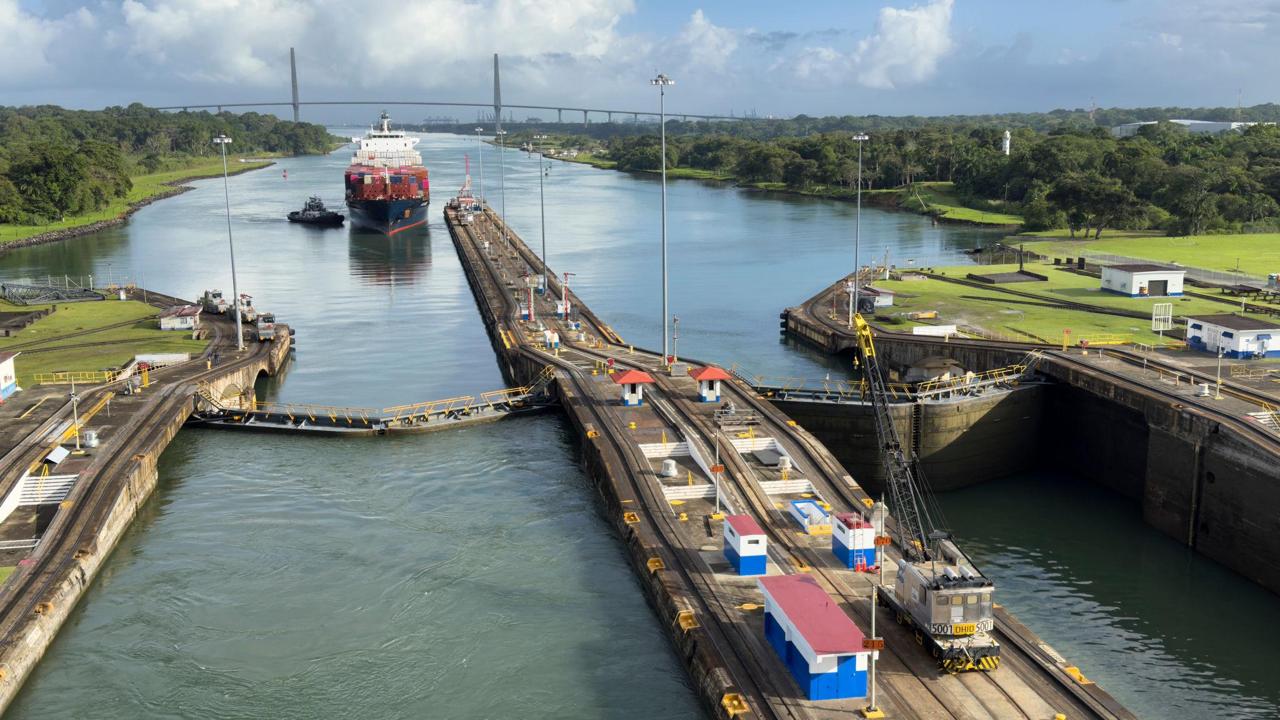
Container ship delays hit a record high in Q2 2026 due to the Hormuz conflict, yet major carriers maintained strong schedule reliability, reports S&P Global.
Container ship delays in the second quarter of 2026 reached their highest Q2 level since 2022 due to the Strait of Hormuz conflict. However, leading carriers maintained strong schedule reliability, reports London's S&P Global.
Sea-Intelligence noted that late vessels missed arrivals by an average of 5.49 days, compared to less than five days in the same period of 2025. Pre-2020 averages were between three and four days. The closure of Hormuz forced rerouting and congestion at alternative ports.
Westbound transits through Hormuz fell from 10 or more daily before March to about one every two days. Khorfakkan terminal in the UAE saw 158 container ship calls in the second quarter, up from 40 in the first, reflecting diverted traffic.
Most carriers experienced reliability falling well below historical averages. Sea-Intelligence reported that systemic disruptions affected lines lacking strong network buffers.
Maersk, Hapag-Lloyd, and MSC formed a top tier, each achieving above 70 percent global reliability. Maersk rebounded to 76.9 percent, Hapag-Lloyd reached 75.6 percent, and MSC held at 70.9 percent. On east-west trades, Maersk and Hapag-Lloyd under Gemini achieved over 90 percent reliability.
MSC's Asia-North Europe service posted 75.3 percent reliability, its Mediterranean service 81.4 percent, and its Asia-US West Coast service 73.8 percent. Ocean Network Express also improved to 58.5 percent.
Xeneta's eeSea data showed global reliability slipping to 36.6 percent in June from 39.3 percent in May.