Turkey's flat steel industry grapples with cost pressures and protective measures, as highlighted at the SteelOrbis Market Talks in Istanbul.
Turkey's flat steel sector continues to face threats from cost pressures and protective measures.
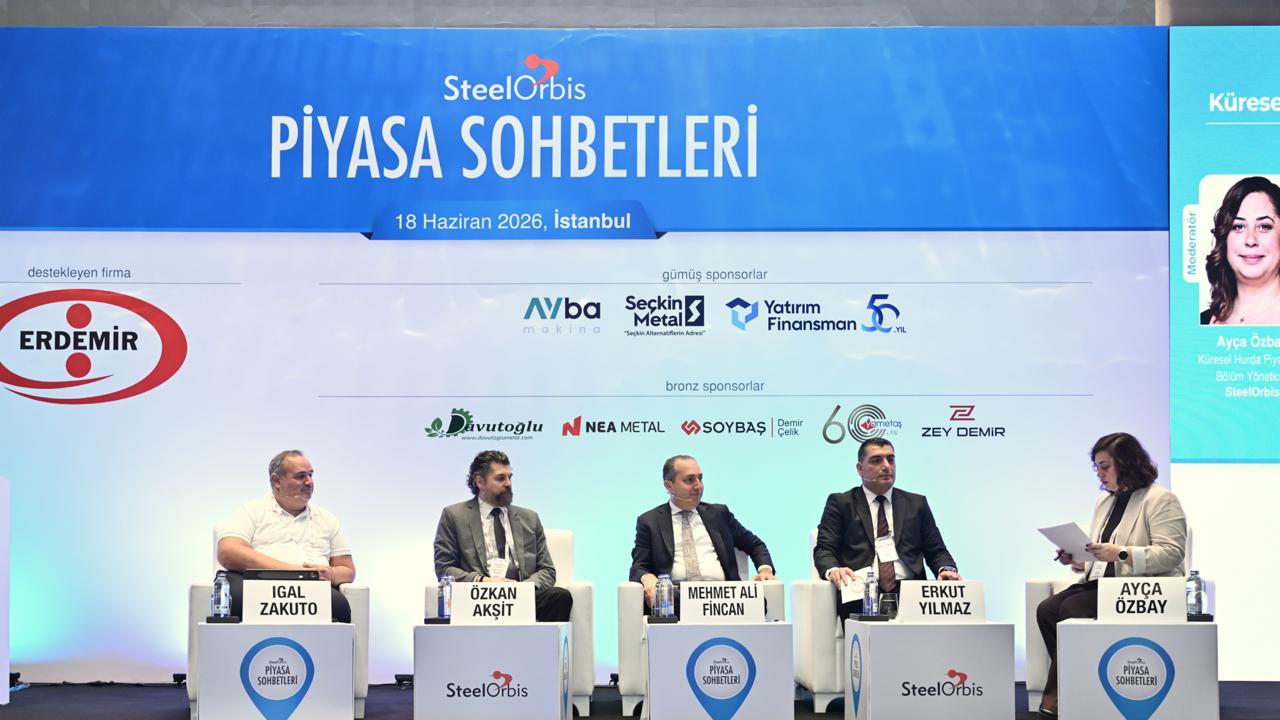
The Market Talks organized by SteelOrbis on June 18, 2026, at the Swissôtel The Bosphorus in Istanbul brought together industry representatives with a record attendance of over 750 participants. The sponsors of the event, supported by Erdemir, included Ayba Makina, Seçkin Metal, Yatırım Finansman, Davutoğlu Metal, Nea Metal, Soybaş Demir Çelik, Yametaş, and Zey Demir. The meeting addressed the changing balances in global steel trade, the EU's new protective measures, energy and logistics costs, the trend of flat steel demand in Turkey, financing pressures, and expectations for the second half of 2026.
In his opening speech, Tolga Koçer, Director of Distribution Channels and Long Products Sales and Marketing at OYAK Mining Metallurgy, stated that the steel sector has been grappling with high volatility, supply chain issues, and geopolitical crises since the pandemic. Koçer noted that issues such as quotas, carbon taxes, oversupply, and the promotion of domestic products continue to shape the direction of the sector, emphasizing that protectionism is now implemented through simultaneous and multilayered policies rather than singular measures.
Koçer also pointed out that the security of raw materials and energy is becoming increasingly critical for the steel sector, highlighting the strategic importance of steel. He stated that the advanced state of steel production in Turkey is one of the key elements for progress in areas such as the defense industry, shipbuilding, submarine, and aircraft carrier projects. He mentioned that OYAK Mining Metallurgy has invested $4 billion over the past five years and will continue its investments towards a net-zero carbon goal by 2050.
Protectionism and cost pressures are prominent in global trade.
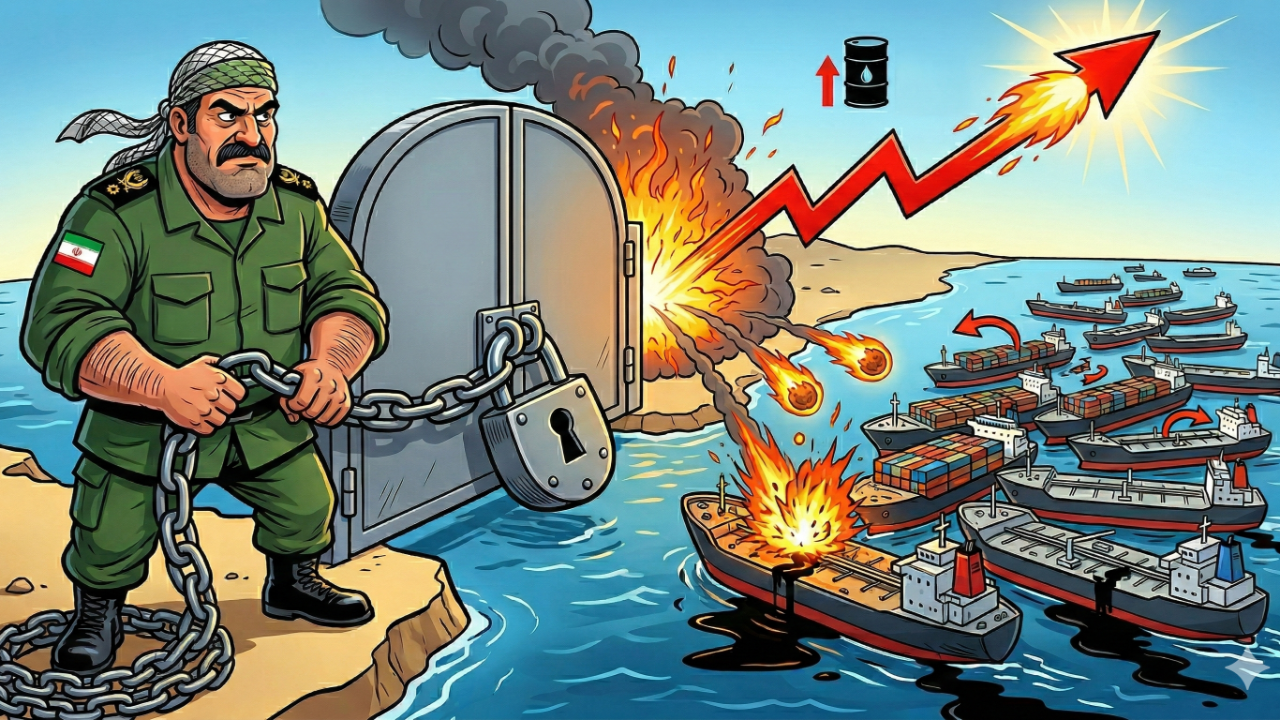
In the first session titled 'New Balances in the Global Steel Market: Risks and Opportunities for Turkey,' the impact of developments centered around the Strait of Hormuz on energy, freight, and raw material costs, the strength of Asian supply, the EU's new protective measures, and Turkey's position against dumped products were evaluated.
Özkan Akşit, Purchasing Director for Steel Pipes at NOKSEL, stated that the increase in energy and logistics costs has created significant pressure, especially in fixed-price contracts, as projects are often budgeted in advance, and sudden cost increases can lead to delays or cancellations of projects.
Mehmet Ali Fincan, General Manager of Yametaş Flat Metal Products and a Board Member of YİSAD, expressed that imports provide an indispensable source of diversity for the Turkish steel market, but a clear price advantage is now required to connect with Asia. According to Fincan, although alternative sources such as Indonesia, Vietnam, and Malaysia have come into play alongside China, the increase in freight costs and the narrowing price gap make purchasing from Asia less attractive under current conditions.
Erkut Yılmaz, Marketing and Sales Director for Pipe and Profile at OYAK Mining Metallurgy, stated that the volatility in energy and raw material prices poses a significant risk for producers, but thanks to Erdemir and İsdemir's cost management, raw material basket optimization, energy efficiency investments, and advanced forward sales capabilities, this volatility is not directly reflected to customers. Yılmaz also mentioned that Erdemir and İsdemir plan to invest $3.2 billion in transformation to reduce carbon emissions.
RZK Steel's Deputy CEO and Strategist Igal Zakuto stated that the difference in global competition is now created not only by production capacity but also by the ability to process steel according to customer needs. According to Zakuto, steel service centers serve as a critical bridge between producers and end-user industries, and Turkey is in a favorable position in this area due to its strong infrastructure.
EU measures increase the importance of local raw steel.
The session highlighted the EU's new protective measures, shrinking quotas, the increase of the tax on quota overruns to 50%, and the requirement to determine the origin of raw steel that is melted and cast. Mehmet Ali Fincan noted that the EU has introduced regulations that have made imports more difficult for years, but the need for imports in Europe has not completely disappeared. Özkan Akşit stated that shrinking quotas complicate export planning, while demand continues for certain product groups in Europe.
According to Erkut Yılmaz, Turkey becoming a transit point for dumped products to Europe as a result of the EU's measures could undermine the country's position as a reliable supplier. Therefore, local raw steel production will become more important for export-oriented industries in terms of origin transparency and certification.
Zakuto also mentioned that as the EU market tightens, the risk of tonnage that cannot find a place in the world turning towards Turkey increases. He pointed out that due to Turkey's strong steel consumption and processing capacity, it could become a target market, emphasizing the need to maintain a clear line between competition and unfair competition. According to Zakuto, while competition enhances quality and efficiency, sales below cost weaken both domestic producers and the industry in the long run.
Demand for flat steel signals cautious recovery.
In the second session titled 'Where is Demand for Flat Steel Going? Sectoral Dynamics and Expectations in Turkey,' the sectoral outlook of flat steel demand in Turkey, the impact of the high-interest environment on purchasing behavior, and expectations for the second half of 2026 were evaluated. Sevi Koçak, Marketing Manager at OYAK Mining Metallurgy, stated that flat steel consumption in Turkey is approximately 19 million tons, noting that flat steel consumption increased by 9% in the first four months of 2026. Although seasonal stagnation is felt in the summer months, a recovery is expected in the last quarter in the white goods and automotive sectors.
Ahmet Soybaş, Deputy General Manager of Soybaş Demir Çelik, indicated that the year 2026 is entered with expectations of declining interest rates and inflation, but geopolitical developments have altered these expectations. According to Soybaş, while the potential for price increases due to war initially supports demand, companies are avoiding working with large stocks due to high financing costs. As the market shifts towards products with high stock turnover, despite an increase in forward purchasing requests, the number of companies with the financial strength to make forward sales remains limited.
Atıf Ceritbinmez, Founding Partner and Chairman of CRT Metal, stated that there is a shift in product composition towards coated, qualified, and value-added products. He noted that demand for these products is increasing in the automotive, white goods, and machinery industries, expressing that Turkey is struggling with its competitiveness due to high energy costs and dependence on raw material imports.
The panelists' common assessment regarding the second half of 2026 was one of cautious recovery. Sevi Koçak particularly noted that he expects a recovery in the last quarter, while Ahmet Soybaş stated that if the war ends, uncertainties in Europe decrease, and inflation in Turkey starts to decline again, interest rate cuts could signal a recovery for the market.
Following the sessions, Dr. Barış Esen, Corporate Communications Director at Yatırım Finansman, and Gizem Öztok Altınsaç, Chief Economist at TÜSİAD, presented on the effects of geopolitical developments on the economy and markets, expectations for the post-war period, and the reflections of financial conditions on the real sector.
Source: SeaNews Türkiye