
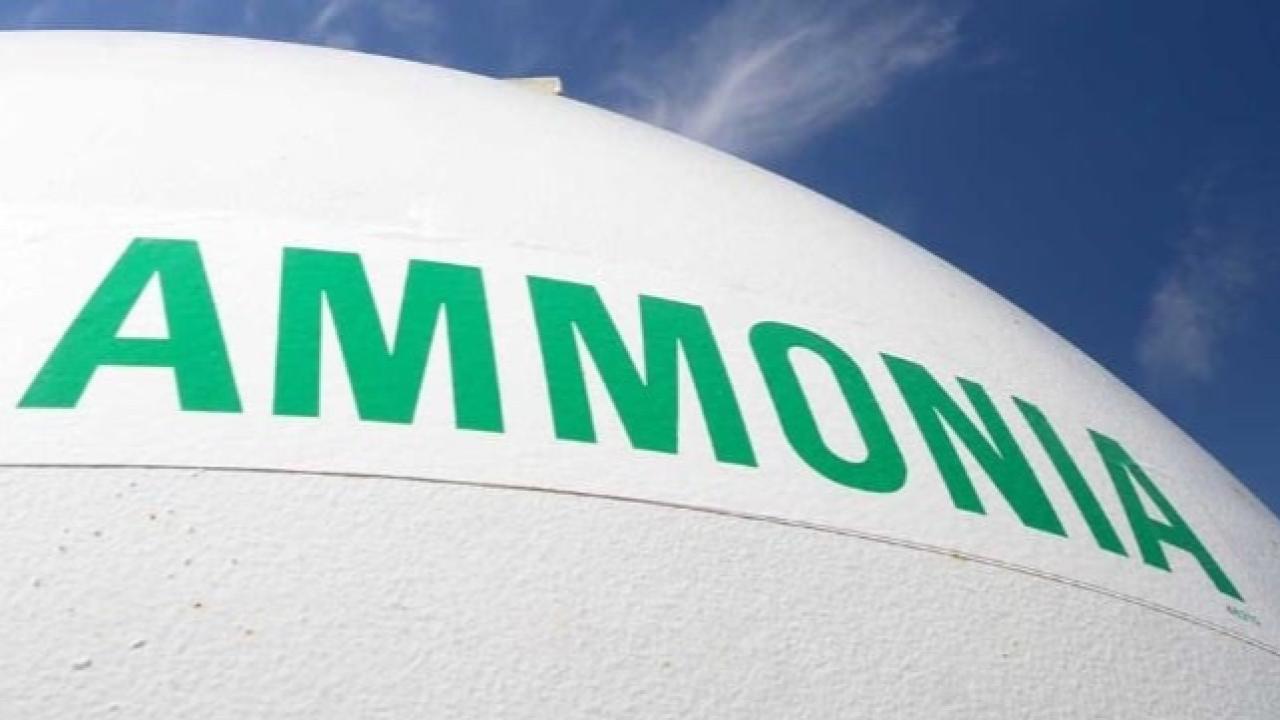
Ammonia-powered ship engines raise environmental concerns over high-concentration waste, prompting discussions at the IMO on disposal regulations.
The emergence of ammonia-powered ship engines in the search for carbon-neutral fuels is bringing forth a new environmental debate in the maritime sector. Each engine room produces wastewater, while ammonia-fueled systems generate a new waste stream containing dissolved, high-concentration ammonia during maintenance processes. The disposal of this waste was brought up at the International Maritime Organization (IMO) Pollution Prevention and Response (PPR) Sub-Committee meeting.
While ammonia is an effective fuel in its anhydrous state, it is considered hazardous to human health. Therefore, the fuel lines must be purged of ammonia prior to maintenance. Gaseous ammonia is typically rendered safe by being dissolved in water; however, the final disposal of the resulting strong ammonia solution is emerging as a new regulatory issue.
Two main options are being discussed at the IMO. The first is to establish a controlled discharge standard at sea under certain limits and conditions. Industry representatives support this approach as it is more cost-effective and propose a model similar to the bilge water application. Some member states also raised the possibility of conditional discharge permits for ammonia wastewater at the PPR meeting.
In contrast, environmental organizations and some experts are firmly opposed to the discharge of ammonia waste into the sea. NGOs argue that even if the concentration is reduced below acute toxicity levels, the risks of chronic toxicity and excessive nitrogen loading in the marine environment persist. They warn that excess nitrogen entering the oceans can lead to algal blooms and deoxygenation, creating harmful conditions for fish and other marine life.
Dr. Lucy Gilliam, Co-Executive Director of One Planet Port, stated that the sector could create opportunities for reuse by keeping the waste on board and discharging it on land, saying, 'This is not just a matter of toxicity; it’s about preventing additional harm to an already stressed ocean system.'
Civil society organizations are demanding a ban on the discharge of ammonia waste into the sea and making it mandatory to store it on board and discharge it at port facilities. It is also emphasized that the waste could be collected on land and utilized in other industries. Anaïs Rios, a Board Member of the Clean Shipping Coalition, stated, 'If ammonia fuel is used, the waste should not mix with the sea; ocean health must not be compromised.'
With the increasing use of ammonia fuel, how this new type of waste will be managed will continue to be a significant policy topic between the maritime sector and regulators in the coming years.
Source: SeaNews Türkiye


