
Seafarers are vital to global trade but face significant challenges. Industry leaders must prioritize their welfare for a sustainable maritime future.
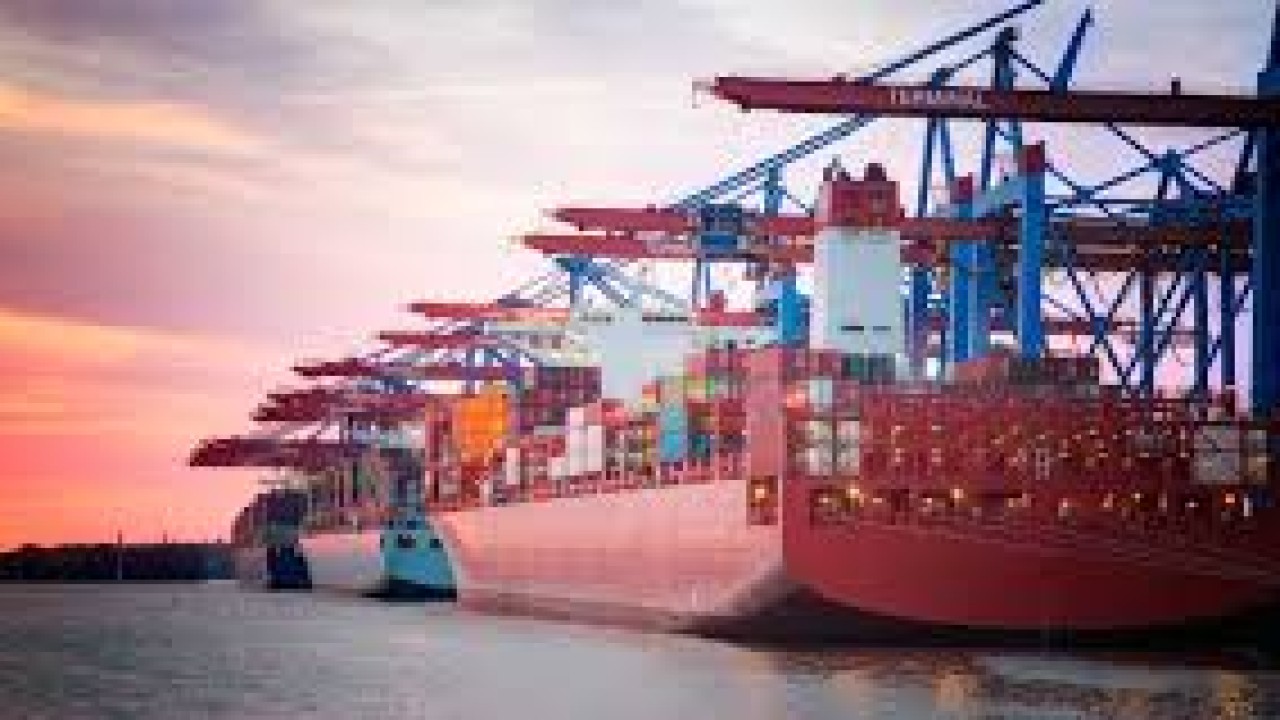
Seafarers remain central to global trade, enabling more than 80 per cent of commerce. However, they face mounting pressures from decarbonisation, digitalisation, automation, and geopolitical disruption, reports New Delhi's Observer Research Foundation.
Industry leaders are increasingly urged to treat seafarer welfare not merely as a compliance obligation but as a strategic foundation for sustainable and resilient maritime ecosystems.
Despite their crucial role, crews endure long periods at sea, fatigue, limited access to welfare services, uncertainty over reskilling, mental health concerns, and exposure to conflict and climate disruptions. These challenges highlight the need for stronger support systems and policy frameworks.
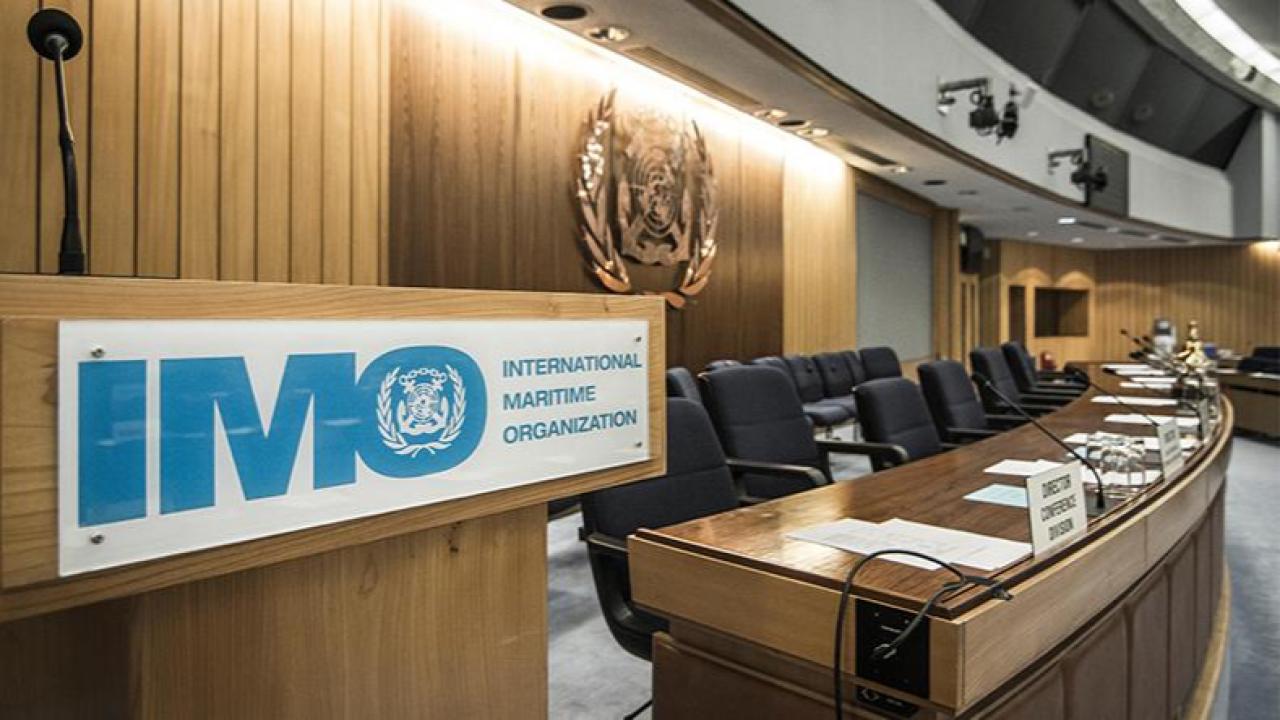
The International Maritime Organization's Day of the Seafarer, observed annually on 25 June, provides an opportunity to reflect on these issues and advocate for reform.
A roundtable will gather policymakers, port authorities, shipping companies, educators, and welfare organisations to explore how to build inclusive and secure environments for seafarers.
With India among the world's largest suppliers of seafarers, the discussion will also examine how the country can strengthen welfare, skilling, and reskilling frameworks to prepare its workforce for emerging maritime opportunities.