CMA CGM and DSV have signed a partnership to implement low-carbon transport solutions, aiming to cut 12,000 tonnes of CO2 emissions over two years.
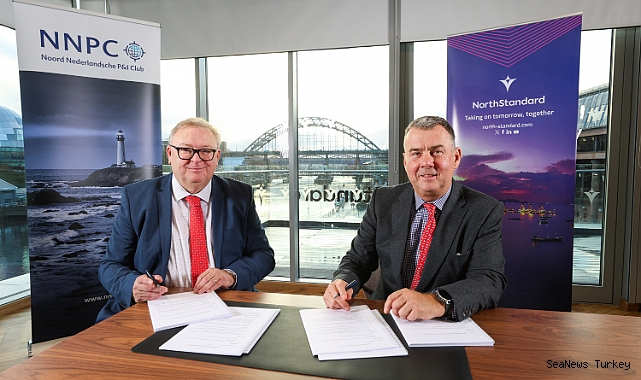
Multiple international industry sources have reported that liner shipping giant CMA CGM and freight forwarding major DSV have entered into a formal cooperation agreement. Under the terms of the arrangement, DSV will adopt CMA CGM's ACT+ low-carbon transport solution, targeting a reduction of 12,000 tonnes of CO2 emissions over a two-year period. These reductions will be achieved through the deployment of low-carbon fuels, including biofuels derived from second-generation used cooking oil methyl ester (UCOME).
The new agreement deepens an existing partnership between the two companies, reinforcing DSV's commitment to achieving net-zero emissions across its own operations and entire value chain by 2050.
Michael Hollstein, Senior Vice President of Global Ocean Products at DSV, noted that decarbonising global supply chains demands coordinated, multi-stakeholder action and solutions capable of scaling at pace. The collaboration with CMA CGM, he stated, will expand the range of low-carbon shipping options available to DSV's customers.
Amandine Paulet, Vice President at CMA CGM, affirmed that the partnership demonstrates how cross-industry collaboration can simultaneously advance sustainable development across the logistics sector and deliver practical, actionable solutions for customers.
CMA CGM has long maintained a strategic commitment to decarbonisation investment, positioning itself as a pioneer in the operational deployment of biofuel- and liquefied natural gas-powered vessels. Through a combination of operational optimisation, energy diversification, and technological innovation, the group is targeting net-zero carbon emissions by 2050. To address growing customer demand for greener supply chains, CMA CGM developed the ACT+ low-carbon transport solution - a purpose-built offering designed to measurably reduce clients' CO2 footprints.
The solution draws on a range of low-carbon fuel types, including second-generation UCOME biofuel and bio-LNG. CMA CGM has indicated that, relative to conventional marine fuels, the ACT+ service is capable of delivering CO2 reductions of up to 83% - a tangible demonstration that the group's decarbonisation ambitions are translating into verifiable, customer-facing outcomes.