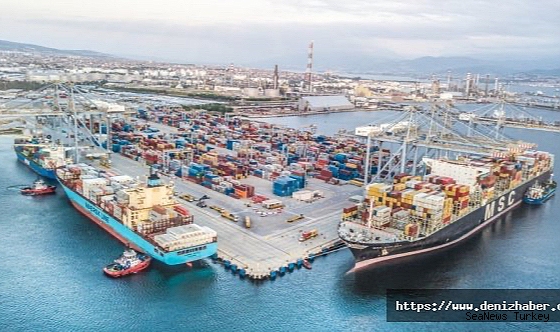
Chittagong Port's container backlog hampers efficiency, raising costs for businesses and disrupting supply chains across Bangladesh.
Chittagong Port, Bangladesh's largest maritime hub, is facing a prolonged backlog of import containers, hampering efficiency and increasing costs for businesses.
Thousands of containers remain stranded for extended periods, some for years, due to slow customs processes, legal disputes, and delays in handling abandoned cargo. According to The Business Standard, these issues undermine the port's operational capacity and disrupt the flow of goods.
Customs clearance is one of the primary bottlenecks. It typically takes eight to ten days to assess imported goods, while demurrage charges begin accruing after only four days. This gap forces importers to bear additional costs before completing customs formalities. Prolonged detention not only increases expenses but also disrupts the supply of critical goods, with some cargo at risk of damage or depreciation. For freight forwarders, delays lead to higher storage fees, container detention, and delivery disruptions, worsening the overall supply chain performance.
As of June 2026, around 9,330 TEUs of containers remain stuck at the port, accounting for 22% of its yard capacity. This congestion significantly hinders throughput and adds pressure to Bangladesh's import and export operations. Moreover, over 600 cases tied to customs disputes and legal proceedings prevent many containers from being released or auctioned. The lengthy process for resolving these cases, which includes valuation assessments, regulatory approvals, and electronic auctions, further delays the clearance of detained cargo.
The congestion at Chittagong Port affects more than just port operations; it disrupts procurement cycles, container turnover, and transportation planning across supply chains. Port authorities are working to clear the backlog, but the involvement of multiple regulatory layers means a resolution is unlikely in the near future. For businesses operating on Bangladesh routes, monitoring progress and preparing contingency plans is essential to maintaining supply chain stability.