
China calls for safe navigation through the Strait of Hormuz as conflicts escalate due to US and Israeli actions against Iran.
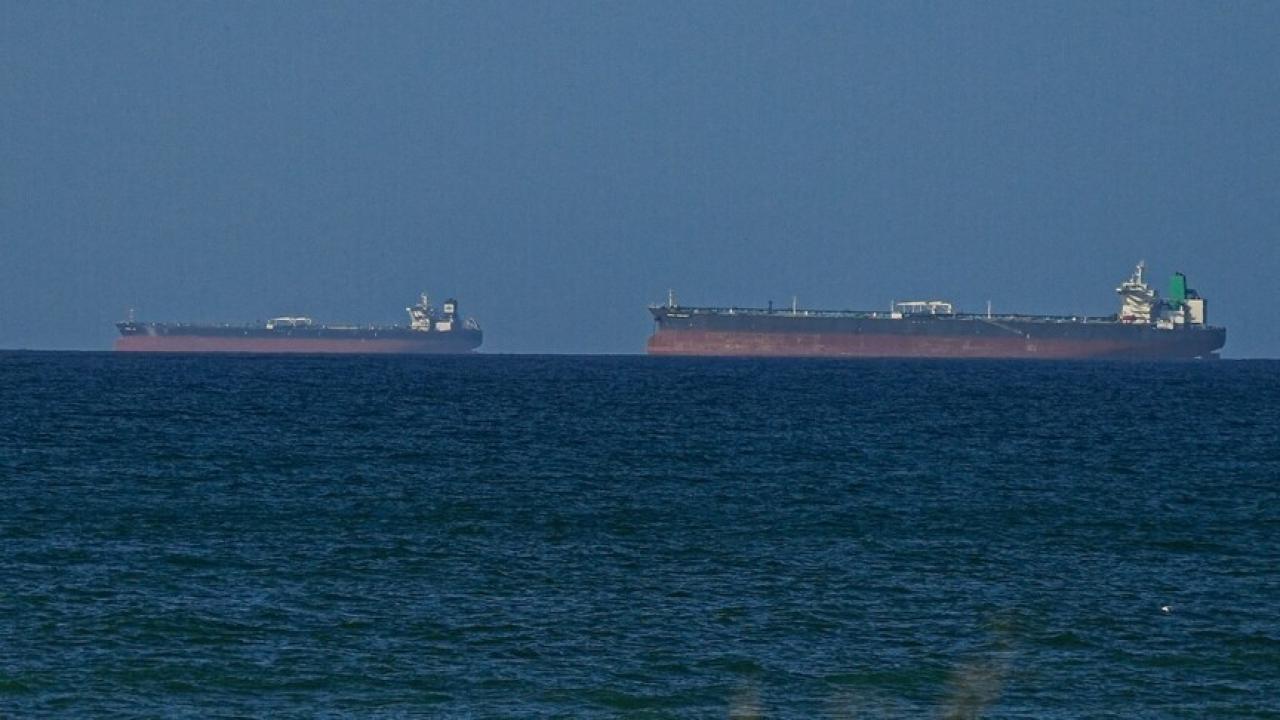
China has called for the establishment of free and safe passage through the Strait of Hormuz, where shipping traffic has largely been disrupted due to escalating conflicts in the Middle East caused by attacks from the United States and Israel, as well as retaliations from Iran.
According to a statement from the Chinese Ministry of Foreign Affairs, Foreign Minister Wang Yi spoke by phone overnight with his Iranian counterpart Abbas Araghchi.
During the conversation, Wang expressed that as a coastal state of the Strait of Hormuz, Iran's sovereignty, security, legitimate rights, and interests must be respected. He also emphasized the need to ensure freedom of navigation and security in the international strait, highlighting that this is a common call from the international community.
Wang underscored that China will continue to work towards improving the situation in the region and the relations among regional countries, and will play a constructive role in ultimately achieving lasting peace and stability in the Middle East.
Iranian Minister Araghchi welcomed China's constructive role in ending the conflict and promoting peace, stating that they will continue to seek a rational and realistic solution to the conflict through peaceful negotiations.
U.S. Blockade of the Strait of Hormuz
U.S. President Donald Trump announced via social media that they would initiate a process to blockade the Strait of Hormuz following the failure of negotiation efforts with Iran held in Pakistan.
Immediately after this announcement, the U.S. Central Command declared that it would commence a maritime blockade against all vessels entering or exiting Iranian ports starting from 5:00 PM Turkish time on April 13.
Trump had threatened that any Iranian vessels remaining would be 'neutralized' if they approached the U.S. Navy, which is blockading the Strait of Hormuz.
Shipping traffic in the Strait of Hormuz had been disrupted due to the war.
Due to the attacks from the U.S. and Israel on Iran and Iran's retaliations, shipping traffic in the Strait of Hormuz, a critical transit route for global goods and energy trade, has been largely interrupted.
The Strait of Hormuz, which transports the hydrocarbon resources of Saudi Arabia, the United Arab Emirates (UAE), Kuwait, Qatar, Iraq, and Iran to global markets, is the main route for approximately 25% of the world's oil trade, about 20% of liquefied natural gas trade, and around 30% of fertilizer trade.
Approximately 45% of the oil imported by China and 30% of its liquefied natural gas pass through the Persian Gulf and the Strait of Hormuz to reach the country.
Disruptions in tanker traffic in the strait have led to interruptions in global oil supply and increases in oil prices.
Source: SeaNews Türkiye


