Air cargo capacity growth is insufficient to meet strong demand from Asia Pacific tech and e-commerce exports, says DHL Global Forwarding.
Growing air cargo capacity is failing to ease pressure on the global freight market as strong demand from Asia Pacific technology and e-commerce exports continues to outpace available supply, DHL Global Forwarding said, reports London's Air Cargo News.
In its latest Air & Ocean Lens newsletter, DHL Global Forwarding stated that global air cargo capacity increased by 2 per cent year on year in May, with Asia Pacific accounting for most of the growth. However, airlines remain focused on long-haul, higher-yield routes while passenger bellyhold capacity fell by three per cent.
Air cargo demand rose by five per cent year on year in April and was up four per cent for the year to date. Asia accounts for about half of global airfreight volumes and has expanded by eight per cent over the same period, supported by shipments of semiconductors and artificial intelligence-related equipment.
Niki Frank, chief executive of DHL Global Forwarding Asia Pacific, stated that the region was shaping the speed and reach of global trade. Spot freight rates remained elevated at about US$3.67 per kilogram, up 48 per cent from a year earlier, reflecting sustained demand and higher operating costs.
DHL expects Asia Pacific demand to remain resilient, supported by e-commerce, technology exports, and supply chain diversification. Capacity growth is likely to stay measured as airlines continue to prioritize higher-yielding routes.
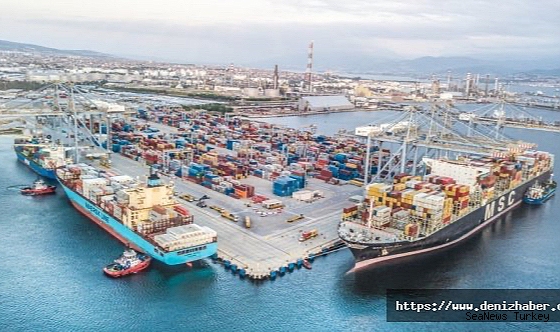
In ocean shipping, DHL noted that an early peak season was further tightening already constrained capacity. New bunker adjustment factors due from 1 July are expected to increase costs, prompting shippers to move cargo earlier and secure additional space to avoid shipment rollovers.
The company reported that congestion, vessel rerouting, and longer transit times were reducing effective shipping capacity by about 17 per cent despite growth in nominal fleet capacity. Mr. Frank mentioned that peak season demand was arriving earlier and with greater intensity, placing immediate pressure on both capacity and freight rates.
DHL indicated that any meaningful easing in freight rates was more likely to result from weaker demand than from a rapid increase in available capacity.