
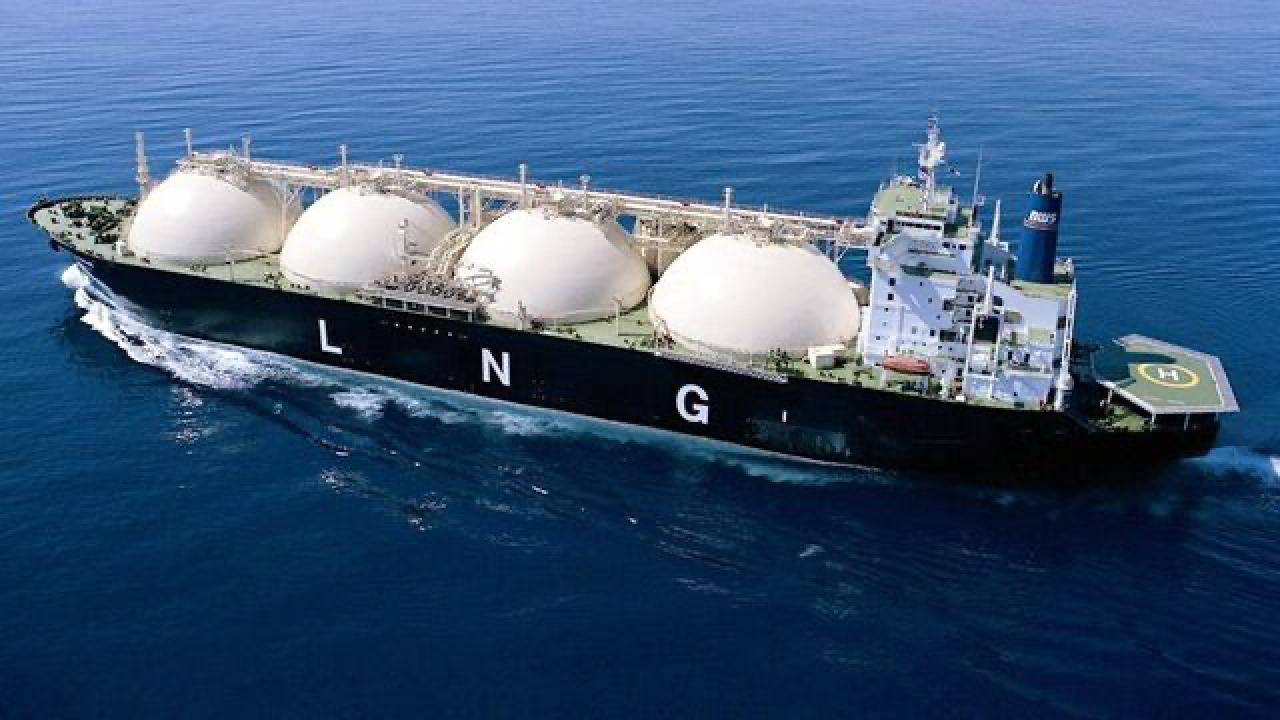
Bloomberg uncovers a shadow fleet transporting sanctioned Russian LNG to China using deceptive tracking methods, undermining U.S. sanctions.
Bloomberg's data reveals a covert 'shadow fleet' transporting sanctioned Russian natural gas via LNG tankers that have intentionally concealed or altered their registration and tracking information. These methods include disabling AIS (Automatic Identification System) devices and providing misleading location data.
The research indicates that at least 15 vessels linked to this fleet are transporting LNG targeted by U.S. sanctions to China. Most of these tankers are older and operate through complex ownership structures. Reports suggest that the volume transported by these vessels has exceeded one million tons to the port of Beihai in southern China.
Additionally, Bloomberg's analysis of vessel tracking data shows that ship-to-ship LNG transfers are occurring along routes extending from Myanmar to China. Some of the tankers involved in these transfers operate under names like 'CCH Gas,' which do not appear on official sanction lists. Location shifting and AIS manipulation are reported as key elements of these operations.
While the sanctions imposed by the U.S. and its allies since 2022 aim to restrict Moscow's oil and LNG revenues, Bloomberg's analysis indicates that practices exist that could undermine the effectiveness of these measures. The Chinese government maintains that it does not recognize international sanctions and continues its energy supply relations.
The Bloomberg report highlights the challenges in fully assessing the scale of these shadow fleet activities used by China and Russia to circumvent sanctions, noting that the system is evolving. Some analyses suggest that this network has expanded and is operating with an increasing number of tankers.


