APM Terminals enhances its African strategy with a Morocco concession expansion and a new deepwater terminal project in Nigeria.
APM Terminals, the port and terminal arm of the Maersk Group, has moved on two fronts in Africa, reinforcing its position across the continent's most strategically significant trade corridors. The company has signed a concession agreement with the Tanger Med Port Authority in Morocco to expand capacity and extend the TC1 container terminal concession, while simultaneously advancing the development of a new deepwater container terminal in Nigeria and maintaining dialogue with the Nigerian Ports Authority over the renewal of concessions at two existing facilities. Together, these moves signal APM Terminals' deliberate effort to consolidate its role as a central node in the Mediterranean-Africa transhipment network, anchoring influence at key junctions across North and West Africa.
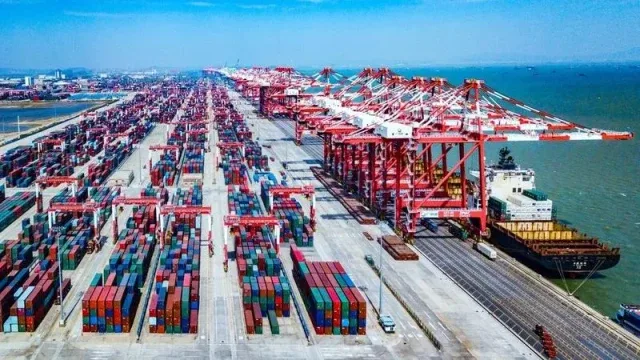
The newly signed concession agreement in Morocco encompasses the development, financing, and operation of the APM Terminals MedPort Tangier container terminal, alongside a capacity expansion and an extension of the TC1 container terminal concession. APM Terminals has confirmed that the agreements will secure the long-term development of MedPort Tangier, though specific investment figures and the precise duration of the new and extended concessions have not been disclosed.
The broader expansion programme at Tanger Med, as announced by the Moroccan Royal Court, carries an investment of approximately 8 billion Moroccan dirhams - equivalent to roughly USD 780 million - and will add 4.5 million TEUs of annual throughput capacity alongside 1,200 metres of new quay. Positioned at the southern entrance of the Strait of Gibraltar, Tanger Med occupies one of the most critical transhipment positions in Africa and the Mediterranean, connecting major shipping lanes between Europe, Asia, and Africa, and ranking among the continent's highest-volume container ports.
For APM Terminals, securing an extended and expanded footprint at Tanger Med strengthens its ability to exert node-level influence over Mediterranean-Africa cargo flows. The terminal operator gains continued access to the port's routing network and geographic advantages at a time when competition among Mediterranean transhipment hubs is intensifying. Quay capacity, landside efficiency, and the ability to accommodate mainline vessel calls are increasingly the decisive factors by which terminal operators attract carrier partnerships and capture regional cargo volumes - and Tanger Med's expansion positions APM Terminals favourably across all three dimensions.
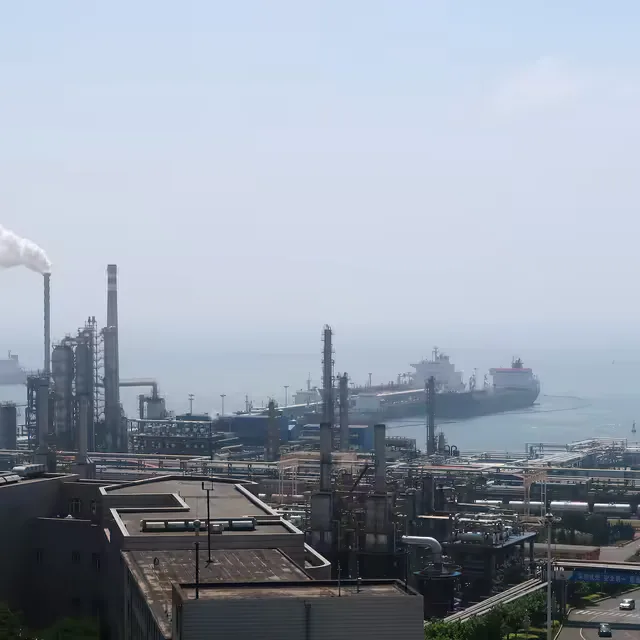
In Nigeria, APM Terminals is advancing plans for a new deepwater container terminal while engaging with the Nigerian Ports Authority on the extension of concessions at two existing terminals. The investments are expected to enhance the company's capacity to serve ultra-large container vessels and reinforce its position at a pivotal trade hub spanning North and West Africa.
West Africa has experienced a concurrent rise in trade volumes and persistent port congestion in recent years, elevating the strategic importance of deepwater berths and high-efficiency cargo-handling infrastructure to regional supply chain performance. Should the new deepwater terminal project proceed on its current trajectory, it stands to relieve existing capacity constraints at Nigerian ports and expand the routing options available to carriers deploying services across the region - strengthening both the reliability and the competitiveness of West African logistics corridors.
Viewed in broader context, APM Terminals' concurrent commitments in Morocco and Nigeria reflect the conviction among leading terminal operators that Africa's long-term trade growth trajectory justifies sustained capital deployment. Intra-African trade, transhipment volumes, and connectivity demand linking the continent to European and Asian markets continue to expand, and ports - as the critical nodes through which supply chains are routed - exert direct influence over regional logistics costs and delivery reliability.
For freight forwarders and shipping companies, continued investment by terminal operators at major hubs carries implications for port call selection, transhipment routing, and vessel scheduling. The precise commercial impact, however, will depend on the pace at which new capacity enters service, the terms of concession arrangements, and the operational performance of facilities once commissioned. The progression of the Tanger Med expansion, the regulatory and construction timeline of the Nigerian deepwater terminal project, and the outcome of ongoing concession renewal discussions with the Nigerian Ports Authority each warrant close monitoring as APM Terminals' Africa strategy continues to take shape.