
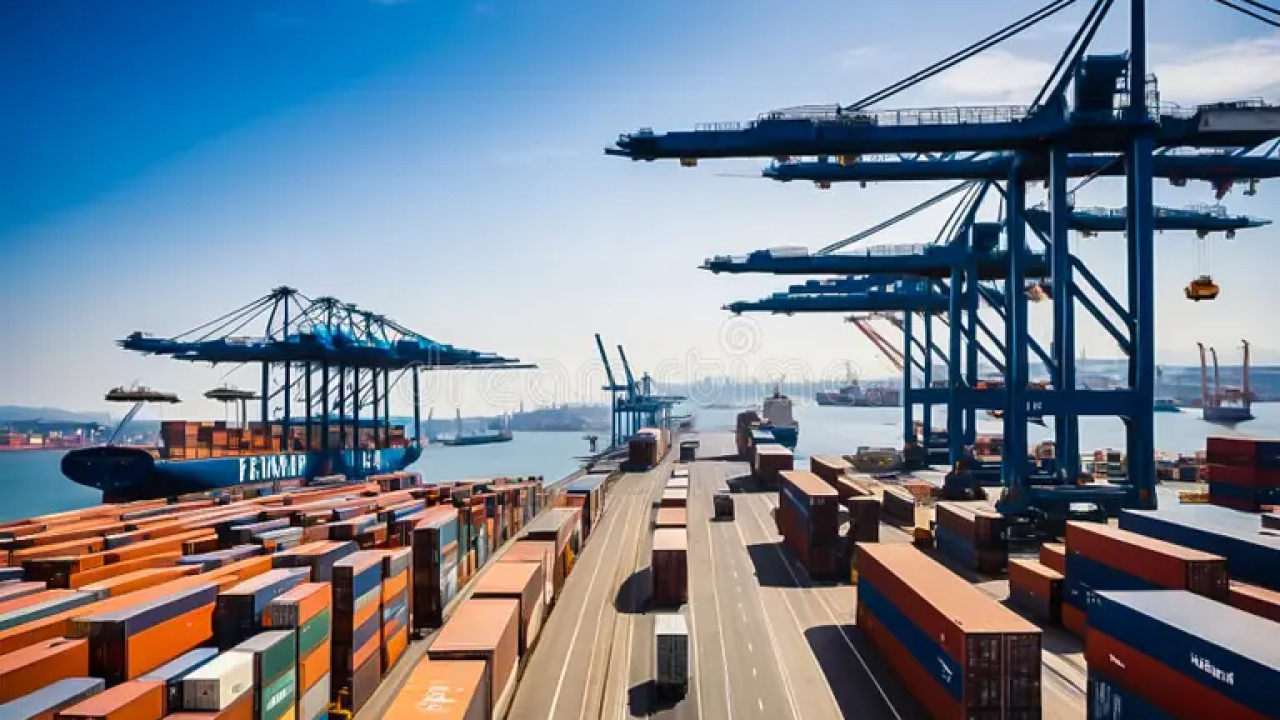
The EU's carbon quota in 2026 triggers a freight rate crisis, impacting shipping costs and trade dynamics across Europe.
Maritime transportation, the lifeblood of global trade, is being shaken by the 'green invoice' shock starting in 2026. The European Union's Emission Trading System (EU ETS), which has been gradually implemented since 2024, has reached 100% capacity as of this year. Now, every ship calling at European ports is required to pay for every gram of carbon it emits.
Carbon Surcharges on the Rise
Industry giants Maersk, Hapag-Lloyd, and MSC have significantly increased emission surcharges (ETS Surcharge) in notifications sent to their customers in the first quarter of 2026. According to analyses:
45% Increase: The transition from a 70% coverage in 2025 to 100% has increased the emission costs in freight items by an average of 45%.
Not Just CO2: Starting in 2026, the coverage will include not only carbon but also methane (CH4) and nitrous oxide (N2O) gases. This situation has created unexpected additional costs, especially for LNG-fueled vessels.
Freight Share: In the Asia-Europe route, the ETS cost per container has risen to between 6% and 12% of the total freight cost.
'Slow Steaming' and Oversupply Squeeze
The freight market is struggling to raise prices on one hand due to increasing emission costs, while on the other hand, it is facing a surplus created by a large number of new vessels being delivered in 2026. Companies are opting to reduce ship speeds (slow steaming) to minimize carbon taxes, which in turn extends supply times.
As of 2026, maritime transportation from Turkey to Europe is confronting a new cost reality with the full implementation of emission regulations. This situation is directly reflected in freight bills, especially on strategic routes such as Ambarlı (Istanbul) - Rotterdam.
'Emission Shock' on the Ambarlı - Rotterdam Route
On voyages from a non-EU port (Ambarlı) to an EU port (Rotterdam), 50% of emissions are taxed. By 2026, it will be mandatory to pay for carbon certificates for 100% of this 50% segment (i.e., the entirety of half of the total emissions).
Additional Charge Increase: Carriers such as Hapag-Lloyd and Maersk have increased their ETS surcharges by approximately 45% in the first quarter of 2026 compared to the previous year.
Cost per Container: On the Ambarlı - Rotterdam route, the emission surcharges per container, which were in the range of 40-60 Euros in 2025, climbed to levels of 85-120 Euros by February 2026.
New Gases: The inclusion of not only CO2 but also methane and nitrous oxide gases in the calculations has somewhat diminished the cost advantage of the new generation LNG vessels operating on this route.
Double Squeeze for Exporters: ETS and CBAM
In Turkey's exports to Europe, not only the increase in freight costs but also the Border Carbon Adjustment Mechanism (CBAM) coming into play at customs is increasing pressure:
Freight + Tax: A steel load departing from Ambarlı pays both the emission surcharge (ETS) for the ship and faces customs duties (CBAM) based on the carbon content of the product upon arrival in Rotterdam.
Competitive Risk: This situation challenges Turkey's logistical cost advantage in the European market.
Situation on Ro-Ro Routes
Ro-Ro routes from Turkey to Europe (such as Pendik-Trieste or DFDS routes) have been the most rapidly affected by this situation:
DFDS Data: According to data from February 2026, ETS fees on intra-EU and connected routes reached their highest levels, with carbon prices per ton hovering around 80-85 Euros.
Source: SeaNews Türkiye


