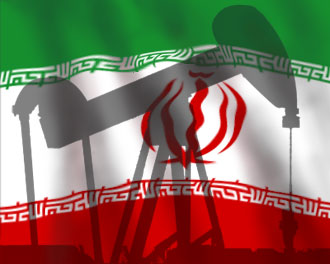
 Domestic demand for gasoline in Iran was driving growth in the energy
sector for the year. OPEC, in its latest report, said retail gasoline
consumption in Iran was up more than 20 percent for the first five
months of the year, though overall oil demand was relatively flat.
Domestic demand for gasoline in Iran was driving growth in the energy
sector for the year. OPEC, in its latest report, said retail gasoline
consumption in Iran was up more than 20 percent for the first five
months of the year, though overall oil demand was relatively flat.Inflation, meanwhile, was up from stable levels reported last year. Iran has struggled to find a reliable consumer base given international sanctions pressure and the recent levels suggest the Islamic republic is retreating somewhat from the international energy sector.
The Organization of Petroleum Economies, in its August report, said Iranian crude oil production in part led to a decline in overall output from the Vienna-based cartel. OPEC said crude oil production for its members, not including Iraq, was reported at 28.1 million barrels per day in July, a decline of 270,000 bpd compared with the previous month. The decline in OPEC oil production in part was led by Iran, which saw its export options curtailed by sanctions imposed by the U.S. and European governments. Tehran announced it still had a viable consumer base in China, however, which received about 12 percent of its oil needs from Iran. The Indian government, meanwhile, said it would circumvent EU sanctions by extending government-backed insurance to tankers carrying Iranian crude because of the “definite need” for oil.
Sanctions, however, have hurt the Iranian economy and its overall crude oil levels. Italian energy company Enersis S.A. (NYSE:ENI) reported that it’s been unable to get oil out of Iran for the second straight month, however, because of insurance and banking problems. OPEC reported that the Iranian central bank posted an inflation rate of 22.9 percent this year after ending last year relatively flat. Domestically, oil demand reported a growth rate for May of 7.9 percent, or around 100,000 barrels per day. OPEC suggested any growth from Iran’s oil demand was likely the result of gasoline consumption. The Iranian Oil Ministry, however, reported that domestic gasoline consumption was down 6.1 percent during the first two weeks of Ramadan, but has since recovered modestly by 1.8 percent. Gasoline consumption in Iran was up 22 percent during the first five months of the year compared with the same period last year, OPEC said.
Growth in Iranian gasoline demand could be a sign that the country’s energy sector is retracting in response to sanctions pressure. Any external inhibitors fro Iran were in contrast to neighbouring Iraq, whose crude oil production is at least partially handicapped by domestic political disputes. On Monday, Iraqi officials said oil output reached 3.2 million bpd, taking the No. 2 spot from Iran among OPEC members.
Iranian threats to close the Strait of Hormuz in early 2012 caused an increase in oil prices. While recent spikes in crude were in response to Persian Gulf tensions, long-term trends were attributed mostly to economic stimulus initiatives in the United States and European Union.