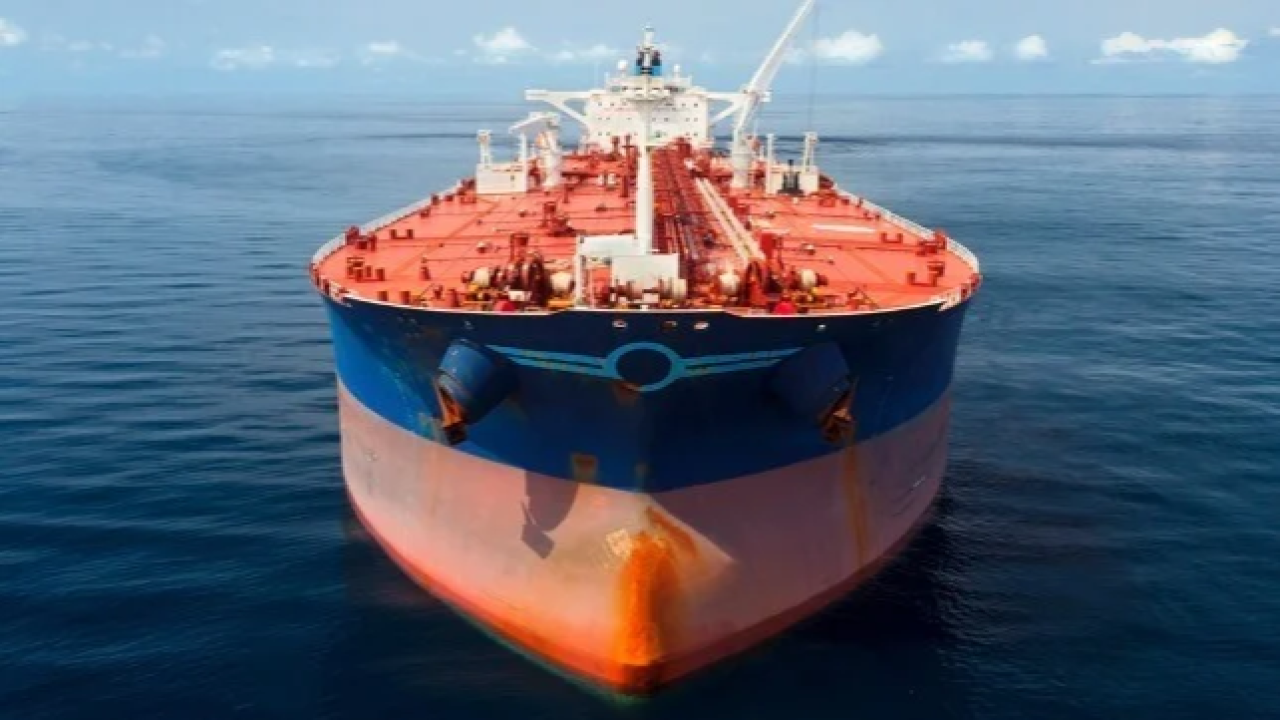

The recent tanker operation conducted by the United States off the coast of Venezuela is seen as a signal of a new and critical era at the intersection of international maritime law, sanctions, and the global financial system. The operation, which took place on December 10, was led by the U.S. Department of Justice.
The recent tanker operation conducted by the United States off the coast of Venezuela is interpreted as a signal of a new and critical phase at the intersection of international maritime law, sanctions, and the global financial system. This operation, which took place on December 10 and was led by the U.S. Department of Justice, stands out not only as a seizure of a vessel but also as a strong step against networks attempting to circumvent sanctions through maritime trade. Experts indicate that this development may increase pressure on Venezuela's oil-export-dependent economy while further deepening the country's reliance on alternative financial channels, particularly cryptocurrencies.
From a maritime industry perspective, Venezuela's situation highlights the challenges faced in combating "shadow fleets" and illegal oil trading in international waters. Due to years of economic collapse and hyperinflation, the traditional banking system in the country has become dysfunctional, leading to an increasing use of cryptocurrencies for laundering maritime trade revenues and conducting cross-border payments. According to a report by TRM Labs, stablecoins indexed to the U.S. Dollar (USDT), in particular, play a critical role in meeting the daily financial needs of ordinary citizens and in helping state-supported illegal networks to bypass sanctions. This dual structure creates a significant regulatory gap for international maritime law regimes by complicating the financial tracking of oil smuggling conducted via maritime routes.
Operationally, Venezuela's location and ports hold strategic importance not only for oil smuggling but also for drug trafficking and money laundering activities. The intertwining of maritime transport with these illegal activities increases compliance risks for shipowners, operators, and insurance companies. With the restriction of traditional banking channels, informal "P2P" (peer-to-peer) cryptocurrency markets and unregulated intermediaries used in financing maritime trade create an ecosystem far from transparency. This situation brings the risk of falling foul of international sanction regimes at every stage, from cargo manifests to payment methods.
From a legal perspective, the U.S. move may bring controversial topics such as the exercise of jurisdiction on the high seas and the status of state vessels back to the forefront. However, the main focus is on the transparency of the financial background of maritime trade. The Venezuela case presents a striking case study on how economic sanctions can push a country onto alternative and unregulated financial tracks, thereby financing illegal activities in the maritime sector. In the upcoming period, it is expected that actors in the maritime sector will need to tighten their "Know Your Customer" (KYC) and financial compliance processes, especially when trading with high-risk regions, or face the risk of being placed on sanction lists.