Washington imposes 10-12.5% tariffs on goods from 60 economies, citing forced labor concerns, straining Asia-Pacific economies already facing challenges.
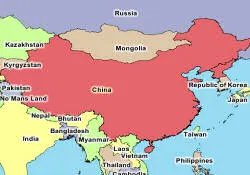
Washington has imposed tariffs of 10 to 12.5 per cent on goods from 60 economies, citing forced labor in supply chains, reports China Daily. Analysts warn that the measures will further strain Asia-Pacific economies already hit by high energy prices and a looming super El Niño.
The Office of the US Trade Representative announced the new duties under Section 301 of the Trade Act of 1974. This move coincided with the expiry of temporary 10 per cent worldwide tariffs.
Lavanya Venkateswaran of Oversea-Chinese Banking Corporation stated that the announcement shows President Donald Trump remains committed to tariffs. She described them as a key risk for regional policymakers.
Michael Ricafort of Rizal Commercial Banking Corp indicated that the tariffs could slow exports, trade, investment, and job creation. He warned of possible retaliatory measures from Asian governments.
Yeah Kim Leng of Sunway University noted that the tariffs add complexity for regional leaders. He pointed out that manufacturing hubs in Thailand and Vietnam face disadvantages under the higher 12.5 per cent bracket. He added that the measures may accelerate regional integration among Asian economies.
The tariffs revive duties first imposed in April 2025 but struck down by the US Supreme Court earlier this year. Several Asian governments voiced frustration, stating that the measures ignore past concessions.
Japan called the decision regrettable, with Chief Cabinet Secretary Minoru Kihara insisting that its trade practices follow international rules. Australian Trade Minister Don Farrell described the tariffs as unjustified. Philippine Trade Secretary Cristina Aldeguer-Roque stated that Manila will continue to stress its strong policy against forced labor.