
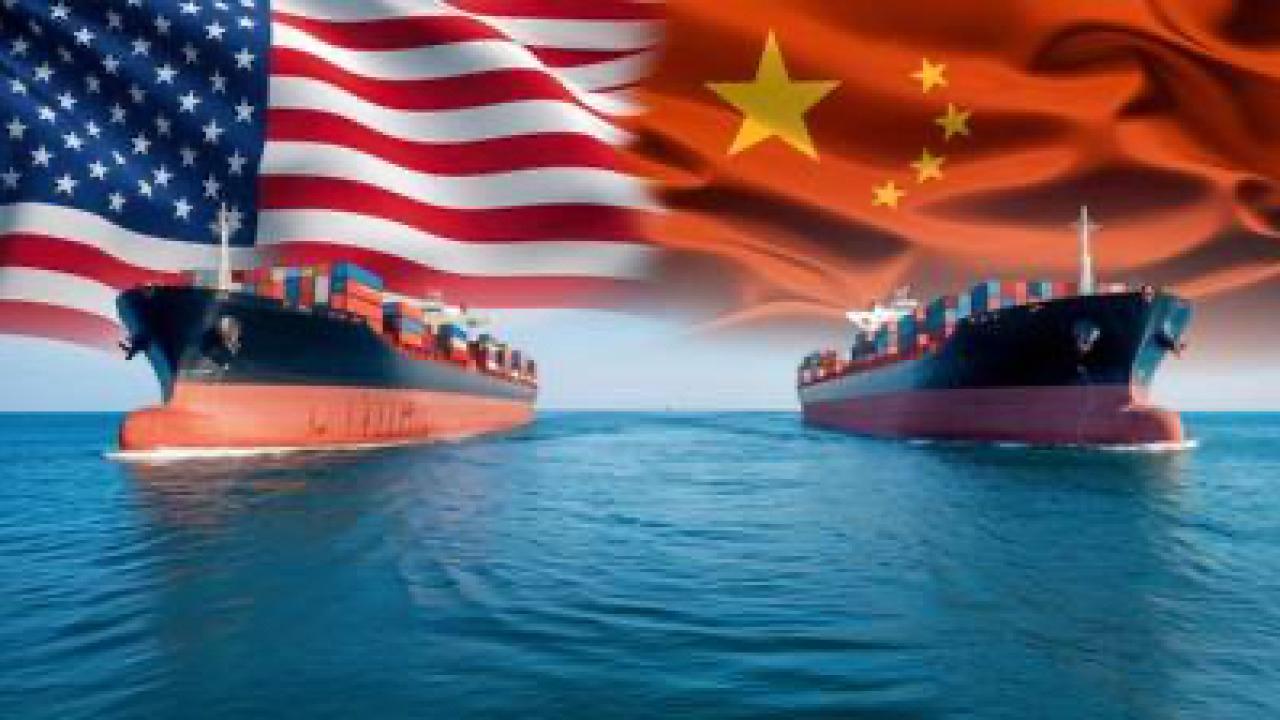
The U.S. Maritime Action Plan seeks to counter China's shipbuilding dominance by forming a strategic alliance with South Korea and Japan.
WASHINGTON / SEOUL – The 'America's Maritime Action Plan,' announced today through an official statement from the White House, has caused a reshuffling in global maritime trade. The United States is forming a massive alliance with South Korea and Japan against China's dominance in shipbuilding.
'Maritime Security Fund' is Coming
The most striking item in the plan is the introduction of an additional port fee (levy) for Chinese-made vessels docking at U.S. ports. It is stated that this fund will be used directly for the modernization of U.S. shipyards. The Trump administration is elevating the vision of 'American goods will be transported by American ships' to a higher level with this move.
Asian Alliance: Joint Shipyards with Korea and Japan
The most remarkable detail of the news is that the U.S. is negotiating with giants like Hyundai Heavy Industries (HD HHI) and Mitsubishi Heavy Industries to increase its shipbuilding capacity.
Model: The U.S. will shift the construction of certain logistics vessels to the shipyards of these 'friendly' countries to free up space in its own shipyards.
Technology Transfer: In return, joint R&D efforts will be conducted in autonomous ship technologies and nuclear propulsion systems.
What Will Be the Impact on Freight Markets?
Analysts warn that this protectionist move could increase freight rates in the medium term. If restrictions on Chinese-made vessels tighten, the routes of these ships, which constitute more than 50% of the global fleet, may change, leading to increased logistics costs.
What Do Industry Representatives Say?
BIMCO Spokesperson: 'Although this situation contradicts free trade principles, the national security argument has transformed maritime activities from a commercial sector into a defense sector.'
Turkish Shipowners: Experts predict that this situation could open new doors for Turkish shipyards in terms of 'sub-industry and parts supply,' but they also foresee that global trade wars could disrupt freight stability.
Source: SeaNews Türkiye


