The US seizure of the Skipper tanker has pressured Venezuela's oil exports, impacting tanker routes and revealing vulnerabilities in PDVSA's operations.
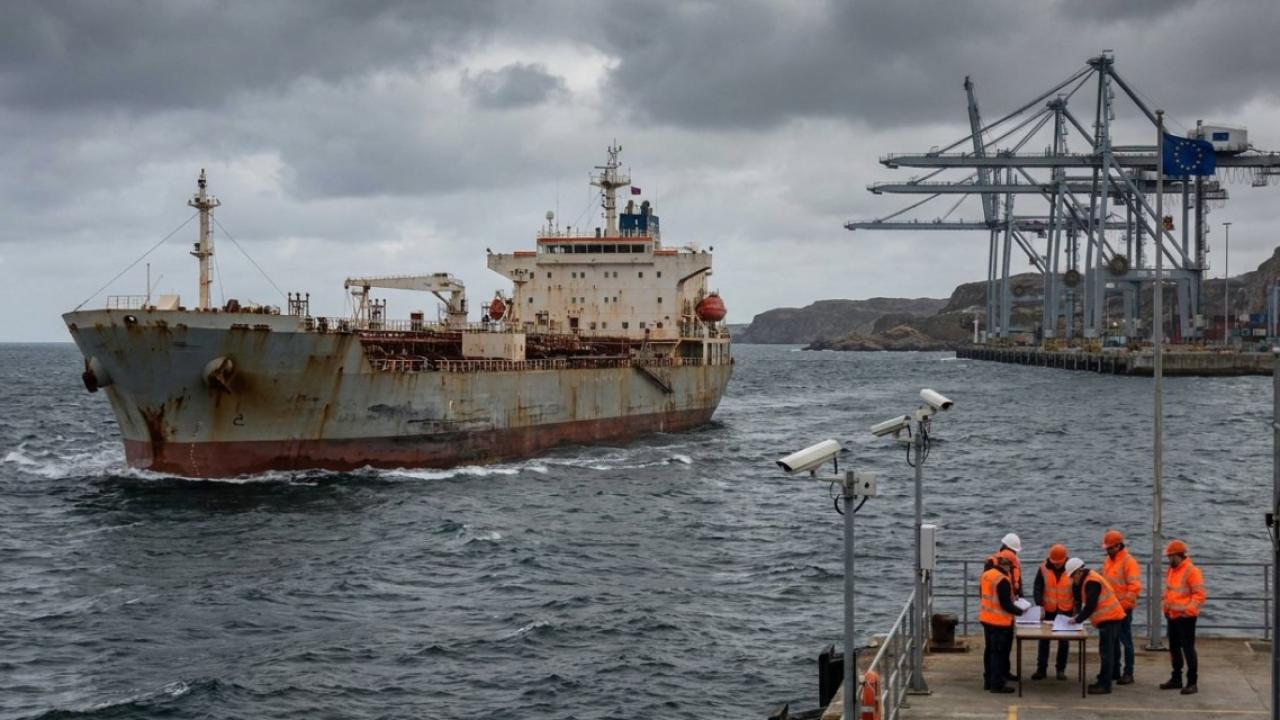
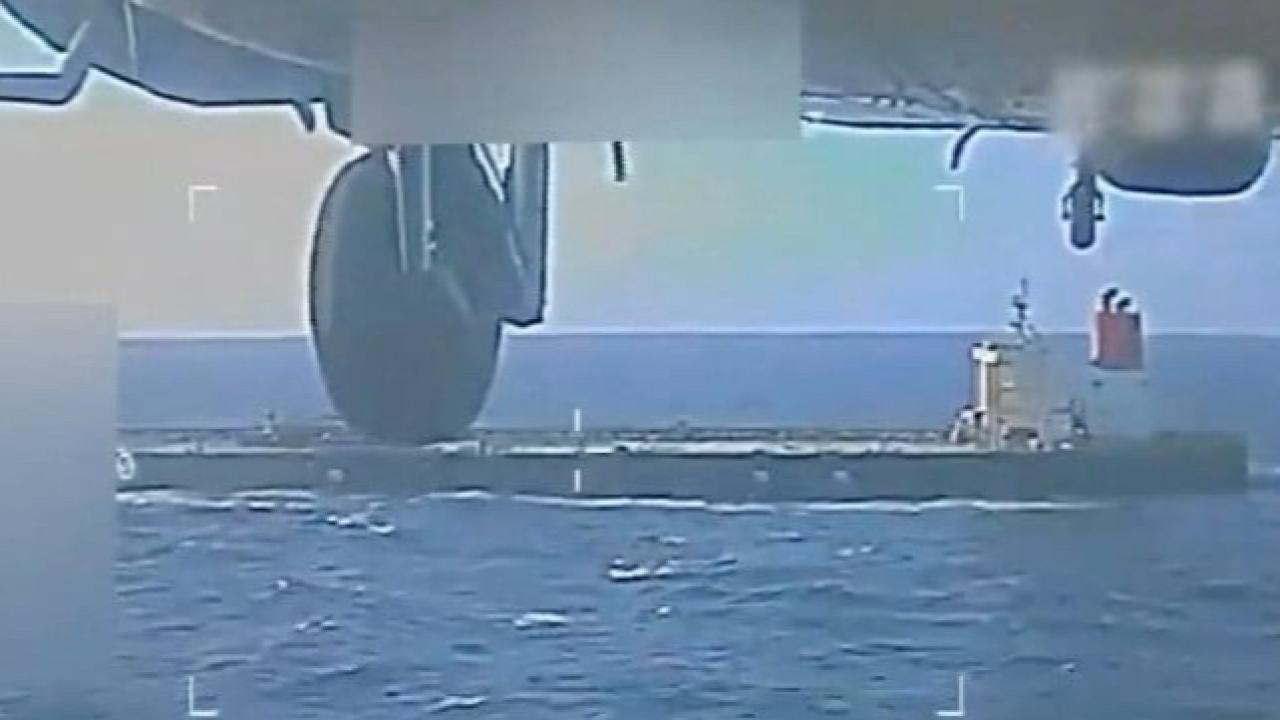
Following the United States' seizure of the VLCC-type supertanker "Skipper" off its coast last week, Venezuela's oil exports have come under significant pressure. In this operation, the U.S. enforced a court-issued arrest warrant, confiscating 1.85 million barrels of oil along with the 20-year-old supertanker. This action has generated millions of dollars in revenue for the U.S. Treasury. However, the more significant impact is seen as the potential deterrence of other tanker operators from engaging in trade with Venezuela.
According to TankerTrackers.com, four "legal" tankers en route to load crude oil in Venezuela have altered their routes and returned to their original direction. This development may not solely be due to the seizure of the Skipper; it is possible that Venezuela may not be ready to load the incoming tankers. On Monday, the state oil company PDVSA announced that its administrative computer systems had crashed due to a cyberattack, rendering all tracking software used for oil loading offline. A PDVSA official stated to Reuters, "[Cargo] delivery is nonexistent."
According to internal correspondence seen by Argus Media, PDVSA executives informed employees that the cyberattack targeted the Oriente Norte region and that the attackers had deleted data from the computer systems used in port and pipeline operations. The correspondence indicated that employees were instructed not to turn on their computers to prevent the spread of the infection.
It is also believed that import cargoes may have been affected, although evidence on this is more limited. According to Reuters, a tanker carrying Russian-origin naphtha, used as a diluent to make Venezuela's extra-heavy crude oil pumpable and transportable, may have canceled its planned discharge operation and left Venezuelan waters. The product tanker named Boltaris, falsely registered under the flag of Benin and stateless, anchored off Maracaibo on December 8; it set sail again on December 10, the day the Skipper was seized, and began its return journey. AIS data provided by Pole Star Global indicates that the vessel may have departed without discharging.
It is noted that AIS data can be manipulated, and the verification of tanker movements can only be definitively achieved through imaging. It is also recalled that Boltaris's visit to Venezuela in January 2025 resulted in a "return" without any docking or clear port visit observed via AIS.
Meanwhile, Venezuela has accused Trinidad and Tobago of supporting the seizure of the Skipper tanker. With the U.S. military increasing its presence in the Caribbean, the island nation has drawn the ire of the Caracas government by allowing U.S. forces to set up ship-tracking radars on its shores and use airports for logistical purposes. The Venezuelan government, led by Nicolas Maduro, announced that it has immediately suspended joint agreements reached with the Trinidad government regarding offshore natural gas development as retaliation.