
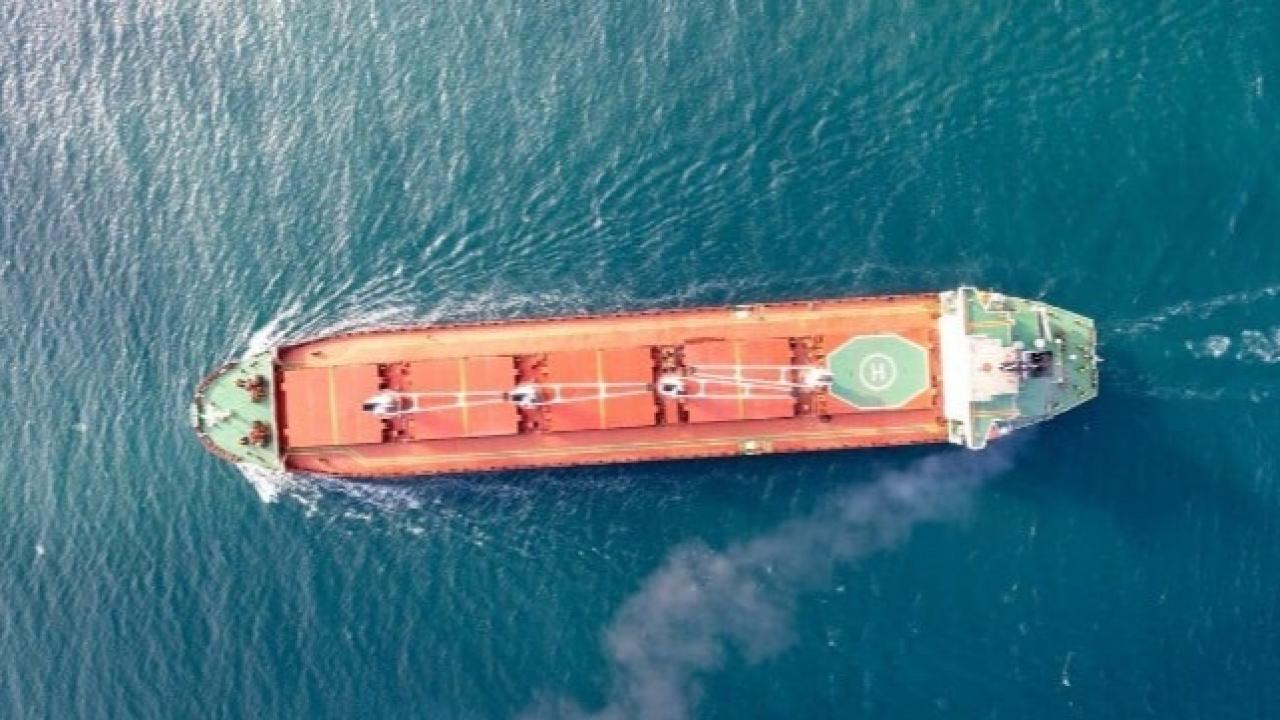
AI advancements are reshaping maritime operations, emphasizing efficiency and digital integration for future competitiveness.
The transformation of artificial intelligence in maritime is accelerating, with efficiency becoming the new axis of competition.
Rapid advancements in artificial intelligence and the proliferation of digital tools supporting operational efficiency have led to significant progress in the digitalization of the maritime sector this year. However, this transformation is not limited to the adoption of new software; it represents a deeper structural change observed across the service economy.
AI-based large-scale service companies are rapidly emerging in various sectors, including accounting, real estate management, transportation, law, IT services, and asset management. Venture and private equity funds are consolidating numerous fragmented service providers under unified AI operating systems. These resulting platforms have already surpassed traditional companies in terms of cost, speed, consistency, and profitability.
The maritime sector is not immune to this global transformation. Its fragmented structure, labor-intensive operations, heavy compliance burdens, and variations in processes make it conducive to AI-based consolidation. While traditional mergers and acquisitions continue, the main competitive pressure will likely come from companies that adopt data standardization and AI automation early and decisively.
Experts convey a clear message: as the sector transforms, maritime companies must collaborate to avoid the risk of being left behind by more efficient, AI-supported platforms, and must shift towards digital and automation-focused structures.
The International Maritime Organization's (IMO) decision to postpone the Net Zero Framework has redirected attention in the sector back to fundamental operational priorities. While sustainability remains important, safe operations, quality training, and digital tools that genuinely support seafarers are now at the forefront. The next five years are expected to focus on AI-supported efficiency gains and full integration between ship and shore, reducing the time allocated to administrative tasks and allowing human resources to concentrate on decisions that directly impact safety and costs.
It is emphasized that AI will not replace the crew but will support them by reducing administrative burdens. Over the past year, confidence has increased regarding the tangible and measurable return on investment provided by digital solutions, thanks to evolving connectivity infrastructure, new standards, and frameworks such as SIRE 2.0 and RightShip. When technology aligns with real operational workflows, the sector has shown rapid adoption.
The primary goal for 2026 is to seamlessly integrate companies lagging in digitalization into the system with turnkey installations, offline-capable systems, and solutions that provide full visibility to both ship and shore teams.
Regulations will continue to raise minimum standards, but the key factor that will truly accelerate transformation is leadership. Sharing best practices, making success stories visible, and demonstrating the concrete contributions of digitalization to daily operations are essential elements that will trigger change across the sector.
Experts emphasize that as we approach 2026, digital transformation will shift focus from merely digitizing documents to automating business processes. AI will play a role in reducing surprises and enhancing planning horizons by increasing visibility regarding maintenance planning, risk analysis, continuous readiness, and human factors.
Assessments highlight that the maritime sector is at a turning point, where companies adopting interoperable and AI-supported business models will stand out, while those remaining tied to manual and inconsistent processes will lose their competitive edge. The options before the sector are clear: transition to data-driven and integrated platforms or merge with structures that have successfully undergone this transformation. It is anticipated that 2026 will distinctly reveal this divergence.


