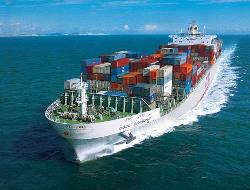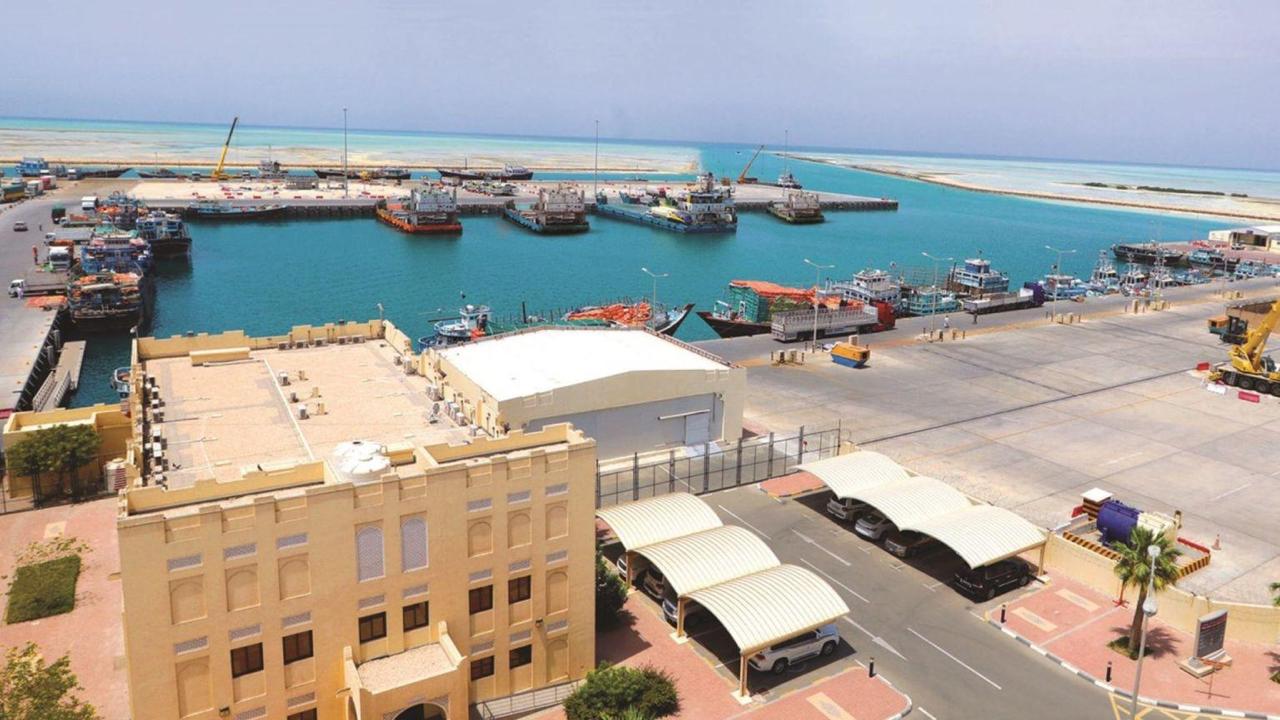

Tanker traffic through the Strait of Hormuz is recovering as oil and LNG vessels resume transits following a brief closure by Iran over the weekend.
Oil and LNG tankers resumed transits through the Strait of Hormuz on Monday, signaling that traffic is slowly picking up after Iran briefly reimposed a closure over the weekend, reports Reuters.
Four Qatari LNG carriers entered the Gulf, while two supertankers carrying up to 4 million barrels of crude also crossed into the Gulf, with one bound for Basra. Additionally, two smaller crude tankers sailed out into the Gulf of Oman, according to ship tracking data.
Ship broker Clarksons noted that daily transits remain below the 125 crossings seen before hostilities began, but the trend is positive. The US Navy-led Joint Maritime Information Center observed that vessels continue to route south via Omani waters and north via Iranian-controlled routes.
On Sunday, five vessels passed through the strait, down from 26 the previous day. This included three Very Large Crude Carriers (VLCCs) carrying Saudi oil, with one heading to Japan. Since last Monday, more than 25 million barrels of Iranian oil have moved through the strait, according to Iran's National Oil Company.
Three sanctioned VLCCs carrying Iranian oil, which loaded at Kharg Island, were seen exiting on Monday. Gulf producers Abu Dhabi National Oil Co and Kuwait Petroleum Corp have issued tenders with options to load either inside or outside Hormuz.
South Korea confirmed that two of its vessels passed last week under the interim peace deal, while Japan's shipowners' association reported that the number of Japanese-related vessels in the Gulf fell to 37 from 45.
ADNOC-controlled LNG tankers Al Hamra and Mubaraz delivered cargoes to India, each completing two 'dark' voyages since the war began. ADNOC declined to comment on vessel movements.