Outbound traffic through the Strait of Hormuz is recovering, though overall volumes remain significantly below pre-war levels, reports Maritime Executive.
Transit volumes through the Strait of Hormuz remain far below pre-war levels, but outbound traffic is showing signs of recovery, reports Fort Lauderdale's Maritime Executive.
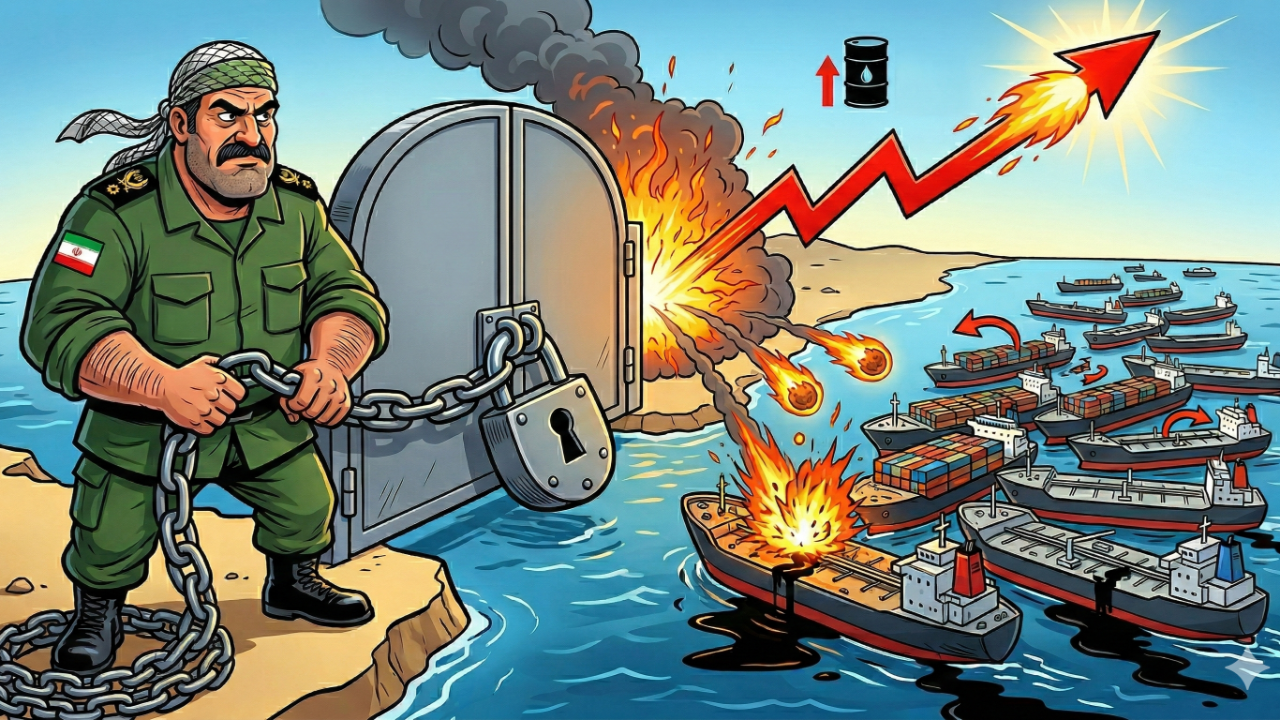
Maritime consultancy Windward counted 11 ships passing through the strait on April 5, while Iran's Fars News Agency put the figure at 15. Analysts noted that most permits granted by the Islamic Revolutionary Guard Corps, which controls traffic, are for outbound vessels leaving the Arabian Gulf. Much of the tanker traffic consists of Iran's own energy exports.
A new Omani corridor is emerging, with two to four vessels using the southern route daily since April 2. Iran and Oman have held staff talks on monitoring protocols for smoother passage, according to officials. Analysts caution, however, that traffic remains a fraction of normal levels and is dominated by outbound ships.
Iranian control of the strait is viewed as a strategic disadvantage for Gulf states reliant on the waterway. UAE diplomat Anwar Gargash told Reuters that the strait 'cannot be held hostage by any country' and emphasized that freedom of navigation must be part of any settlement between Iran and the US. The White House has set a deadline for Iran to reopen the strait, which expires Tuesday evening.
Tehran continues to assert its authority, allowing Iraq unhindered use while ordering two Qatari LNG carriers to turn back. Analysts predict that Iran will retain control even if conflict escalates. Meanwhile, oil prices have surged, with WTI Midland trading at premiums of US$30-40 over dated Brent for July delivery into Asia.
Diesel prices have spiked as Gulf barrels exit the Asian refining mix. In Singapore, diesel is selling at about US$13 per gallon, while in California, retail prices have exceeded $7.50 per gallon statewide and breached $8 in San Francisco, setting a national record.